How UAE investment changed Manchester’s face — and what Andy Burnham’s city works reveal
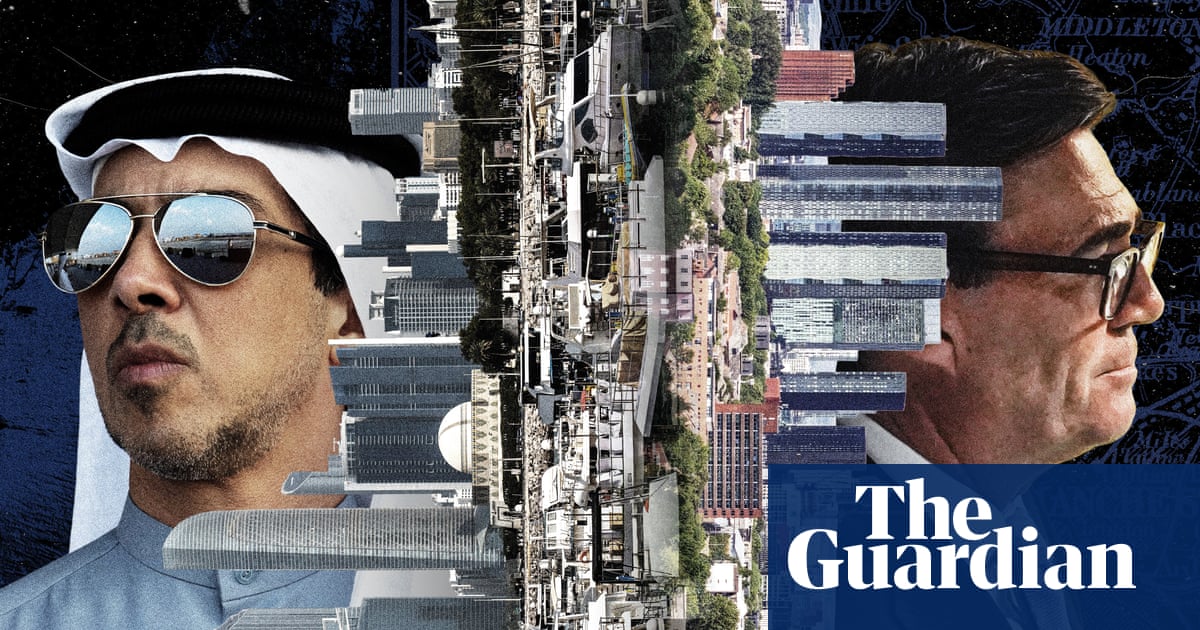
Politics behind the investment
The UAE’s expanding presence in Manchester has roots in political tensions following Egypt’s 2011 revolution. After Hosni Mubarak was toppled, Mohamed Morsi became president; the UAE’s rulers opposed the Muslim Brotherhood leader’s Islamism.
The article says a secret Whitehall unit was created to keep the emirates on side, with investment deals offered in private meetings. In 2013, David Cameron’s government asked Manchester city council to prepare three proposals for UAE investment.
Canal-side redevelopment
Richard Leese, then leader of Manchester city council, said the government had brokered a deal seeking a major investment in a scheme worth £1bn in total. He described the partnership as a regeneration model and a route to more than 6,000 homes.
Of 4,878 properties in the development, 8% were social or affordable housing, despite the council’s policy that at least 20% of new developments should meet that standard. Manchester Life provided none of those homes. The Rochdale canal area has since drawn visitors to bars and restaurants, including venues with £6.90 pints and a bakery selling croissants for £7.50.
Growth beside deep deprivation
Parking has also become contentious, with reports of cars being vandalised on council estate streets by people visiting or living in Abu Dhabi-funded properties. Donation boxes in the luxury blocks invite tenants to leave food for local food banks.
Good said Manchester was becoming a “northern version of London,” pointing to stark differences between central development and nearby deprived areas. The city’s housing pressures include 20,000 people on the social housing register.
Burnham and the £55m loan
In summer 2016, Burnham told the Salford Star that, if elected, he would stop large property firms receiving multimillion-pound loans funded by taxpayers through the mayoral authority. Less than a year later, he approved a £55m loan to Jersey-registered property companies owned by Sheikh Mansour.
Mansour is described as a member of one of the world’s wealthiest families, with a reported fortune of about £300bn. The article links Manchester’s growing Abu Dhabi influence to wider questions about regeneration, housing and the city’s future.
Key points
- UAE government and Emirati developers held land and property equivalent to 260 football pitches at the 2023 peak.
- Only 8% of 4,878 homes in the development were social or affordable housing.
- Four food banks or distribution sites sit within half a mile of the Etihad Stadium.
- Burnham approved a £55m loan to Jersey-registered firms owned by Sheikh Mansour.