After Two Years of Protests, Serbian Leader Aleksandar Concedes Defeat in Fiercely Contested Parliamentary Election
Record turnout marks a shift
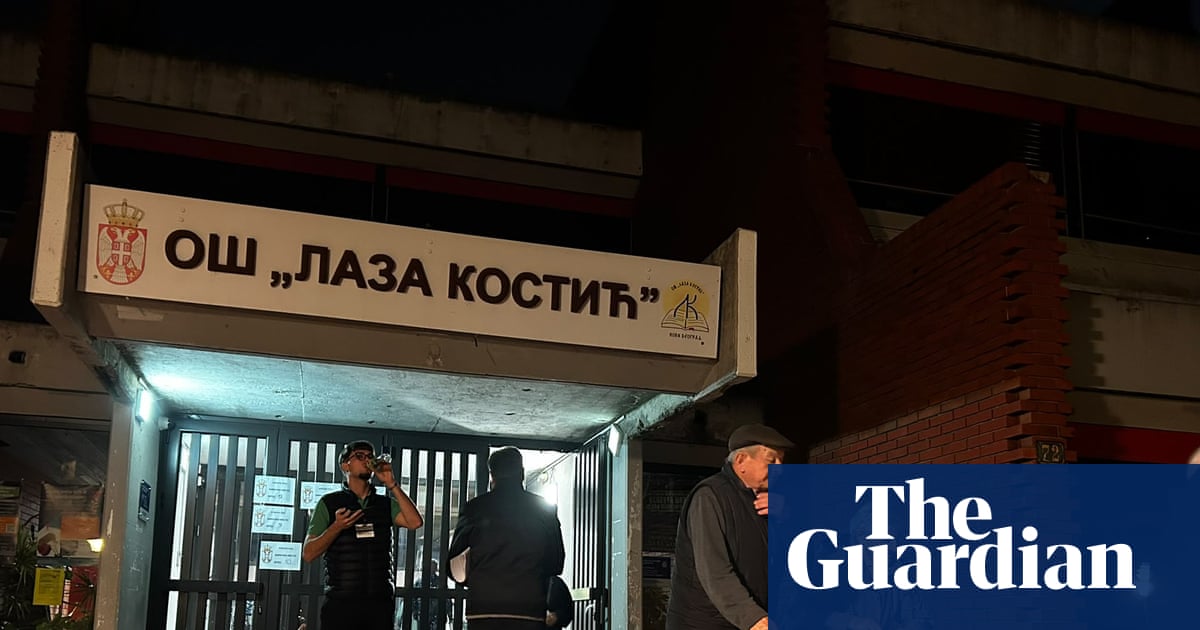
Long queues formed outside polling stations across Serbia on Sunday, with waits reaching two hours in some places. CeSID and Ipsos reported that turnout stood at 67.6% by 7pm local time.
That was the highest turnout since the breakup of Yugoslavia in 1992. Vučić’s concession followed a vote that analysts had described as highly uncertain, with opinion polls varying widely.
Students challenged ruling party
The student movement faced Vučić’s Serbian Progressive party, known as the SNS, after protests that had continued for two years. The ruling party had control of almost all broadcast channels and access to ministries and other state institutions, the article says. Student candidates campaigned in rural areas considered SNS strongholds and went door-to-door to attract voters. They presented themselves as anti-establishment candidates and used the slogan “Serbia or Mafia?”
Election draws wider attention
The election was one of 10 pivotal votes taking place around the world over 10 days, with authoritarian right-wing forces facing pro-democracy groups. The student movement’s victory is expected to resonate across Europe, where youth and student protests have affected cities.
Independent monitoring groups reported cases involving photographed ballots, suspected pressure on voters, attempted vote-buying and carousel voting. Before the election, Vučić resigned as president and called a snap vote as pressure from students mounted.
Key points
- Vučić conceded defeat to Serbia’s student movement after the parliamentary election.
- Turnout reached 67.6% by 7pm, the highest since Yugoslavia’s breakup in 1992.
- Student candidates campaigned against the ruling SNS party and its influence over broadcast channels and state institutions.
- Monitoring groups reported ballot photography, suspected voter pressure, attempted vote-buying and carousel voting.