Clayface Director Officially Confirms the Tragic Meaning Behind the DCU Horror Movie Ending
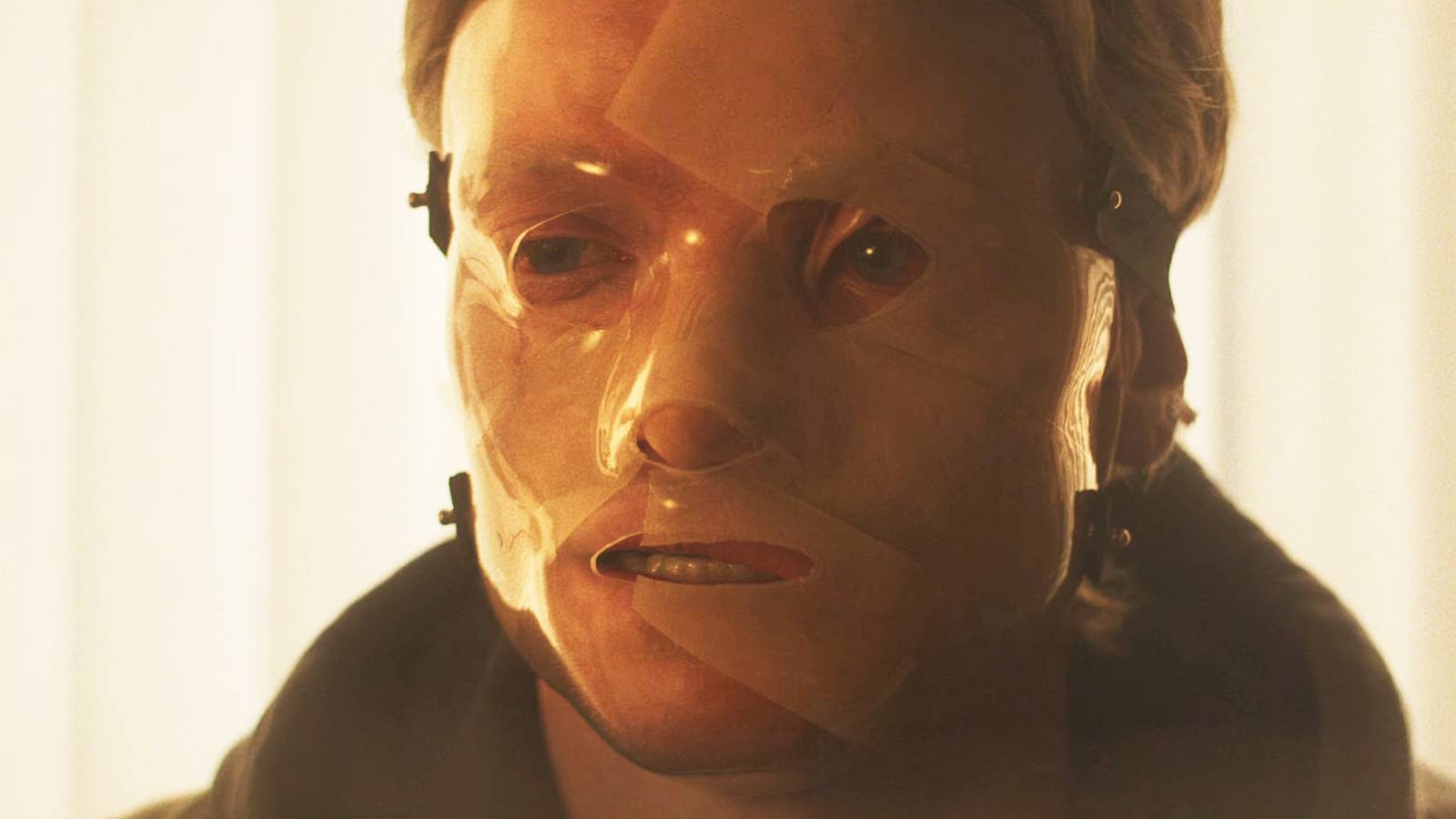
A man inside the monster
After Hollywood star Matt Hagen undergoes facial reconstruction surgery, his body begins to break down. By the end, his rage and desire for revenge have transformed him into Clayface.
Watkins said the filmmakers considered roughly 13 or 14 designs for Clayface, aiming to respect earlier comic and animated versions while making the character feel grounded on screen. He wanted viewers to see a person still trapped within the monster.
For Watkins, that human presence carries the story’s heartbreak. He said the tragic journey in Mike Flanagan’s first script was something he wanted to preserve.
Revenge crosses a line
The film initially invites viewers to side with Hagen as he retaliates against people he believes ruined his life. Watkins compared the appeal of that revenge to films such as John Wick and The Equalizer, which offer audiences a vicarious outlet for real-life frustrations.
But Watkins said the story eventually pushes viewers to question their support. He described that shift as a morally complex moment, when Hagen’s actions make the audience reconsider what they have been cheering for.
Watkins said Hagen is driven by love, even as primal urges take over. The film’s central question, he explained, is when a hero becomes an antihero.
Designing the final reveal
Watkins discussed the final reveal and the film’s closing shot in an interview with Collider’s Steve Weintraub. He said the ending shows Clayface while keeping sight of the human being within him.
Jim Lee visited the set, and Watkins and designer James Price’s team reviewed versions from comics and animated series. Their goal was to balance what fans already knew with a look that felt believable in the movie.
Key points
- Matt Hagen becomes Clayface after surgery and a descent into rage and vengeance.
- James Watkins wanted the final design to show a human being inside the monster.
- The movie shifts viewers from supporting Hagen’s revenge to questioning how far he has gone.
- Watkins says the story’s tragedy and moral tension are central to the ending.