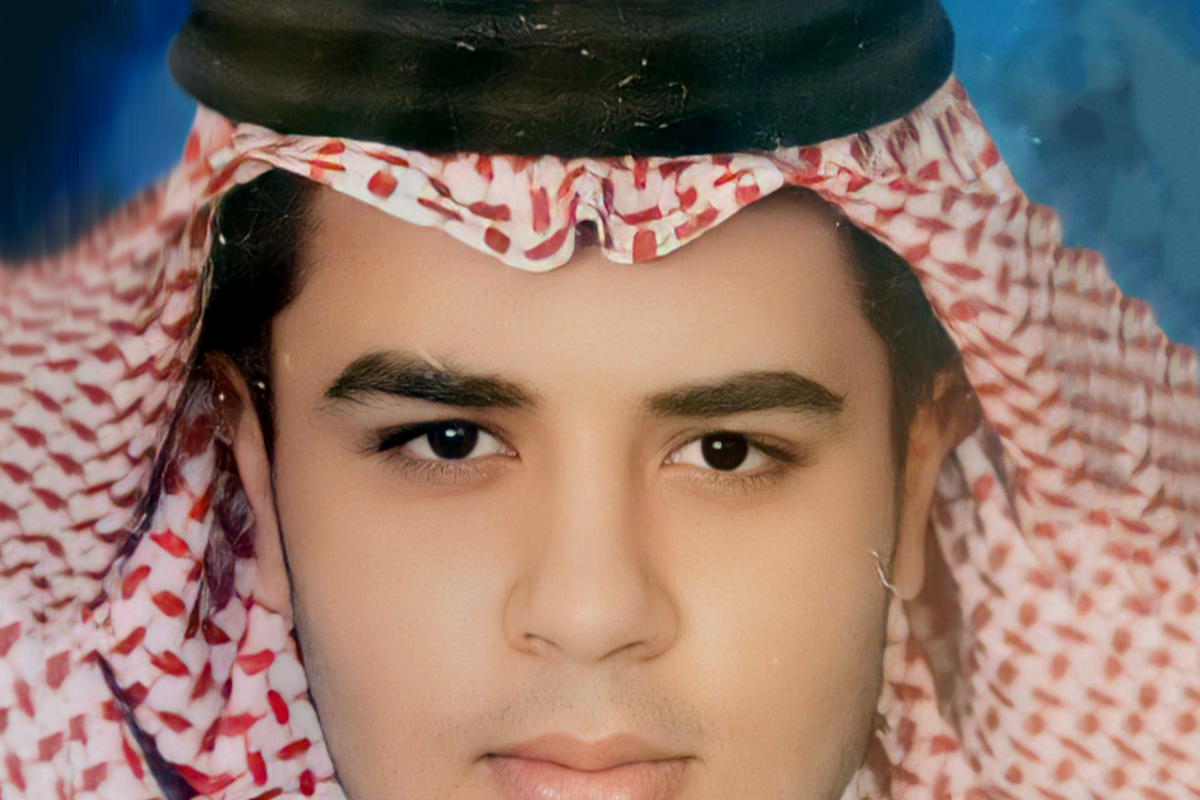
Despite 2020 ban, Saudi Arabia executes Hassan al-Faraj for crime committed at 14
Claims of torture and unfair trial
MENA Rights Group said Faraj endured severe torture in custody, prolonged solitary confinement and isolation from the outside world. The article also reports that evidence against him was alleged to have been tainted by torture.
Jeed Basyouni, who leads Reprieve’s death penalty projects, said Saudi Arabia had abandoned its claim to have ended capital punishment for childhood crimes. She called on the British government to intervene over al-Manasif’s case.
Al-Manasif faces execution
Basyouni said al-Manasif and his family were living in fear of an execution. She said he was at home during protests in Qatif and was arrested years later.
Executions reach a new high
Saudi Arabia carried out 347 executions in 2025, according to the European Saudi Organisation for Human Rights. That exceeded the previous record of 345 in 2024. Amnesty International reported in June that nearly 100 people had already been executed that year.
The article says Saudi Arabia uses beheading for most executions and is the only country still using the method. The death penalty has been imposed for offences including murder, adultery, sorcery and blasphemy.
Basyouni cited a 2021 decision to commute the death sentences of three men convicted of crimes allegedly committed as minors; they were resentenced to 10 years in prison. Rights groups said at the time the move may have been intended to protect defence contracts and security cooperation worth billions of pounds.
Key points
- Faraj was executed for crimes he was accused of committing at age 14.
- Four other men convicted in the same case were executed alongside him.
- Yousef al-Manasif faces execution over alleged protest activity when he was 15.
- Saudi Arabia recorded 347 executions in 2025, according to ESOHR.