Yemeni City Besieged by Houthi Rebels Sees Drinking Water Supplies Dwindle for More Than 1 Million
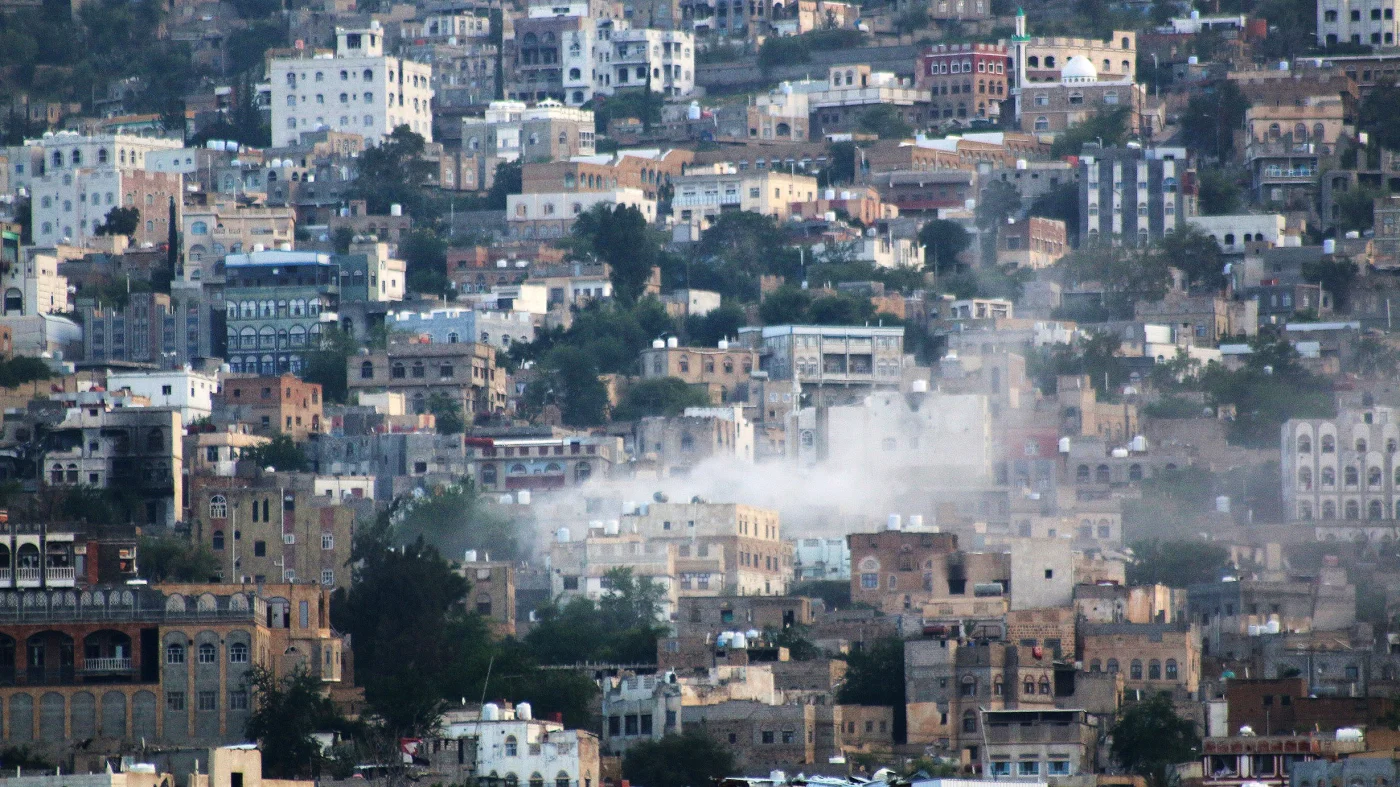
Families ration every drop
Hadil al-Shahid and her two young children once used about 10 liters of bottled water each day for drinking and cooking. They now make that amount last roughly four days.
Al-Shahid said the family has stopped drinking coffee and tea, which they had enjoyed daily. Some households are paying as much as 75% more for bottled water than a few weeks ago, and some are buying it on credit.
Access and supplies tighten
Residents have lost access to nearby wells as Houthi forces took control of more surrounding land and roads. Water trucks are largely prevented from entering Taiz, and some drivers who still make the trip have tripled their rates.
Fuel shortages are also limiting the city’s water utility and leaving desalination plants well below capacity. War damage to aging infrastructure, population growth and repeated droughts had already reduced groundwater supplies.
Shortages compound risks
The siege has also driven up grocery prices and restricted fuel needed for hospitals and sanitation. The price of cooking gas has more than quadrupled, according to CARE expert Hani Bafaqih, and some families are cooking with wood, charcoal or cardboard.
Displacement adds pressure
Since August, Taiz province has taken in an estimated 124,000 people displaced from other parts of Yemen, about half of those displaced by the fighting, according to UN migration experts. Their needs are adding to pressure on limited water and other necessities.
Amnesty International has urged the Houthis to open roads into Taiz, warning that the city is nearing a severe humanitarian disaster. Yemen’s civil war began in 2014, and Taiz has remained a focus of fighting.
Key points
- More than 1 million Taiz residents face worsening water shortages as the city is besieged.
- Families are stretching bottled water and paying sharply higher prices.
- Fuel shortages are disrupting water treatment, hospitals, sanitation and community kitchens.
- An estimated 124,000 displaced people have arrived in Taiz province since August.