With divided Israel preparing for polls, can Netanyahu pull off his greatest political trick yet?
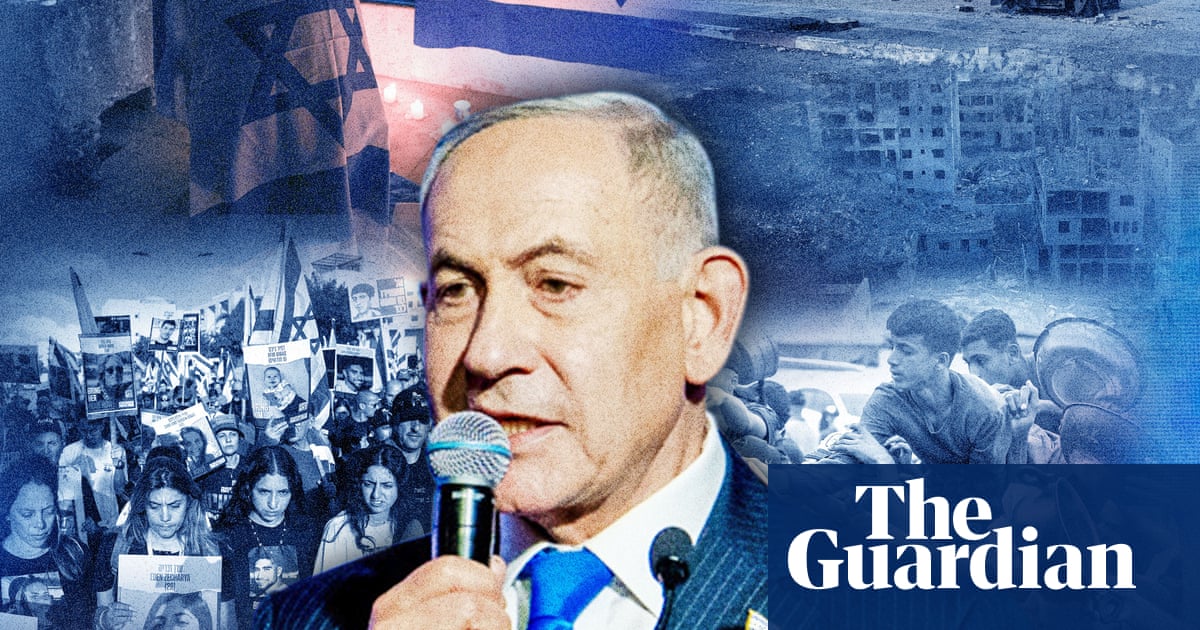
Netanyahu shapes the contest
Benjamin Netanyahu has held the premiership on and off for 19 of the past 30 years, and his influence looms over the campaign. At a rally in Modi’in, speakers praised Gadi Eisenkot, the former army chief of staff and leading opposition challenger, by stressing qualities they said set him apart from Netanyahu.
Eisenkot entered politics four years ago. His party, Yashar, means “straight” or “direct,” and his calls for a country without lies, responsible leadership and term limits all carry an implicit contrast with the prime minister. A retired colonel who served under Eisenkot told a reporter that “integrity” meant Eisenkot says what he means and will act on it.
Opposition spans rival camps
The election’s main divide is not simply left against right, but supporters of Netanyahu against those seeking to replace him. The anti-Netanyahu camp includes former prime minister Naftali Bennett and Avigdor Lieberman, both figures from the nationalist right who once worked closely with Netanyahu before breaking with him.
Netanyahu’s political reach also extends to the right of his own party. Yishai Fleisher, of Itamar Ben-Gvir’s Otzma Yehudit party, argued that Netanyahu needs to be pulled further right, while advocating settlements in the West Bank and Gaza, tougher measures against Palestinians and more guns for Jewish Israeli civilians.
Campaign focuses on Arab parties
Netanyahu’s campaign has presented voters with a rhyming choice between Yamin, meaning the right, and Falastin, meaning Palestine. His posters show his face and the Israeli flag on one side, and opposition leaders alongside Arab-party leaders on the other.
The closing campaign period has focused on whether Jewish Israeli parties opposed to Netanyahu might reach a parliamentary arrangement with mainly Arab parties. Those parties have historically neither joined Israeli governments nor been invited to do so.
The anti-Netanyahu bloc is forecast to outperform Netanyahu’s bloc but fall short of a Knesset majority. Netanyahu, aided by strongly pro-Netanyahu media including Channel 14, has put his opponents on the defensive over the possibility of such cooperation.
Key points
- Netanyahu has served as prime minister on and off for 19 of the past 30 years.
- Gadi Eisenkot, a former army chief, is the leading opposition challenger in Tuesday’s election.
- The anti-Netanyahu bloc is forecast to do better but fall short of a Knesset majority.
- Possible cooperation between Jewish opposition parties and mainly Arab parties has become a key campaign issue.