5 Reasons You’re Wrong About Spider-Man: Homecoming’s Place in the MCU
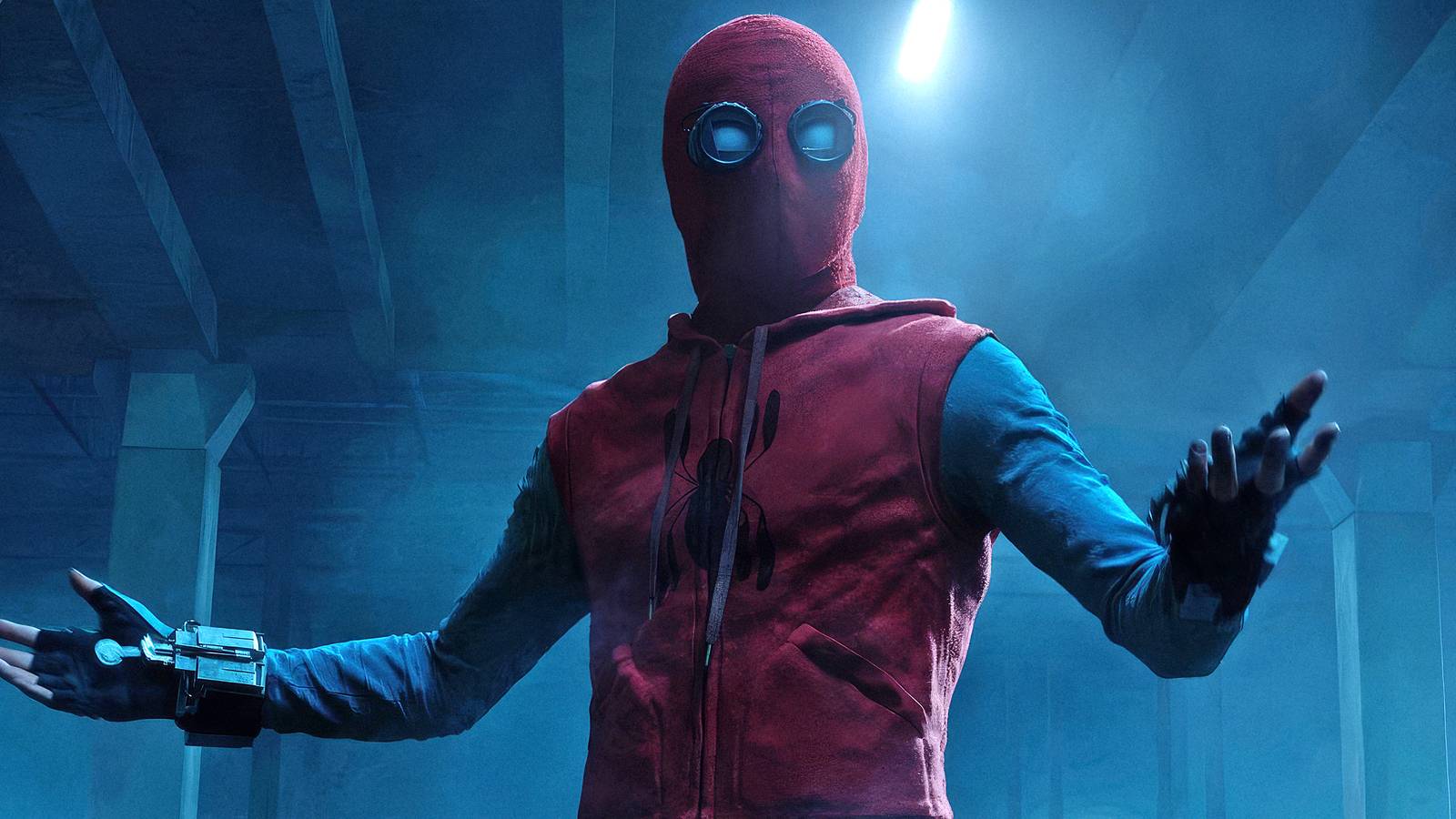
A Different Peter Parker
Tom Holland first appeared as Spider-Man in Captain America: Civil War before leading Spider-Man: Homecoming. The 2017 film presents a young, goofy and optimistic Peter, distinct from earlier versions of the character.
Inspired by John Hughes films, director Jon Watts and the studios put high school at the center of Peter’s story. He begins as a naive hero who wants to help, then faces real villainy when the Vulture appears and grows into a hero in his own right.
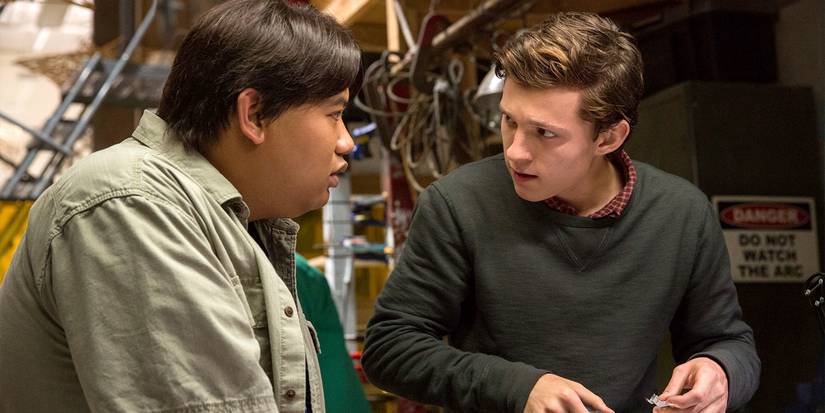
Friends Make School Feel Real
The movie changes up familiar supporting characters, including Harry Osborn and Mary Jane Watson, and instead gives Peter friends and relationships that help define this version of him. Ned Leeds, played by Jacob Batalon, is his best friend, while Liz Allan, played by Laura Harrier, is his love interest.
The supporting cast adds humor and conflict to Peter’s school life. The film’s diverse group of students also helps its high-school scenes feel natural rather than built around standard movie tropes.
Vulture’s Personal Stakes
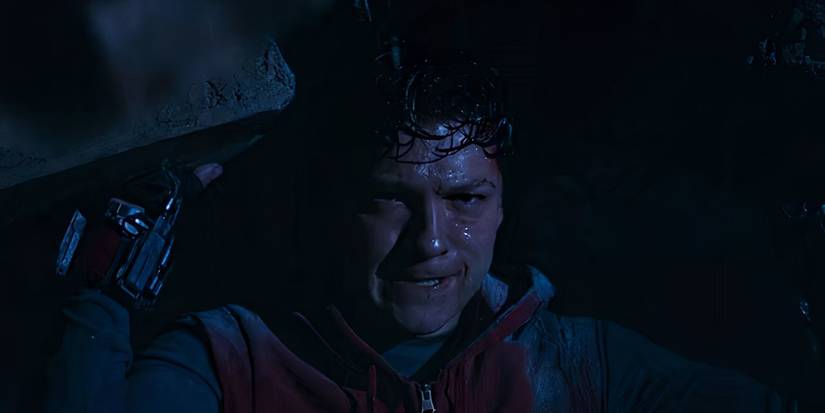
Michael Keaton’s Adrian Toomes is presented as a villain with understandable motives, even as he does wrong. The film links his anger to the way Tony Stark and Damage Control affect working people, after Toomes and his crew are displaced at the start of the story.
Toomes becomes more compelling because his conflict has a personal connection to Peter: he is Liz’s father. That relationship raises the stakes and makes the Vulture a strong part of the film’s appeal.
Key points
- Peter’s high-school-focused story gives Tom Holland’s Spider-Man a distinct identity.
- Ned Leeds and Liz Allan help make Peter’s school world feel lived-in.
- The Vulture’s grievances connect the film’s conflict to working-class concerns.
- Toomes being Liz’s father gives Peter’s fight against him personal stakes.