Dental implants hijack the immune system: scientists discover how titanium fuels infection
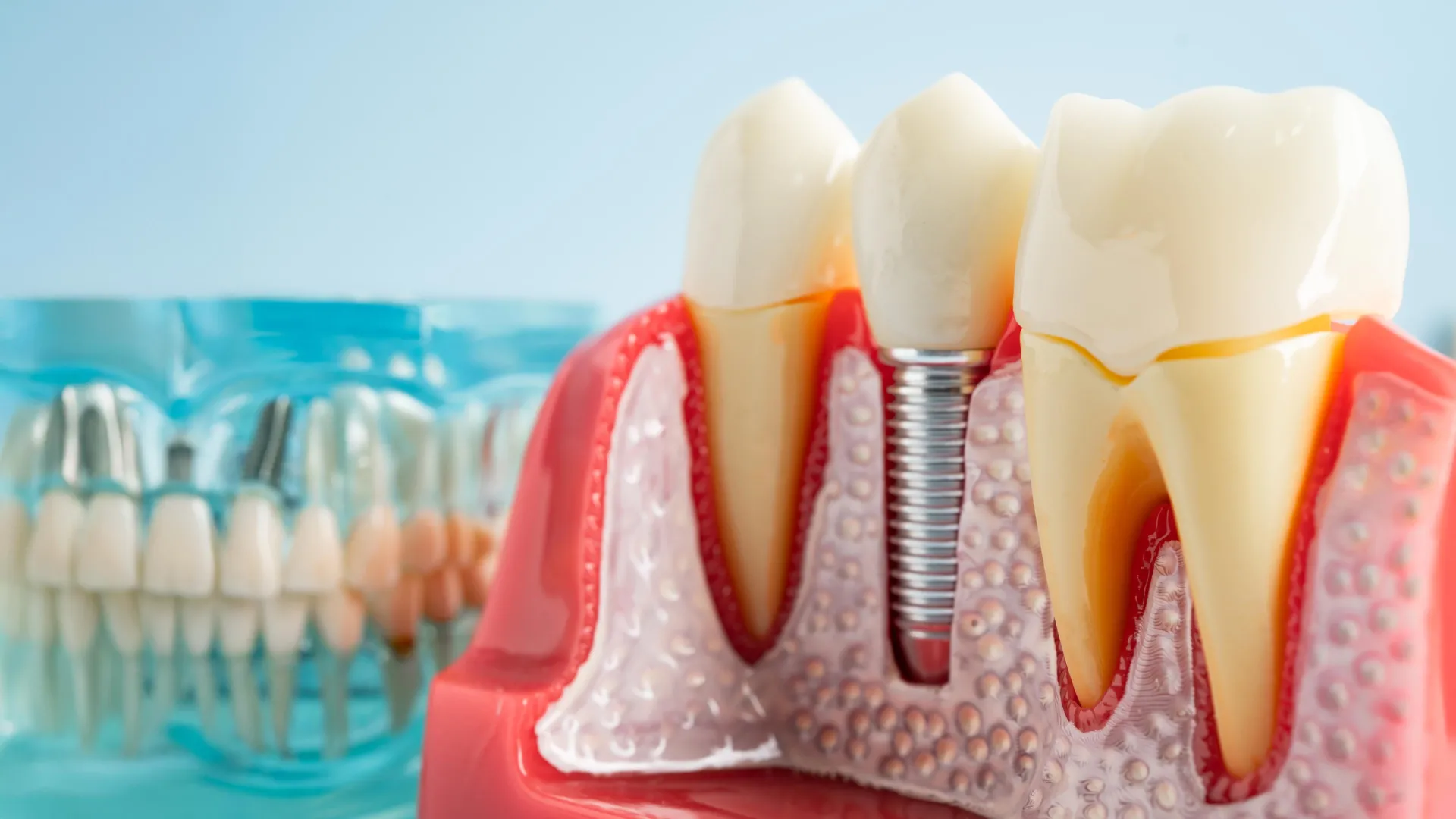
A different cause of implant infection
Peri-implantitis begins with bacteria, much like periodontitis around natural teeth, but treatments have different results. Antibiotics and professional cleaning can resolve infections around natural teeth, while the same medications work in fewer than half of implant cases.
For two decades, researchers largely focused on the bacteria. The Rutgers team also examined the implant material and found that acidic bacterial biofilms can gradually corrode titanium, releasing microscopic particles into nearby tissue. Routine cleaning can also dislodge particles, especially when tools intended for natural teeth scrape implant surfaces.
How titanium disrupts defenses
In the gums, bacterial toxin called lipopolysaccharide coats titanium fragments. The combination can resemble large bacteria to macrophages, immune cells that normally engulf harmful microorganisms. The inflammation progressively damages the bone supporting the implant. Kotsakis described the particles as “little magnets that attract the bacterial toxin” and said they “hijack the immune system,” preventing it from clearing bacteria.
A possible target for treatment
The study, published in PNAS Nexus, combined human tissue samples, laboratory studies of human immune cells and experiments in genetically engineered mice. Researchers identified a calcium channel in macrophages that titanium particles activate.
When the channel was disabled in mice, the disease was prevented. The researchers called the finding the first credible drug target for peri-implantitis, which affects as many as one in five implant recipients and costs healthcare systems worldwide more than $1 billion annually.
Key points
- Peri-implantitis affects an estimated 10% to 20% of implant patients.
- Titanium particles can leave implants through bacterial corrosion or routine dental cleaning.
- Exposed macrophages become inflamed and less able to engulf bacteria.
- Disabling a calcium channel prevented the disease in genetically engineered mice.