Why the EU Wants to Make Pesticide Rules Easier—and What’s at Stake Here
What the proposal would change
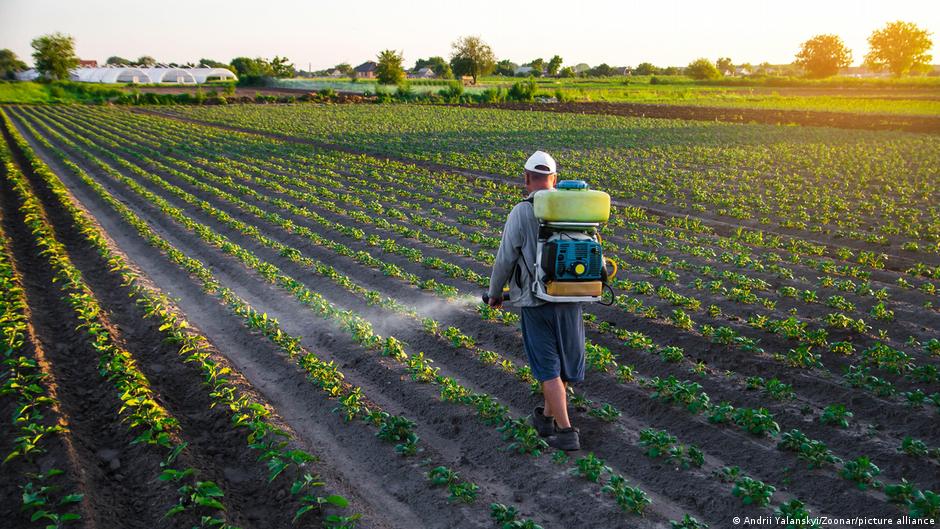
The European Commission’s proposed changes would overhaul parts of EU agriculture and food safety law. They include easing controls on pesticides and herbicides, which are used against pests and weeds.
Under rules dating to 2011, pesticide active substances receive approval for limited periods of up to 15 years. The commission proposes indefinite approval as the default, including for glyphosate, with safety reviews reserved for exceptional cases. Regulatory authorities, rather than industry, would be responsible for those reviews.
The case for simpler approvals
The commission says the changes would lower costs, simplify authorities’ work and help farmers remain competitive. It has also cited delays in approving new products, including options considered more sustainable.
A May statement from 19 food associations, including CropLife Europe, said complex procedures and lengthy approvals left farmers without effective ways to protect crops. Italian lawmaker Herbert Dorfmann has also argued that delays can leave farmers relying on older substances or without alternatives when those are banned.
Concerns about health and nature
Pesticides may persist in the environment, contaminate water and degrade soil. They can also contribute to biodiversity loss and poison animals higher up the food chain. The European Environment Agency has said it is not yet possible to estimate disease linked to current exposure to all pesticides.
Negotiations and next steps
In negotiations, EU member states said open-ended approvals should be limited to low-risk active substances. Their position also proposed initial approval periods of up to 15 years for other substances and renewals of up to 25 years.
Dorfmann, who is co-rapporteur for interinstitutional negotiations, supports the commission’s approach and wants the system opened to innovation. He aims to bring the Parliament’s proposal to a vote before the end of the year. The commission says protecting human and animal health and the environment will remain its highest priority.
Key points
- The commission proposes making indefinite pesticide approval the default, with safety reviews in exceptional cases.
- The EU says simpler rules could reduce delays and help farmers access newer products.
- More than 500 experts called for an independent investigation into health and environmental effects.
- UN rights experts urged a review focused in part on agricultural workers and children.