Bulgaria: Black Sea security concerns dominate presidential election campaign
A presidential race with wider stakes
Bulgaria is preparing to elect a president on October 25, with a possible runoff on November 1. The vote comes six months after a parliamentary election in which former President Rumen Radev’s party won a landslide majority.
The presidency is largely ceremonial, but the office represents Bulgaria internationally, commands the armed forces and can veto legislation. Political scientist Hristo Panchugov said the role could serve as a counterbalance to a government backed by an uncontested majority.
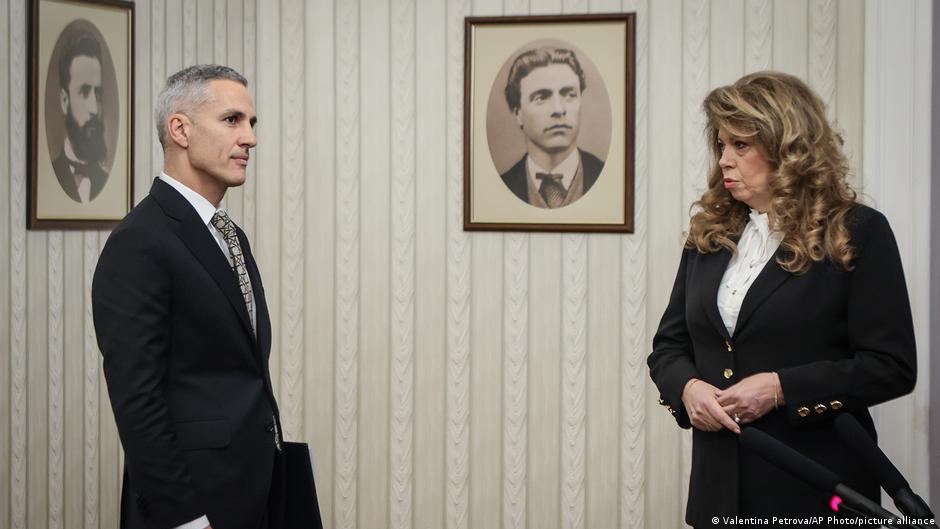
Twenty-seven candidates are on the ballot, though the contest has narrowed to incumbent Iliana Yotova and former caretaker Prime Minister Andrey Gyurov. Yotova is backed by the prime minister; opposition parties support Gyurov.
Ukraine policy moves to forefront
The campaign initially featured small rallies, few televised debates and personal attacks. In recent weeks, drone attacks on Black Sea ships have brought the candidates’ differing positions on support for Ukraine into sharper focus. That reassurance addressed a deployment that was not part of the public debate, and a 2025 parliamentary declaration had already affirmed that Bulgarian forces would not take part in hostilities there.
Unclear attribution sparks criticism
After the first drone attack, Yotova convened the Consultative Council on National Security. Its declaration did not identify the source of the Black Sea threat. After a second attack, Prime Minister Radev said there was no solid, clear evidence to accuse a specific party, while adding that logic suggested Russia benefited. He then summoned the Russian ambassador for talks.
Many in Europe, including Ukrainian President Volodymyr Zelenskyy, have blamed Russia for the attacks. Researcher Boriana Dimitrova said the strikes made geopolitical tensions tangible to Bulgarians, while critics faulted the country’s leaders for not clearly assigning responsibility.
Poll gap narrows before vote
Protests in Sofia targeted what demonstrators described as the government’s ambiguous foreign policy. Dimitrova said Yotova’s support had slipped, although she remained in first place for the opening round.
An Alpha Research poll found expected turnout rising as Yotova’s lead over Gyurov narrowed to about 12 percentage points. The result does not necessarily signal a change in the balance of power: Gyurov’s campaign has faced criticism for a late candidacy and limited engagement with current issues.
The absence of candidates from GERB and DPS, parties whose support exceeded 660,000 voters in April, may also affect the outcome. Alpha Research said half of GERB supporters did not intend to vote in the first round, while most of those remaining were expected to favor Gyurov.
Key points
- Black Sea drone attacks have made security and Ukraine policy central campaign issues.
- Yotova remains ahead of Gyurov, but her first-round lead has narrowed to about 12 points.
- Bulgaria’s leaders have faced criticism for not clearly identifying who was behind the attacks.
- The election is also being viewed as a test of the party that won April’s parliamentary vote.