Stephen King’s Sci-Fi Novel Delivers One of Literary History’s Most Unsettling Endings
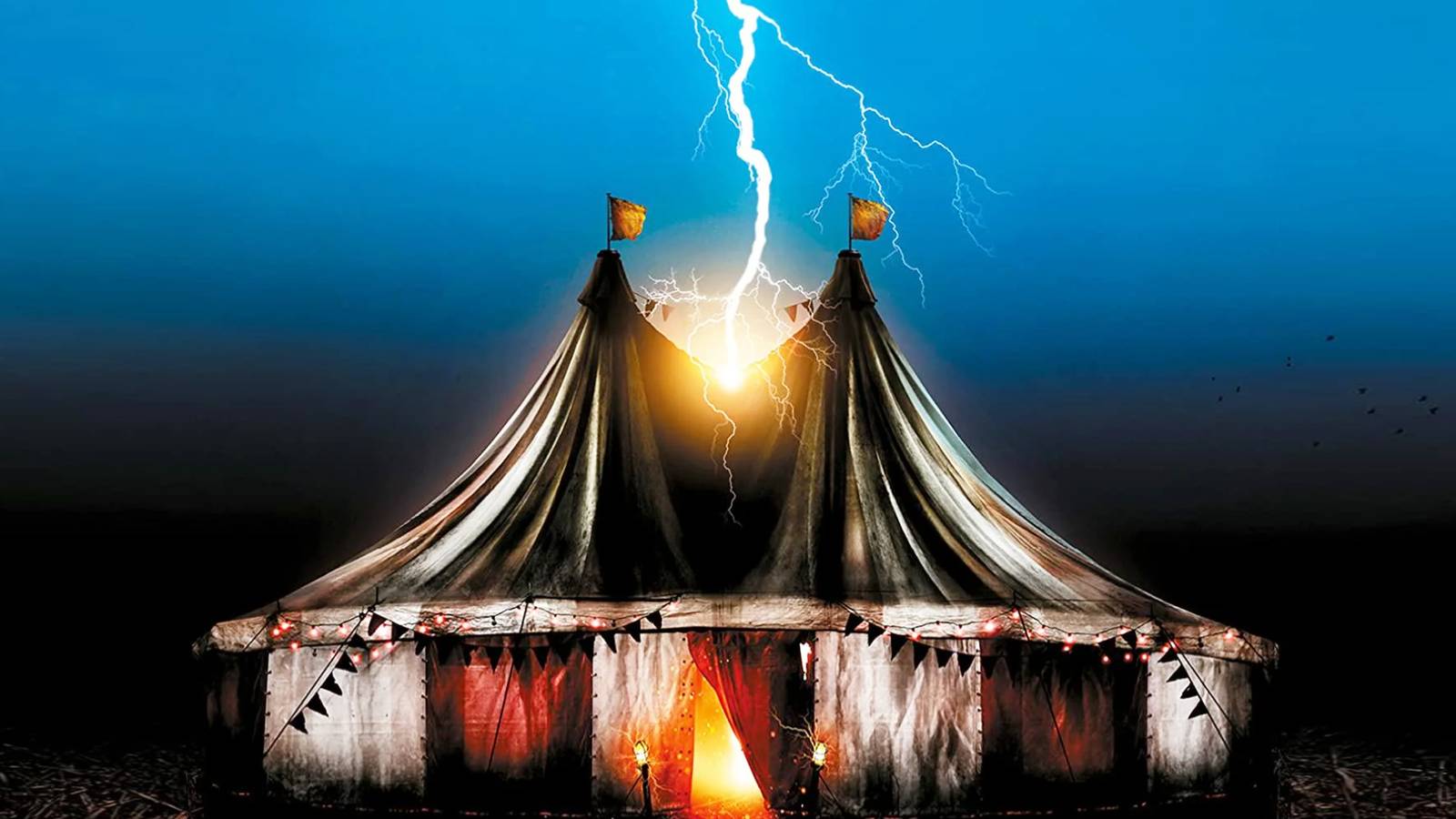
A different side of King
Although Stephen King is best known for horror, his books also draw on science fiction and dystopian themes. The Dead Zone, The Long Walk, and Under the Dome offer examples of those elements in his work.
Revival, published in 2014, is among King’s later novels and stands out for its grim tone. It came four decades after Carrie, his first published novel, and is described as one of his more downbeat 21st-century horror stories.
Jamie and the minister
The story begins when Jamie Morton is a boy in a small town and meets Charles Jacobs, a minister who quickly wins over many residents. Their lives later cross again when Jamie is a troubled adult and musician.
Jacobs has been changed by the sudden deaths of his wife and child. Grief drives him away for a time, and he later becomes fixated on death and the possibility of restoring the dead or making contact with the afterlife.
Experiments bring consequences
Jacobs pursues his questions through experiments, with Jamie drawn into the work in a role likened to an assistant. The novel’s horrors grow more intense as the story progresses.
The experiments appear to work, but in deeply troubling ways. Jacobs has also healed people while pursuing them, and those people begin to suffer bad consequences.
A bleak vision beyond death
The most disturbing revelation comes when Jacobs communicates with his long-dead wife. She tells him that Heaven does not exist, overturning the belief he once held as a minister.
The story then presents a horrific version of Hell and spends time in that dimension. Its final vision makes the novel’s questions about faith and death especially unsettling.
Key points
- Revival, published in 2014, combines horror with science fiction.
- Jamie Morton reconnects with minister Charles Jacobs as an adult.
- Jacobs’s experiments involve death, healing and the afterlife.
- The ending offers a disturbing vision of what may follow death.