Blocking immune cells may help fight Alzheimer brain damage without removing toxic tau, scientists find
Blocking immune cells’ route
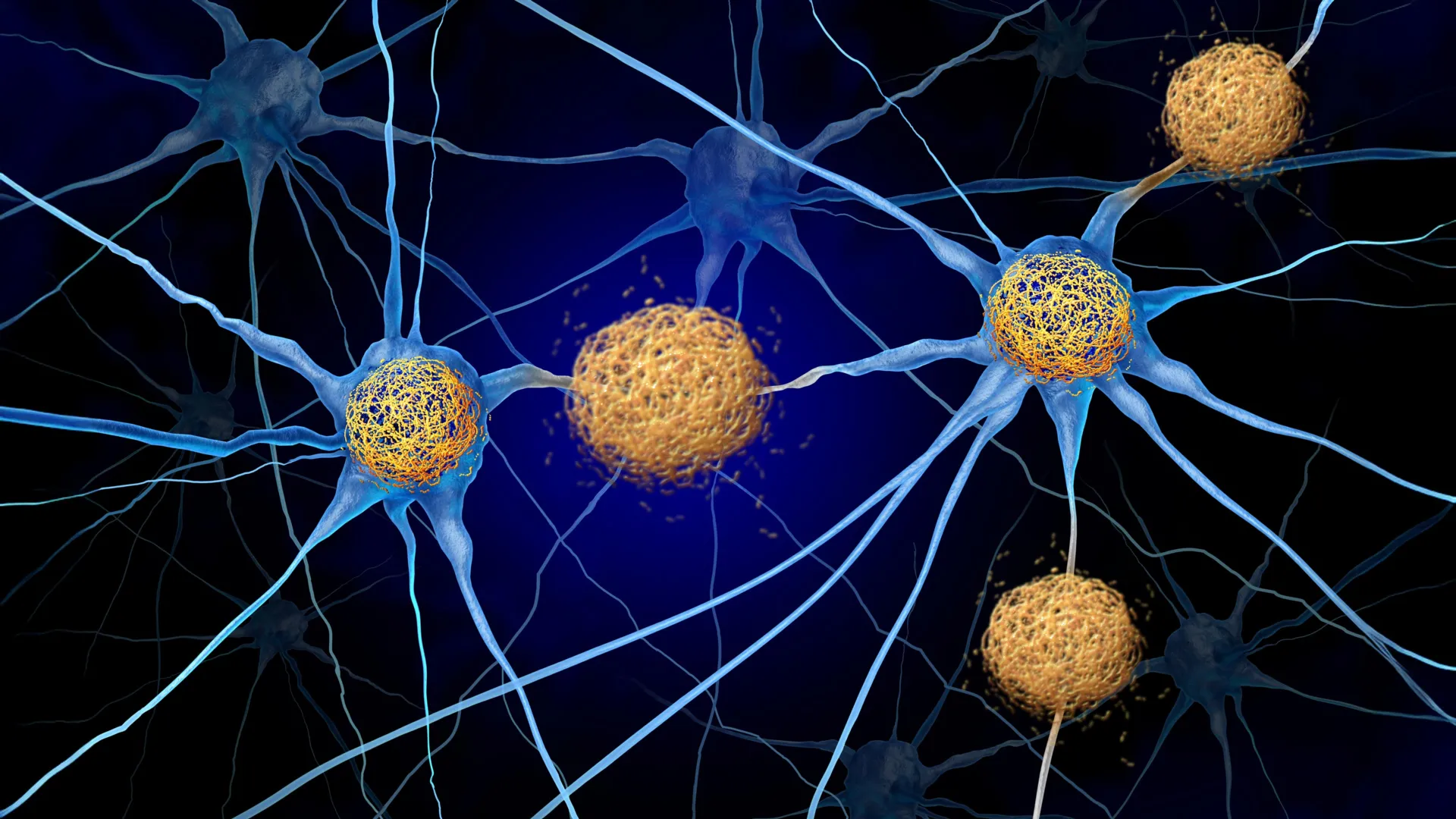
Tauopathies involve abnormal tau tangles inside the brain, alongside the loss of nearby neurons. Researchers say the immune response to tau may contribute substantially to damage affecting brain cells, memory and independence.
The Washington University team targeted CXCR3, a receptor that helps T cells follow chemical signals into the brain. In mice with tau deposits resembling those seen in Alzheimer’s, an antibody blocking CXCR3 reduced the number of brain T cells by approximately half after several months.
Mice retained more tissue
Treated mice retained roughly 40% more tissue in brain regions involved in memory than untreated mice, and performed better on a memory test. The amount of accumulated tau remained unchanged, suggesting the benefits did not depend on removing the protein.
Senior study author David M. Holtzman said there is currently no treatment for tauopathies, including Alzheimer’s, that decreases neurodegeneration. He said pursuing this pathway could help prevent the diseases’ most devastating consequences if it reduces brain cell death.
Research traced T cell signals
The team investigated CXCL10, a chemical signal found at unusually high levels in mice with tau accumulation and also reported at elevated levels in people with Alzheimer’s. Activated T cells carry CXCR3, which recognizes CXCL10 and may guide them toward the brain.
Key points
- Blocking CXCR3 reduced brain T cells by approximately half in treated mice.
- Treated mice retained roughly 40% more tissue in memory-related brain regions.
- Memory improved even though tau accumulation remained unchanged.
- The findings suggest a possible immune-targeting approach to tau-related brain damage.