Near-tied Michigan Senate race: GOP candidate Mike Rogers says inroads with Black, Jewish voters could help beat Sayed
A close Michigan Senate race
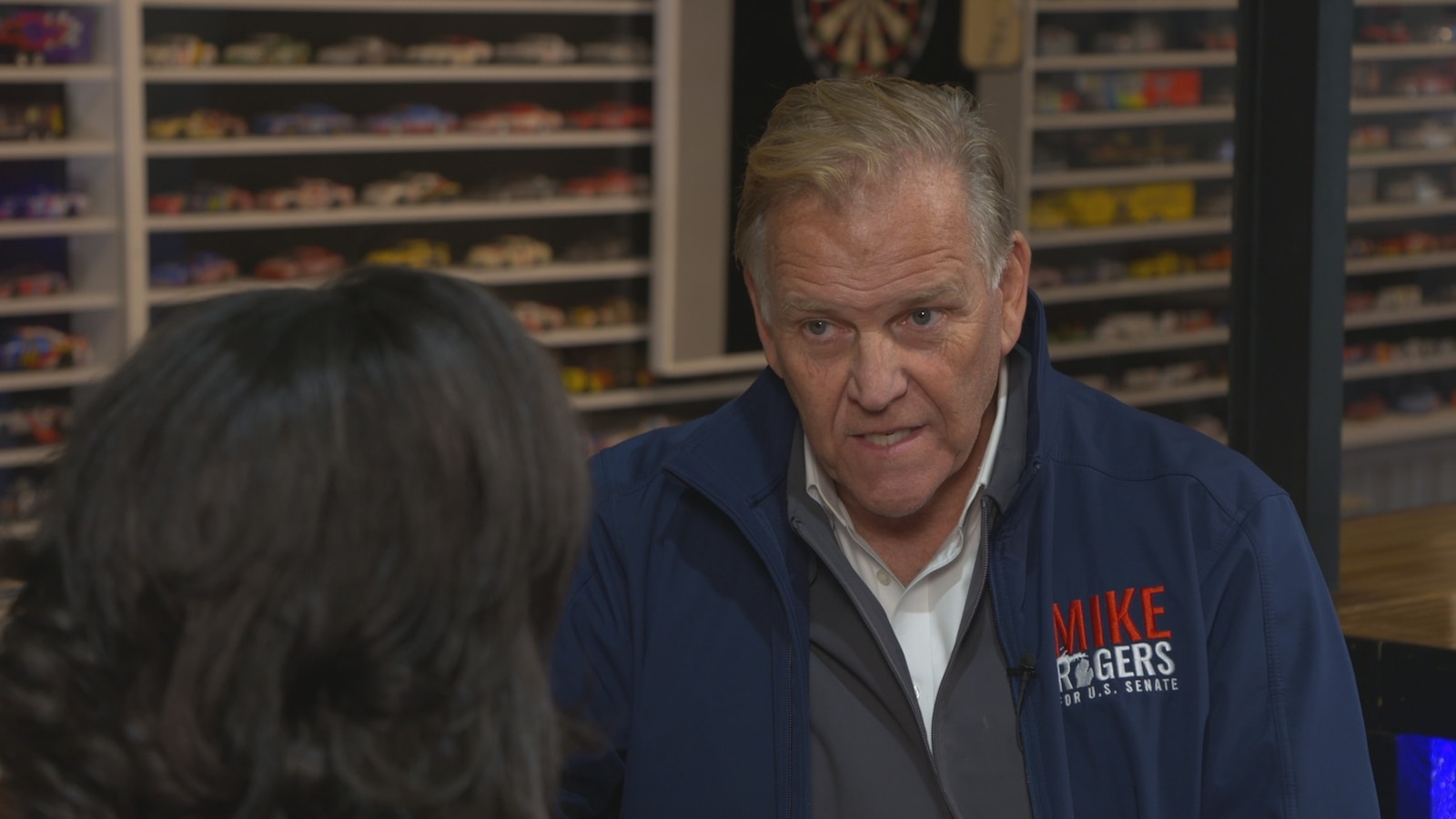
Mike Rogers, the Republican candidate for Michigan’s Senate seat, told ABC News Live that he sees an opening among voters who usually support Democrats. He cited Jewish Democrats and African Americans in Detroit, Pontiac and Brooklyn as groups his campaign is reaching.
A Fox News poll from late September put Abdul El-Sayed at 50% among likely voters and Rogers at 49%. The results were within the poll’s margin of error. Former President Barack Obama was scheduled to campaign with El-Sayed in Detroit on Saturday; former Vice President Kamala Harris had appeared with him earlier in the campaign.
Rogers voices economic concern
Asked whether he agreed with Trump’s description of his economic performance as “A++,” Rogers did not answer directly. He told anchor Linsey Davis, “I am really worried,” adding that people were frustrated with prices and inflation.
Rogers also criticized a new round of tariffs on Canadian goods, saying they posed problems for Michigan. He pointed to the two countries’ integrated auto industries and called for negotiations or a delay rather than imposing tariffs amid other economic struggles.
Disputes and campaign contrasts
Rogers has sought distance from Trump on tariffs and the Iran war during the closing weeks of the campaign. Asked whether he believed El-Sayed was a terrorist, Rogers avoided a direct response, saying the question was about ideology rather than how someone prays. Rogers served seven terms in the House, including as chair of the House Intelligence Committee. Asked what criticism of himself was fairest, he replied, “I love my wife too much.”
Key points
- A late-September poll showed El-Sayed leading Rogers by one point, within the margin of error.
- Rogers said outreach to Black and Jewish voters could help his campaign.
- He criticized Canadian tariffs and said he was worried about inflation and prices.
- Rogers avoided directly answering whether he agreed with Trump’s economic assessment.