NASA Science Curiosity Blog: Watching Martian Clouds During Sols 5036-5042
A new Martian year begins
Mars year 39 began at the northern hemisphere’s vernal equinox, when solar longitude reached zero degrees. The new year arrived at the end of September on Earth, and autumn began in Gale Crater, just south of Mars’ equator.
The team marked the occasion with its drill campaign at Basque Lakes. After reviewing results from earlier laboratory work, the SAM team chose to add a gas chromatograph and mass spectrometry experiment.
Finishing work at Basque Lakes
The plan allowed four sols for the added experiment, which uses substantial energy. It also included remote observations by Mastcam and ChemCam, plus contact science on the drill tailings left behind after sampling.
The weekend plan set aside more time to finish drill activities and examine additional targets at Basque Lakes. The team planned to drive away afterward, but the destination in the text is incomplete.
Twilight clouds return
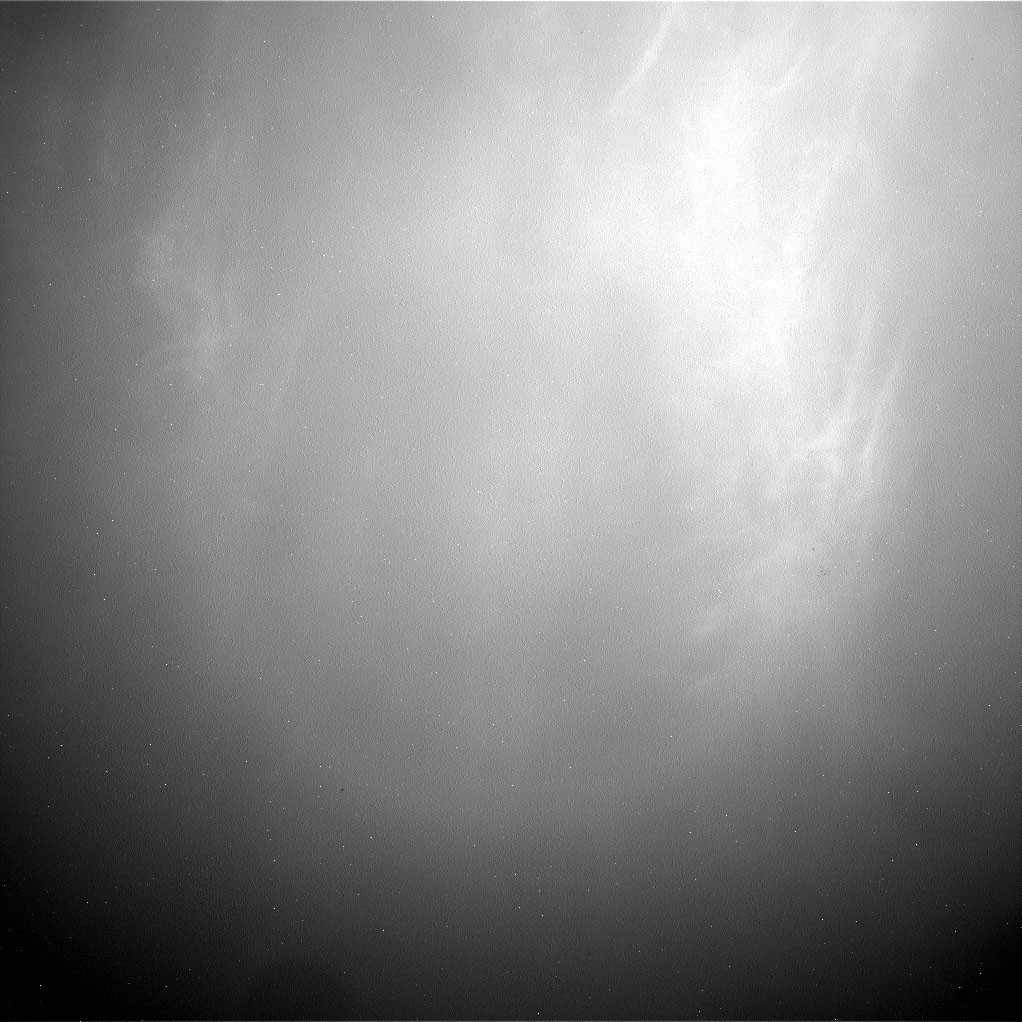
Autumn brings high-altitude clouds that can glow when illuminated by the low sun at sunset. Late-afternoon cloud movies taken on Wednesday captured the season’s first examples. Many clouds seen at Gale Crater are too thin to be visible to human eyes or Curiosity’s cameras. The twilight clouds are bright enough to appear in raw Navcam images, and activity is expected to increase as autumn progresses.
Key points
- Mars year 39 began as autumn arrived in Gale Crater.
- Curiosity’s team added a gas-analysis experiment at Basque Lakes.
- The weekend plan included finishing drill work and collecting more science observations.
- Late-afternoon Navcam images captured the first high-altitude twilight clouds of the season.