What Researchers Know After the Amelia Earhart Plane Search Found No Conclusive Evidence
The expedition’s findings
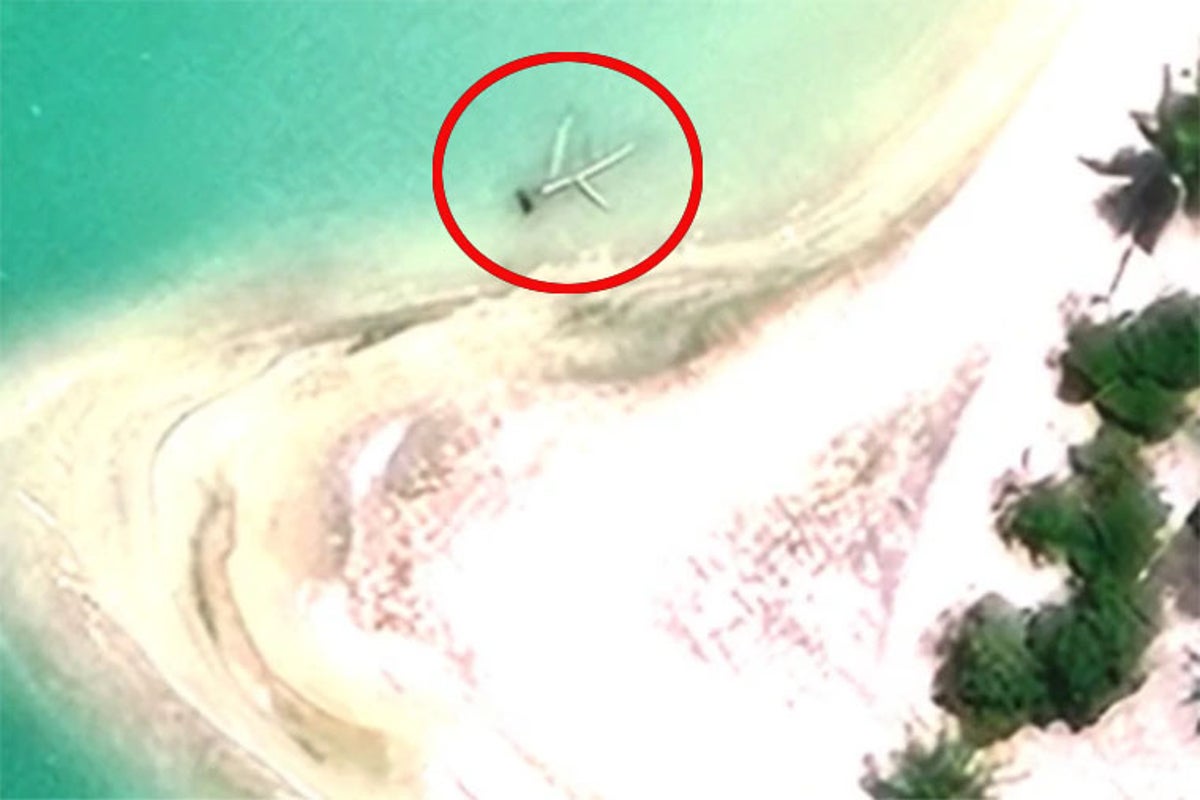
The team behind the Taraia Object expedition said on Monday that it had found no conclusive evidence for its theory. Satellite imagery first spotted in 2020 had raised hopes of a breakthrough in the search.
Researchers now believe the image showed large trees deposited along a peninsula’s sandspit. By the time they reached the location, most of the debris had fragmented or washed away.
A fragment and its surface
Only one Y-shaped piece remained, much smaller than the object seen when the hypothesis was formed. Its reflective surface had been taken as a sign that it was metallic.
The team said the sheen came from a carbonate veneer. Other items they found also had a shiny coating made from concretised coral sand.
A search without a breakthrough
Despite the result, Rick Pettigrew, ALI’s executive director, said the team remained in “great spirits” and took pride in its work. He said Earhart’s “courage and curiosity” had guided the search.
Earhart’s final flight
On July 2, 1937, Earhart and navigator Fred Noonan departed Lae, Papua New Guinea, on the third-to-last leg of her attempted flight around the world. They were bound for Howland Island, about 400 miles northwest of Nikumaroro.
The pair vanished during the journey. The US mounted a two-week air-sea search across a Pacific area roughly the size of Texas, one of the largest such efforts in history.
Key points
- The Taraia Object expedition found no conclusive evidence that the debris was Earhart’s plane.
- The team believes the satellite image showed large trees on a peninsula’s sandspit.
- Most of the debris had fragmented or washed away before researchers arrived.
- Earhart and Fred Noonan vanished while flying toward Howland Island in 1937.