Myanmar refugees find hope in Thailand work program, but support gaps remain as they wait for others
A new route to paid work
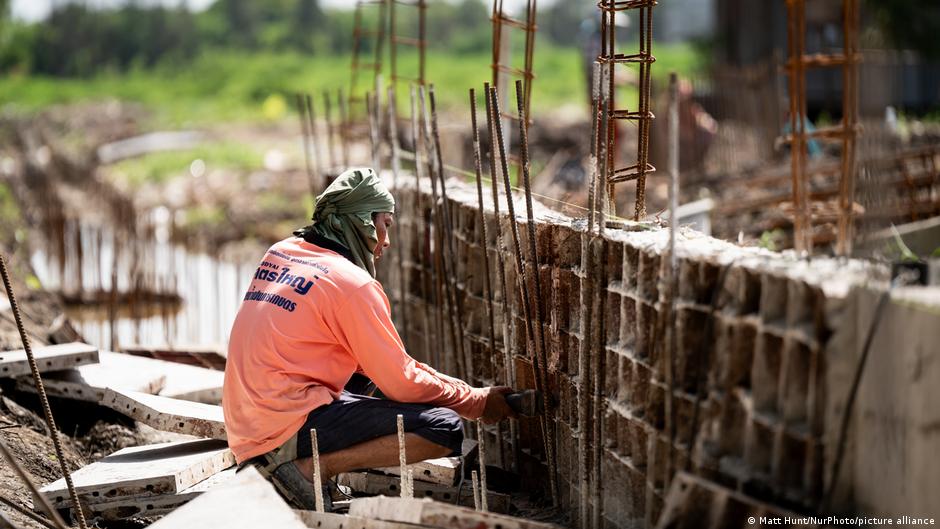
Ray Boe, 31, left one of nine refugee camps along the Thai-Myanmar border to work on a construction site in Bangkok. More than 100,000 people live in the camps, some dating back to the 1980s, after fleeing Myanmar’s prolonged civil conflict.
Since last month, Boe has earned 400 baht a day pouring concrete and putting up scaffolding for a planned 12-story apartment building. He hopes to send money to his family to cover food and healthcare for his parents. Before the program, refugees were not allowed to leave the camps for work and many relied on aid.
Policy shifts after aid cuts
The Thai government introduced work permits in October 2025, following reductions in foreign aid, mainly from the United States, that led camps to cut food and healthcare assistance. At around the same time, fighting between Thailand and Cambodia prompted hundreds of thousands of Cambodian migrant workers to return home, creating labor shortages.
The permits allow refugees to work in 43 of Thailand’s 76 provinces and in sectors not legally restricted to Thai citizens. The Ministry of Foreign Affairs says vocational training in the camps has improved to prepare people for jobs outside them. Spokesman Praporn Waenluang said the policy could expand opportunities and contribute to Thailand’s economy.
Protections remain a concern
The International Detention Coalition’s Thailand coordinator, Siwawong Sooktawee, said refugees were happy to earn more than they could in camp and to support themselves. He and others, however, say the program has started slowly and needs improvement.
Rights advocates report that some workers leave without contracts and encounter harder work, poorer conditions or lower pay than promised. They also say there is no clear way to file and resolve complaints. Karen Women’s Organization general secretary K’nyaw Paw said some families borrow money to help relatives return to the camps after unsuccessful work attempts.
Siwawong and K’nyaw Paw said some employers deduct wages for recruitment-related expenses, including medical checks, permits and transport. Refugees can therefore begin work already in debt, sometimes without being told about the costs in advance.
Key points
- Thailand says 6,800 camp refugees entered its workforce in the program’s first year.
- The permits cover 43 provinces and jobs not reserved for Thai citizens.
- Refugees and rights groups say contracts and complaint procedures are often lacking.
- Workers may face unexpected wage deductions for hiring-related expenses.