Minns accused of bypassing high court ruling with laws to allow NSW mine to increase coal production by 32%
Government proposes special legislation
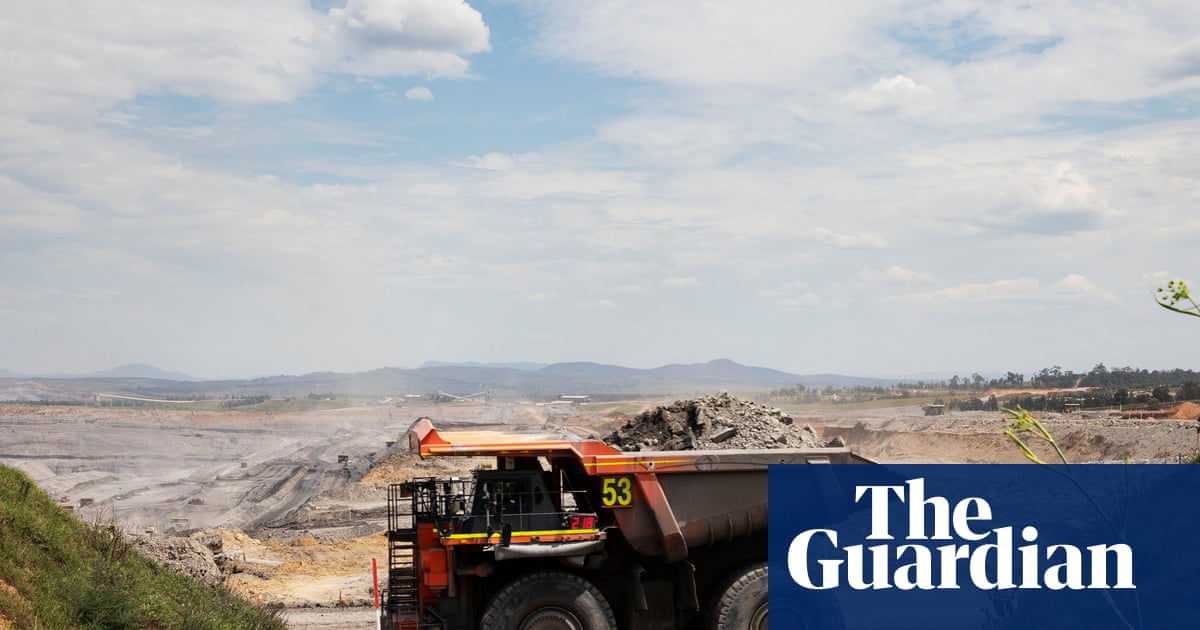
The Minns government says it will introduce legislation to let the Mount Pleasant coalmine in the Hunter Valley raise production by 32% per year. The mine is in Muswellbrook, New South Wales, and is operated by MACH Energy.
The government described the bill as a response to “unique legal uncertainty arising from the high court’s judgment on 7 October 2026”. It also said MACH Energy had agreed to retain its current permanent workforce until 2032 if the bill passes. A government representative said the decision had been difficult, adding: “I’ve agonised over this one in particular.”
High court found approval invalid
Less than two weeks before the proposed legislation, the high court ruled that approval for the mine’s expansion was invalid. A majority found the Independent Planning Commission had not considered imposing conditions to minimise emissions from burning the coal overseas, known as scope 3 emissions, to the greatest extent possible. The ruling concerned the commission’s consideration of those emissions as part of its approval process.
Criticism over climate and jobs
Critics said the proposed laws would give special treatment to a coal company and could enable significant climate pollution that had not been assessed. One critic said the legislation would harm communities and argued that coal companies were influencing lawmaking under Labor. The critic also disputed the government’s jobs rationale, saying Mount Pleasant already had approval to operate for another six years and that jobs were not under threat.
Key points
- The government plans legislation allowing Mount Pleasant to raise annual coal production by 32%.
- The high court invalidated the expansion approval over consideration of overseas coal-burning emissions.
- MACH Energy agreed to retain its permanent workforce until 2032 if the bill passes.
- Critics argue the proposal risks unassessed climate pollution and is not needed to protect jobs.