Satellite photo of plane? Amelia Earhart search hits major snag as debris theory fades
Expedition finds little evidence
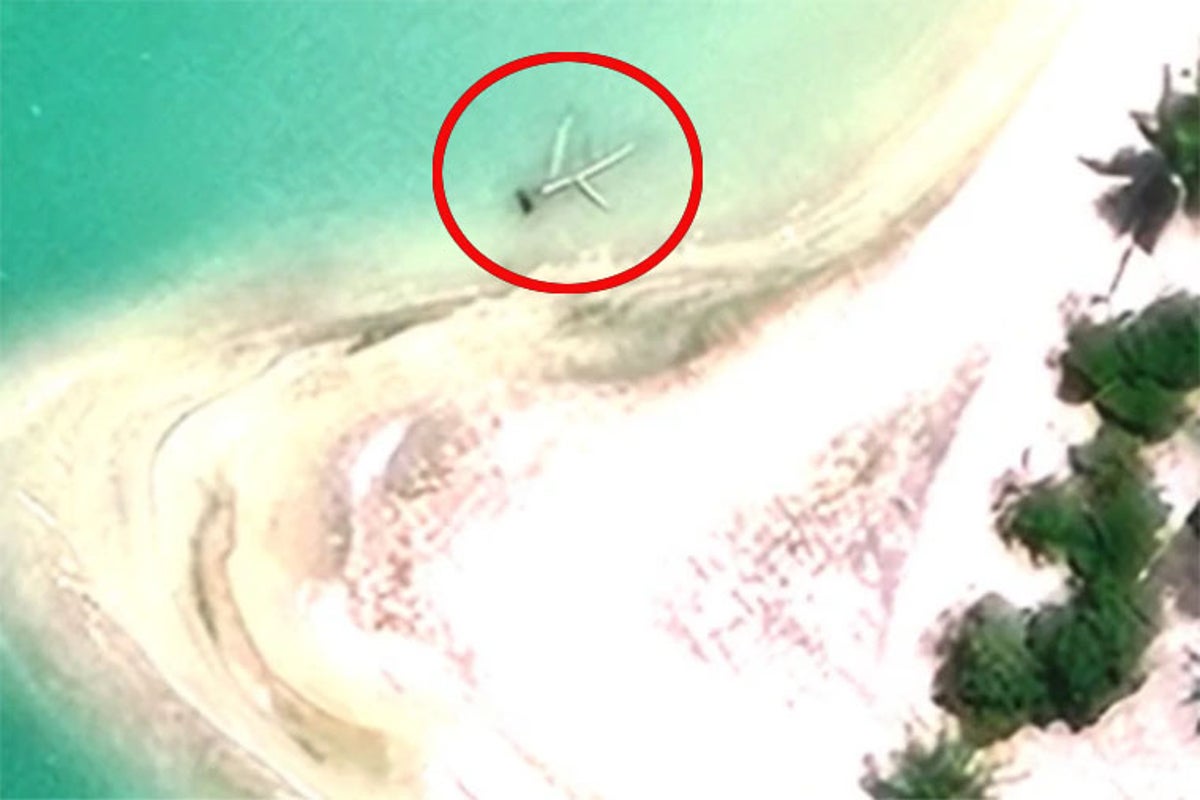
The team behind the Taraia Object expedition announced on Monday that it had found “no conclusive evidence” for its theory. The satellite imagery that prompted the search was first seen in 2020.
Researchers now believe the image showed large trees deposited along a peninsula’s sandspit. Most of the debris had broken apart and washed away before the expedition reached the site, leaving one Y-shaped piece much smaller than the object seen in the original imagery.
A shiny surface explained
The remaining fragment’s reflective appearance had been taken as a sign that it was metallic. The team said its shine instead came from a carbonate veneer. Other objects recovered during the search had a similar coating: a shiny, concretised mixture of coral sand.
Team remains encouraged
The result was a setback, but Rick Pettigrew, executive director of ALI, said the team remained in “great spirits” and was proud of its work. He said Earhart’s courage and curiosity had guided the search. Expedition member Steve Schultz, Purdue’s general counsel, quoted Earhart’s words: “Adventure is worthwhile in itself.”
Key points
- The expedition found no conclusive evidence that the Taraia Object was Earhart’s plane.
- Researchers believe the satellite image showed trees deposited on a peninsula’s sandspit.
- Only one small, Y-shaped fragment remained when the team reached the site.
- Earhart and Fred Noonan disappeared in 1937 while heading for Howland Island.