Hilarious Quips, 100,000-Volt Energy: Hypemen and Women Redefining Afrobeats Music
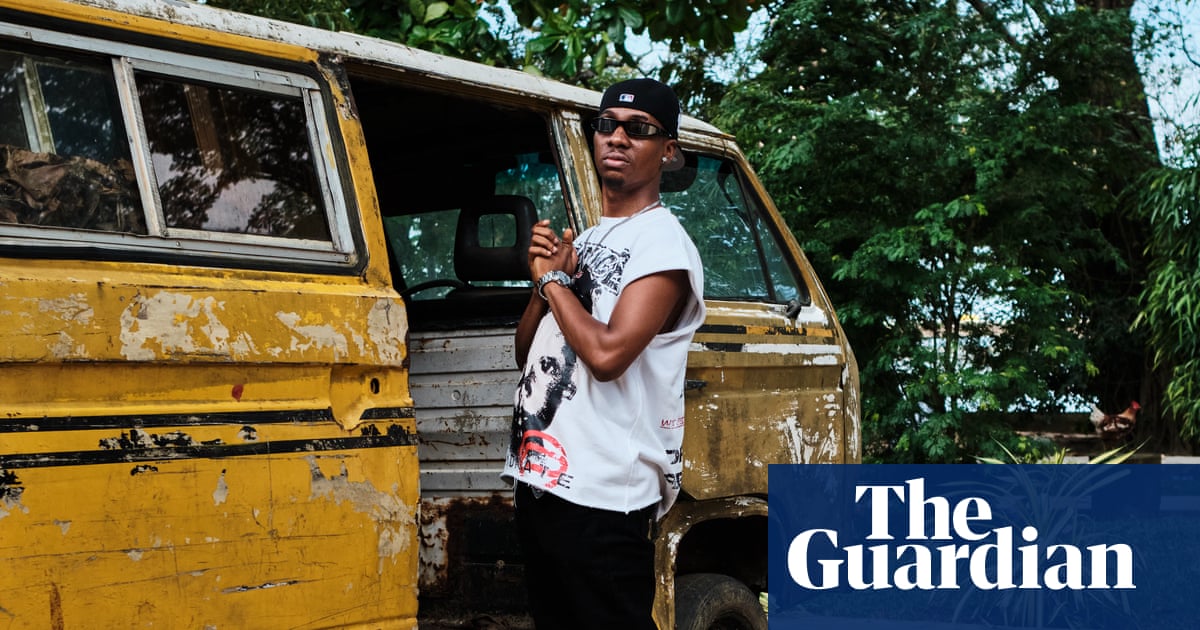
A performance between song and rap
Hypemen do not sing or rap in full. Instead, they deliver high-energy ad-libs and imitative sounds over new beats or familiar tracks, helping to captivate crowds. At parties and clubs, audience members may celebrate performers by donating or spraying money, a Nigerian custom. Cultural critic Dami Ajayi said one hypeman he encountered in Tirana used gaps between lyrics for jokes, some of them risqué and misogynistic.
Traditions behind the style
Hype draws on praise-singing and call-and-response traditions that have long been part of Black communities on both sides of the Atlantic. In West Africa, griots served as oral historians; in the United States, enslaved African Americans created spirituals, sacred folk songs.
The atalaku tradition, whose name means “look here, look at me” in Kikongo, took shape in 1980s Kinshasa. The article traces its later influence through music scenes in West Africa and Central Africa.
From Kinshasa to Côte d’Ivoire
The success of Olomide and Longomba around the turn of the 21st century helped fuel a craze in Côte d’Ivoire. Coupé-décalé adopted atalaku alongside farotement, in which people show off by throwing cash at performers or guests.
A 2003 hit by Ivorian star DJ Arafat urged listeners to gallop like a horse. Its refrain influenced later songs by Nigerian Afrobeats musicians Flavour N’abania and Skales.
A growing professional scene
As Afrobeats gained success, Afrohype became more widely recognised as a full-time career. After Covid-19, rising booking costs for artists led promoters to turn more often to hypemen, who had previously faced criticism for simply providing voiceovers.
Some hypemen are reportedly paid 5-8m naira (£2,844–4,550) for a 30-minute or one-hour performance. Tobi Michael Adeyeye, known as Toby Shang, says they help fun-seekers and club-goers return to the dancefloor.
Key points
- Hypemen add ad-libs and sound effects over beats rather than singing or rapping throughout.
- The style draws on praise-singing, call-and-response and the atalaku tradition.
- Afrobeats’ success and higher artist booking costs have expanded paid work for hypemen.
- Some performers reportedly earn 5-8m naira for sets lasting 30 minutes to an hour.