Descendant welcomes biography illuminating extraordinary life of woman gifted to Queen Victoria—and questions the premise
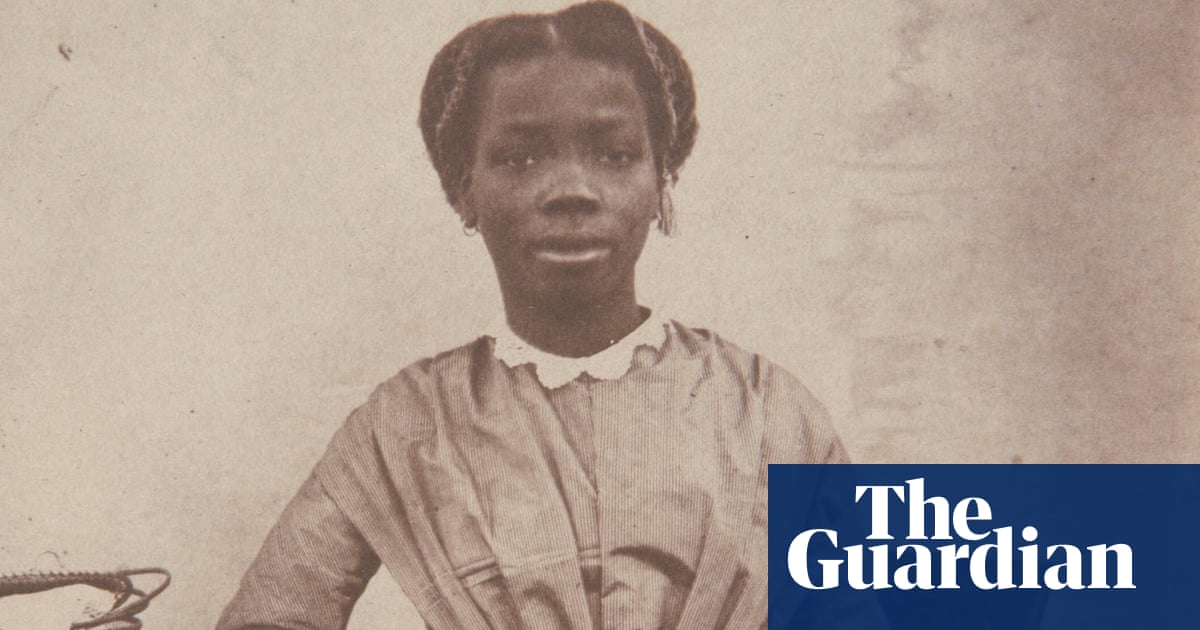
From Dahomey to England
Bonetta, born Àìná, was believed to have been captured at about five by the agodjié, the all-female regiment associated with King Ghezo’s court. In 1850, Frederick Forbes of the Royal Navy’s West Africa Squadron visited Dahomey, now Benin, to seek an anti-slavery treaty; the mission failed.
Forbes asked Ghezo to let him take Bonetta to England. Before arriving, he petitioned for her to be “the property of the crown,” according to Lovejoy’s book, and gave her his own name and that of his ship, the Bonetta. At seven, she was presented to Queen Victoria at Windsor Castle.
A royal relationship and agenda
Victoria took an interest in Bonetta’s welfare, made her a royal protege and met with her over the years. Randle said he questioned whether a person with agency could be “gifted” from one person to another, while wondering whether his family would exist as it does without that event.
Family history and legacy
Randle, a 37-year-old British-Nigerian barrister from London, learned about his family’s past from his father, Adekunle Randle, a retired lawyer. The family retains an engraved goblet and plate Queen Victoria gave to Bonetta’s daughter, Victoria, who was educated at Cheltenham Ladies’ College with the queen’s help.
Randle saw a plaster bust of Bonetta, sculpted in 1851 by Royal Mint chief engraver Benedetto Pistrucci, after Lovejoy located it in a private family collection. Bonetta was a linguist, musician, travel writer and educator, and a leading woman in 19th-century Lagos. She died of tuberculosis in Madeira in 1880, aged 37.
Randle said her life should not be portrayed as wholly tragic. He described her as capable, courageous and dignified through hardship, and called her an early example of Black Britain.
Key points
- Henry Lovejoy’s biography follows Sarah Forbes Bonetta from Dahomey to Queen Victoria’s court.
- Bayo Randle welcomes research into his great-great-grandmother while questioning the language of gifting a person.
- Lovejoy’s research links Bonetta’s public image to royal benevolence and forced indentures imposed on liberated Africans.
- Bonetta became a prominent figure in 19th-century Lagos before dying in Madeira in 1880.