How remote work made these colleagues more open with each other, not less
Following a workplace shift
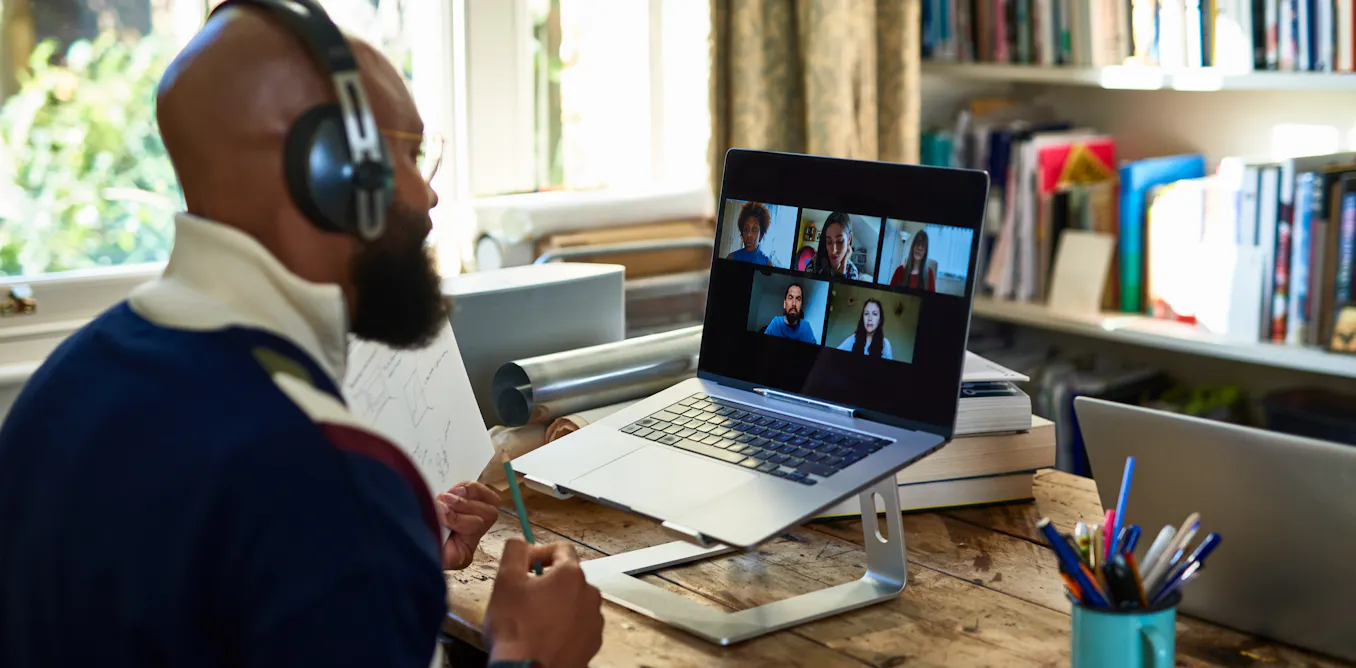
A management scholar followed staff at a professional services company from before the pandemic through 2024 as they moved from primarily in-person work to mostly remote work. The study drew on 275 interviews and about 330 hours of observation.
Most people in the groups studied worked from home four or five days a week and joined meetings by video. The findings, which have been peer-reviewed, are due in an upcoming issue of Organization Science.
From colleagues to whole people
Before remote work, staff largely saw one another as work colleagues. Some felt uneasy sharing personal circumstances that could affect their ability to work.
Home life on screen
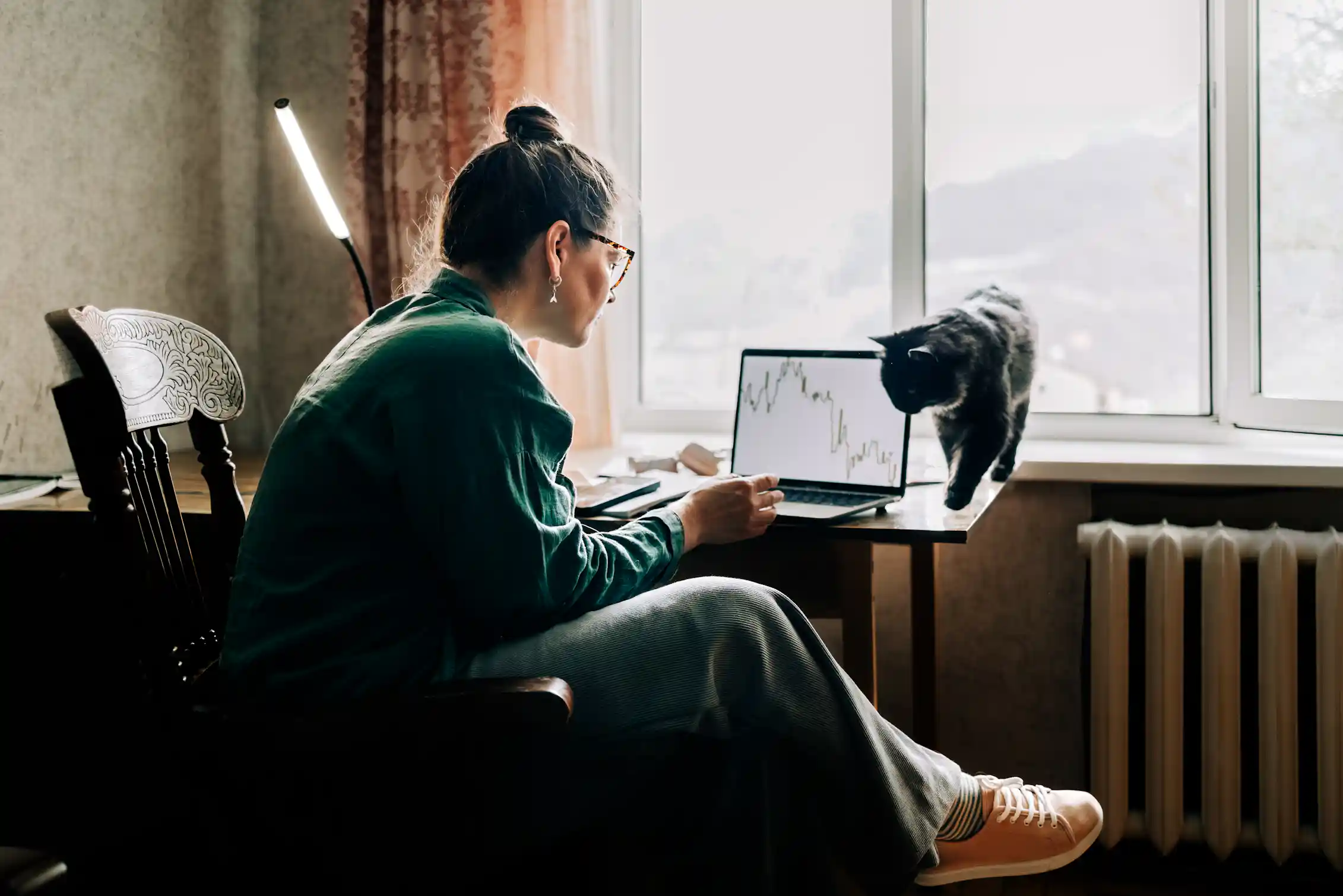
Remote meetings exposed coworkers to parts of one another’s home lives. Children could be heard, pets crossed in front of cameras, and a spouse once stopped by to say hello on screen. Staff also posted pictures of children, pets and meals in team chat channels.
Tamara said these moments helped colleagues learn about one another more quickly and deeply. In some cases, the closer ties formed among people who had known each other for years.
More room to ask for help
The researcher found that remote work appeared to improve psychological safety for many colleagues. That term describes feeling able to take interpersonal risks, such as admitting a mistake or asking for help, without expecting negative judgment. Management research links it with learning, creativity and speaking up.
Leah said colleagues became less afraid to discuss how personal and professional life overlapped. She recalled that someone dealing with a breakup might previously have kept quiet about needing a day off. As staff shared challenges, they said they felt better able to support one another.
Key points
- The study followed a professional services company through its shift to remote work.
- Most observed staff worked from home four or five days a week.
- Home-life glimpses helped colleagues become more open and feel closer.
- Coworkers said sharing challenges made it easier to support one another.