Until the Black Death, rabbits were a medieval royal luxury in England—then made commonplace
A rare arrival in Britain
European rabbits are not native to the British Isles. Although archaeologists have found a rabbit bone from Roman Britain, documentary evidence begins in the Norman period. A 1176 tithe dispute on the Scilly Isles offers an early record. Landowner Richard de Wyka said he had withheld payments on rabbits because he thought they were not subject to tithes, suggesting they were still unfamiliar.
Rabbits remained scarce enough to attract royal attention in the 1200s. In 1235, Henry III gave ten live rabbits from his Guildford park to Geoffrey Despenser, Lord of Martley in Worcestershire.
A costly royal delicacy
Henry III’s household added rabbits to its Christmas feast requisition list in 1240. The animals were valued for both meat and fur, and cost four or five times as much as chickens.
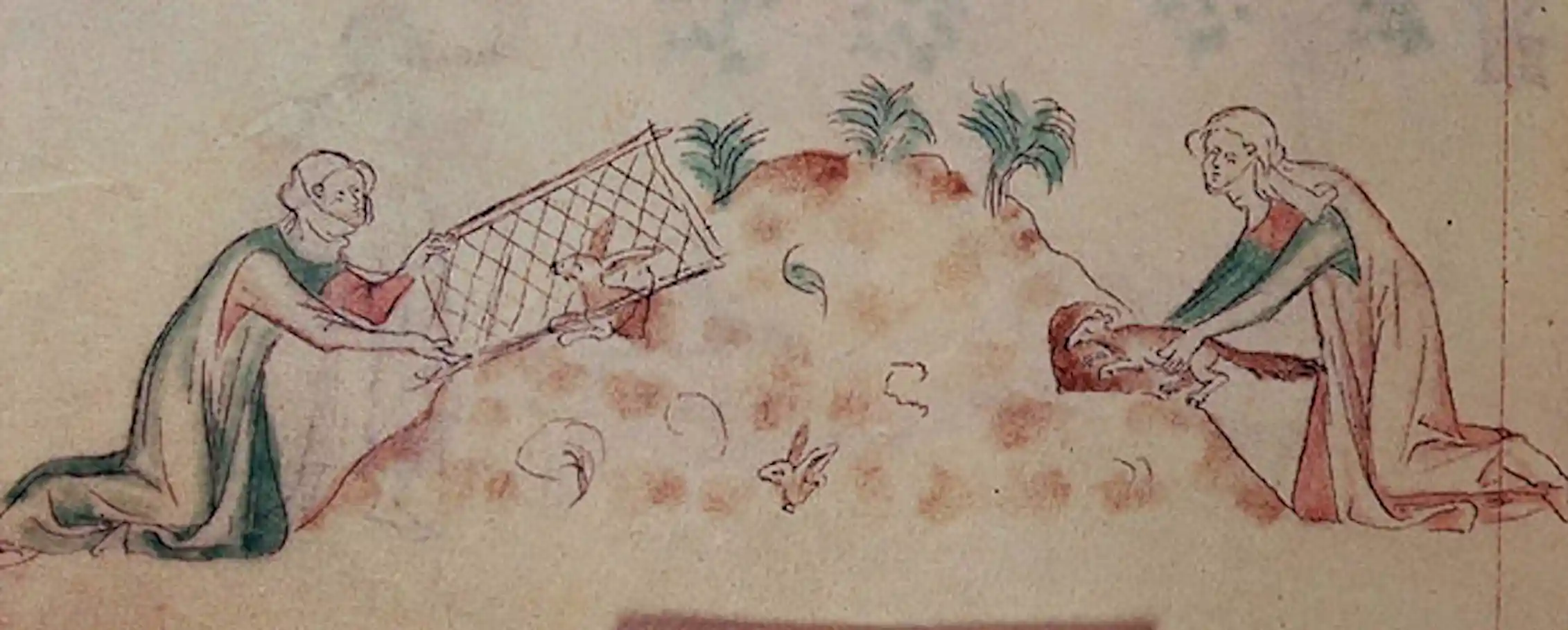
Owners protected their warrens from poachers and predators, sometimes building watchtowers and stone lodges. When the king ordered men to collect 30 or 40 rabbits from Guildford, they were told to do so only if the warren was well stocked.
Rabbits later became more available beyond the aristocracy. After the Black Death, which killed between a third and two-thirds of Europe’s population, survivors faced improved living standards, more available land and higher wages for labour.
Changing status and tastes
By the 14th and 15th centuries, wealthier peasants ate rabbit meat, while aspiring craftsmen wore rabbit fur. Grey fur provided warmth, and some warrens bred rarer silver-grey or black rabbits.
Rabbits remained a royal indulgence: Henry VII had night attire made with black rabbit fur. But their wider spread also made them a source of damage, with manorial accounts repeatedly recording complaints about crops and land harmed by rabbits.
A 1363 law restricted clothing according to social status, citing excessive dress beyond people’s station. The measure reflected concern about changing social boundaries as some people adopted the lifestyles of those above them.
Hunting, conflict and satire
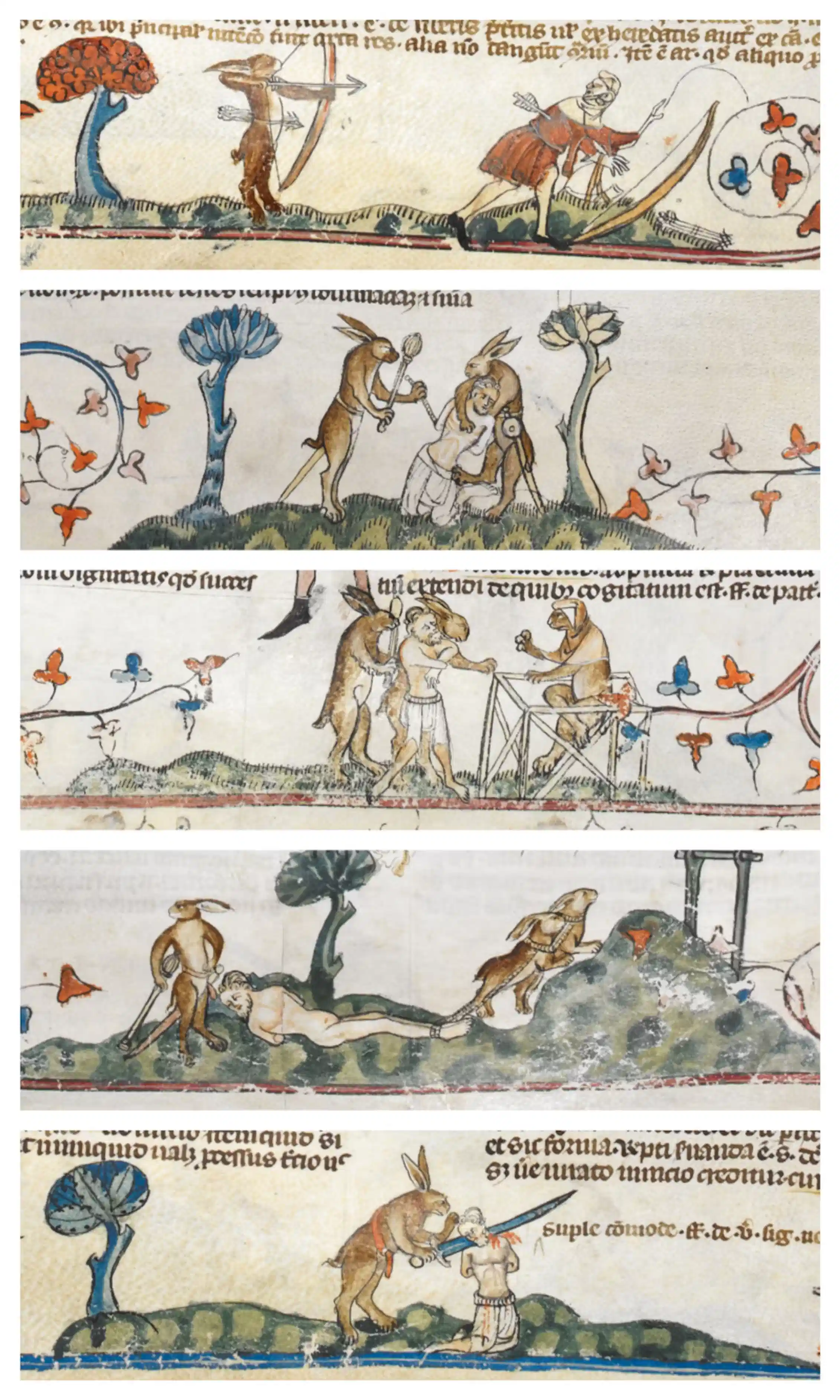
After the Peasants’ Revolt of 1381, Parliament passed a 1390 law against labourers and artisans hunting game. The stated fear was that hunting could conceal plans for rebellion; the restrictions covered rabbits and the tools used to catch them.
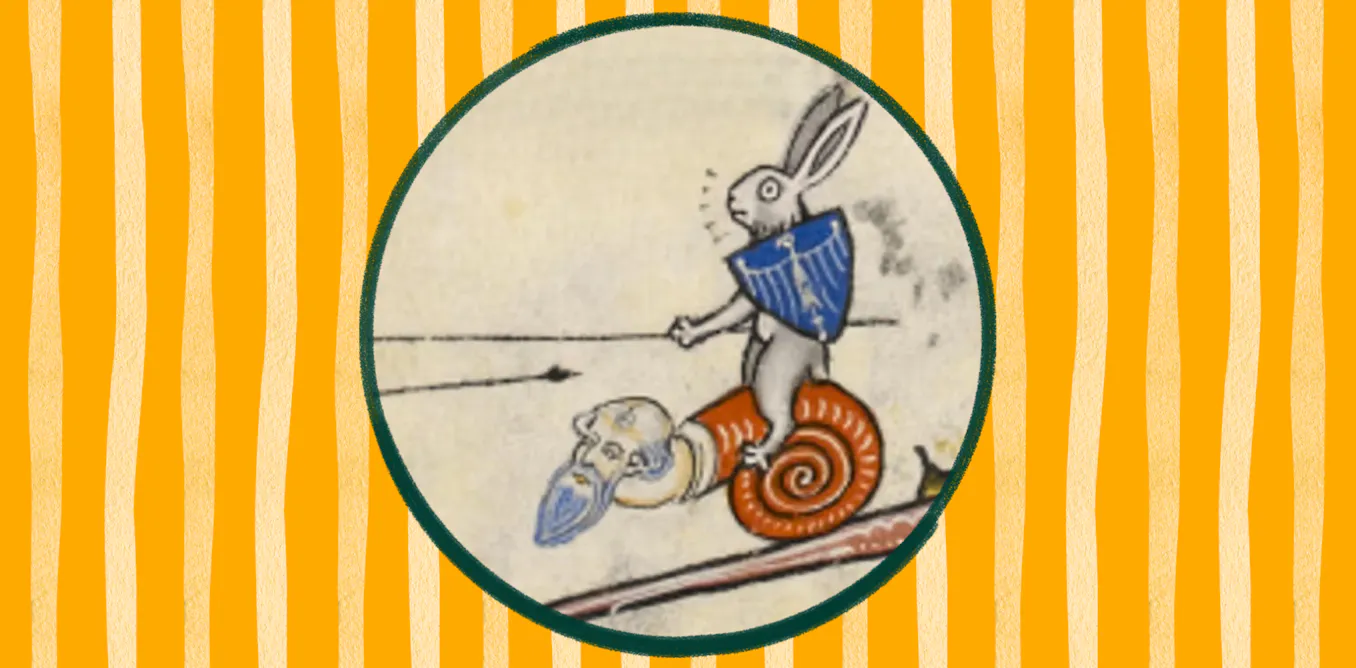
Medieval manuscripts also used rabbits and hares for comic social inversion. The article compares that imagery with the fictional Killer Rabbit of Caerbannog in Monty Python and the Holy Grail (1975), describing it as a modern adaptation of the same ironic tradition.
Key points
- Documentary evidence of rabbits in the British Isles begins in the Norman period, despite a rabbit bone from Roman Britain.
- Henry III treated rabbits as a valuable delicacy, giving ten live animals to Geoffrey Despenser in 1235.
- After the Black Death, rabbits became more accessible to wealthier peasants and aspiring craftsmen.
- Growing rabbit populations damaged crops, while a 1390 law restricted hunting by labourers and artisans.