Colder weather is coming very quickly: Here’s how to stay safe as temperatures plunge
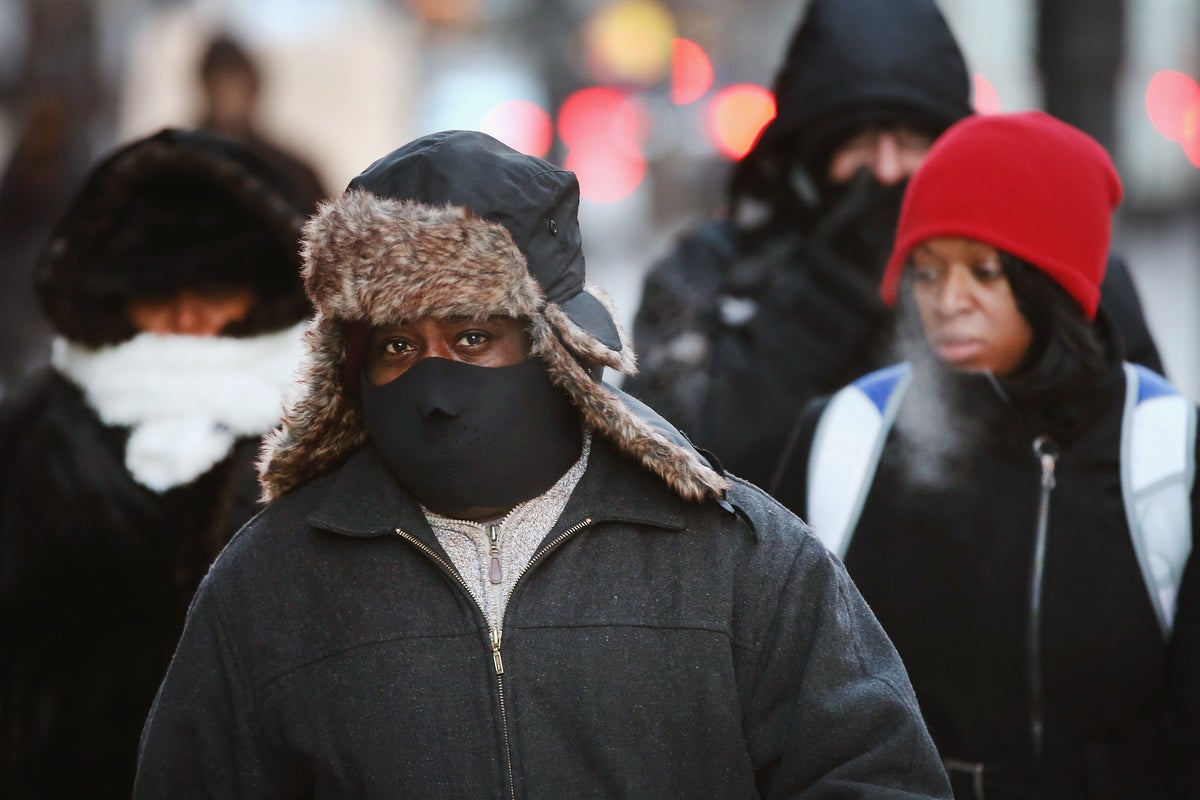
A sharp drop in temperatures
Forecasters are projecting a 40-degree temperature drop for the East Coast this weekend. Although the strengthening El Niño pattern is expected to bring above-average temperatures across the U.S. this winter, life-threatening cold is still possible.
Federal data cited in the report show that cold weather contributes to more than 1,000 deaths in the U.S. annually. Stephen Cheung, a kinesiology professor at Canada’s Brock University, told The New York Times to take warnings seriously and prepare for risks.
Cold affects the body
Exposure to cold can cause hypothermia and frostbite, and blood pressure can rise in as little as 20 minutes. The Mayo Clinic says low temperatures narrow blood vessels, making the heart work harder to move blood through the body and increasing the risk of heart attack and stroke.
Hypothermia occurs when the body’s core temperature falls below 95 degrees Fahrenheit, or 35 degrees Celsius. It can interfere with a person’s ability to think or move.
Dress warmly and stay dry
Morgan also advises avoiding time outdoors in wet hair or clothing, which can make someone feel colder. Smoking and drinking alcohol can increase sensitivity to cold because they narrow blood vessels.
Recognize frostbite and get help
Early frostbite may make skin red and painful; it can later turn grayish-yellow and feel waxy or numb. In severe cases, blisters may develop and the skin can turn black as tissue dies, a condition known as gangrene.
Anyone with hypothermia or frostbite should seek medical attention immediately. If care is not available right away, skin-to-skin contact beneath loose, dry blankets, clothing, towels or sheets can help warm the person.
Key points
- Forecasters expect a 40-degree temperature drop on the East Coast this weekend.
- Cold weather contributes to more than 1,000 U.S. deaths each year.
- Wear warm, waterproof layers and avoid going outside in wet clothing or hair.
- Seek immediate medical care for suspected hypothermia or frostbite.