Iran
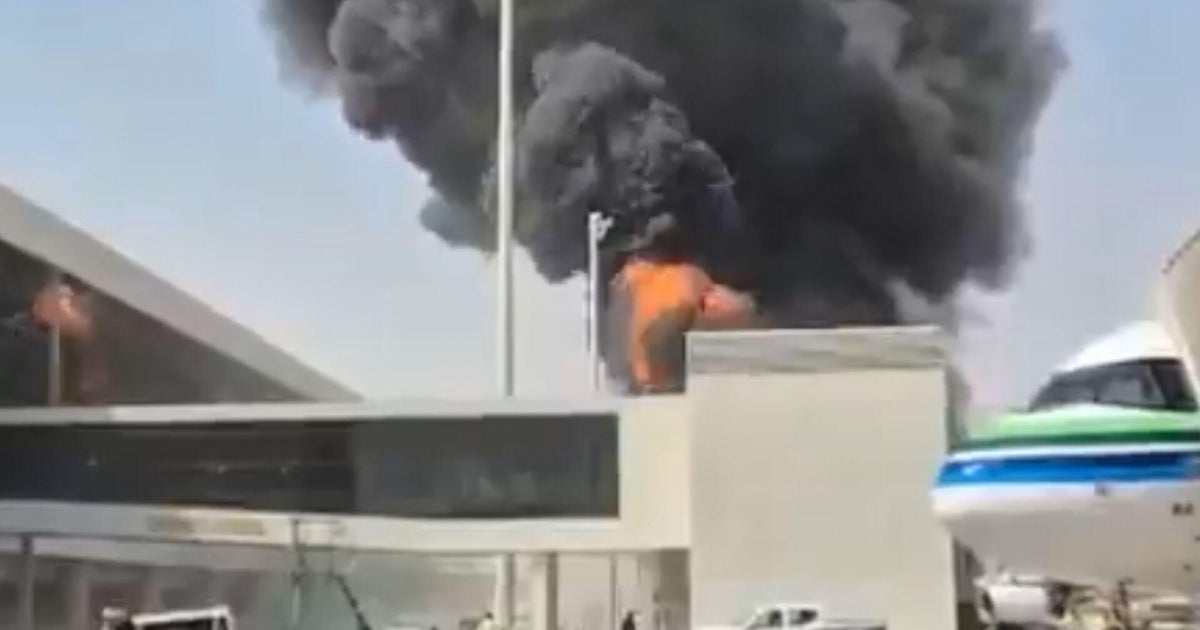
London — Yemen's Iran-backed Houthi rebels have dramatically upped the stakes in the complex Middle East war, killing at least 20 people — including an American — and wounding hundreds more with strikes on Saudi Arabia's airports over the last week.
Mr. Trump campaigned on ending wars, and he is likely aware, less than a month before the U.S. midterm elections, that opening a new U.S. front in the wider conflict sparked by the Feb. 28 joint U.S.-Israeli attack on Iran could be politically perilous.
Mr. Trump rejected a request last month by Saudi Crown Prince Mohammed bin Salman to join in the kingdom's strikes on the Houthis, two sources familiar with the matter told CBS News. He came close to ordering airstrikes against the group a week later, but again declined.
So, what has changed, and will it be enough to force Mr. Trump's hand?
According to Nadwa al-Dawsari, associate fellow at the Middle East Institute, it may not be enough in itself, however, to spur the president to further entrench the U.S. in the wider regional conflict.
The Trump administration insists Iran has no control over the Strait of Hormuz, and more oil has been getting out of the Middle East from the Persian Gulf in recent weeks.
If the Houthis are able to control Yemen's coastline, or enough of it to maintain their threat to shipping via the Bab el-Mandeb, it would put more pressure on energy flows, increasing the leverage Iran and its proxy groups have over global fuel prices.
"Direct U.S. involvement would likely lead to greater tension in the Red Sea, and therefore create more upward pressure on oil prices," he said. "Should the U.S. refuse to become directly engaged, however, it will cause growing resentment and anger in Saudi Arabia, where feelings of abandonment caused by a widespread perception that the U.S. is failing to support its partner at a time of need are already acute."
Despite long-running U.S. accusations that some members of the Saudi leadership supported the al Qaeda Sept. 11 hijackers, and the fallout from the brutal murder of journalist Jamal Khashoggi in 2018, Saudi Arabia has managed to maneuver itself into a position of relative international respectability over the last few years, pursuing a raft of economic reforms to attract foreign investment and building on its status as the world's top oil exporter.
Saudi authorities regularly report intercepting Houthi weapons. But the death toll over the last week has exposed gaping holes in Saudi defenses. The Reuters news agency reported Tuesday that the Saudi system to warn civilians of a military attack went silent days before the latest series of deadly Houthi strikes.
"The United States can also strengthen air and missile defense cooperation and help identify Houthi launch sites, weapons facilities, and command-and-control infrastructure," al-Dawsari said.
"The real question is whether American military action would be part of a broader effort to weaken the Houthis, or simply another round of limited strikes that they can absorb and recover from," she said.
Dive deeper
- London — Yemen's Iran-backed Houthi rebels have dramatically upped the stakes in the complex Middle East war, killing at least 20 people — including an American — and wounding hundreds more with strikes on Saudi Arabia's airports over the l
- Mr. Trump campaigned on ending wars, and he is likely aware, less than a month before the U.S. midterm elections, that opening a new U.S. front in the wider conflict sparked by the Feb. 28 joint U.S.-Israeli attack on Iran could be politica
- Mr. Trump rejected a request last month by Saudi Crown Prince Mohammed bin Salman to join in the kingdom's strikes on the Houthis, two sources familiar with the matter told CBS News. He came close to ordering airstrikes against the group a
- So, what has changed, and will it be enough to force Mr. Trump's hand?
- According to Nadwa al-Dawsari, associate fellow at the Middle East Institute, it may not be enough in itself, however, to spur the president to further entrench the U.S. in the wider regional conflict.