The dawn of the age of the exoskeleton
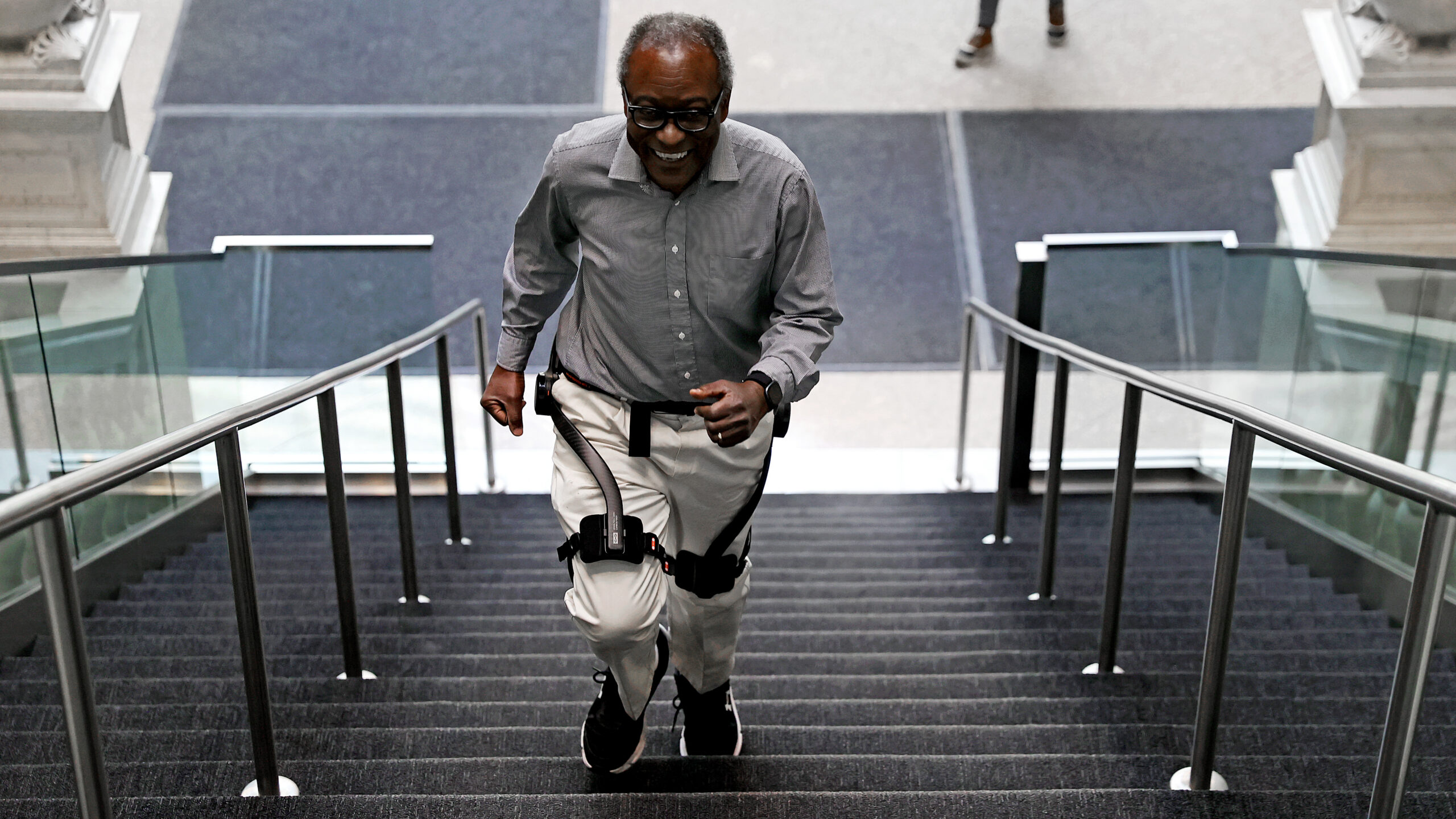
Seattle Mountain Rescue members are testing powered devices worn around the hips and legs during wilderness missions. The equipment is intended to help with climbing and carrying loads, and the team is assessing whether it improves rescuers’ speed and stamina when searching for missing people.
These wearable frames, known as exoskeletons, use mechanical support to boost physical ability. Employers including IKEA, Ford, Boeing and Mazda Toyota have introduced them for some demanding warehouse and factory work.
A Finnish project examining rescue and firefighting tasks found that the devices eased strain in some practical situations. Ukraine’s military has also said soldiers used them to carry artillery shells; reported tests linked their use with less fatigue and faster work.
Devices for daily assistance, rehabilitation and exercise are also on sale. Estimates put the sector’s current value near $500 million and forecast it may reach two or three times that size by the mid-2030s.
More affordable motors, sensors and control systems have helped advance the technology over the past decade. The idea has much older roots, with wearable-device patents dating to 1890 and 1919; research later produced electronically controlled robotic models. Exoskeleton development continues across commercial and clinical uses.
Key points
- Seattle Mountain Rescue is testing leg-support devices on wilderness searches.
- Finnish research found reduced strain in some rescue and firefighting tasks.
- The sector could grow two- or threefold by the mid-2030s.