The early universe wasn’t nearly as pristine as scientists thought
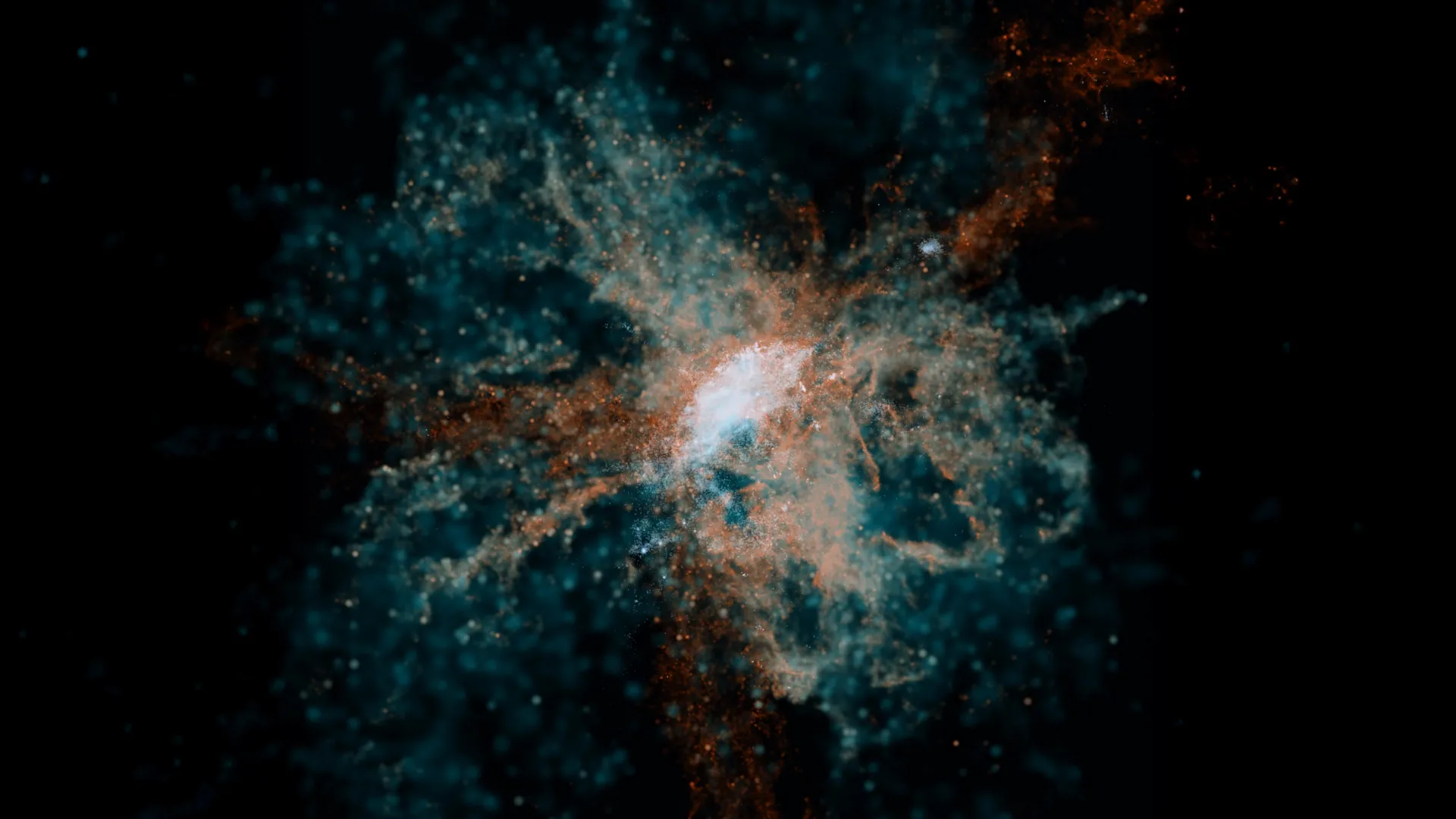
A study led by University of Arizona astronomers found signs that some of the universe’s earliest galaxies had already released heavier elements into nearby gas roughly 500 million years after the Big Bang.
Scientists had expected gas around these young galaxies to contain mostly hydrogen and helium. The new evidence suggests elements including carbon, oxygen and silicon were present beyond the galaxies sooner than anticipated.
The team examined three distant galaxies using spectra collected by NASA’s James Webb Space Telescope. Researchers identified faint patterns showing that light from the galaxies had been absorbed by surrounding gas containing heavier elements.
Stars produce these elements and release them into space as they evolve and die. Their spread can supply material for later stars and planets, and contributes to the chemistry associated with life.
The observations also come from the Epoch of Reionization, when early stars and galaxies changed the state of hydrogen between galaxies. The study offers evidence about how quickly the first galaxies enriched their surroundings; the article reports no further steps planned by the researchers.
Key points
- Three early galaxies showed signs of carbon, oxygen and silicon in surrounding gas.
- JWST’s infrared observations enabled researchers to study the galaxies as they appeared about 500 million years after the Big Bang.
- The findings suggest heavier elements spread through the early universe earlier than scientists expected.