October 1 ushered in a new era in U.S. foreign aid. What's the plan? Will it work?
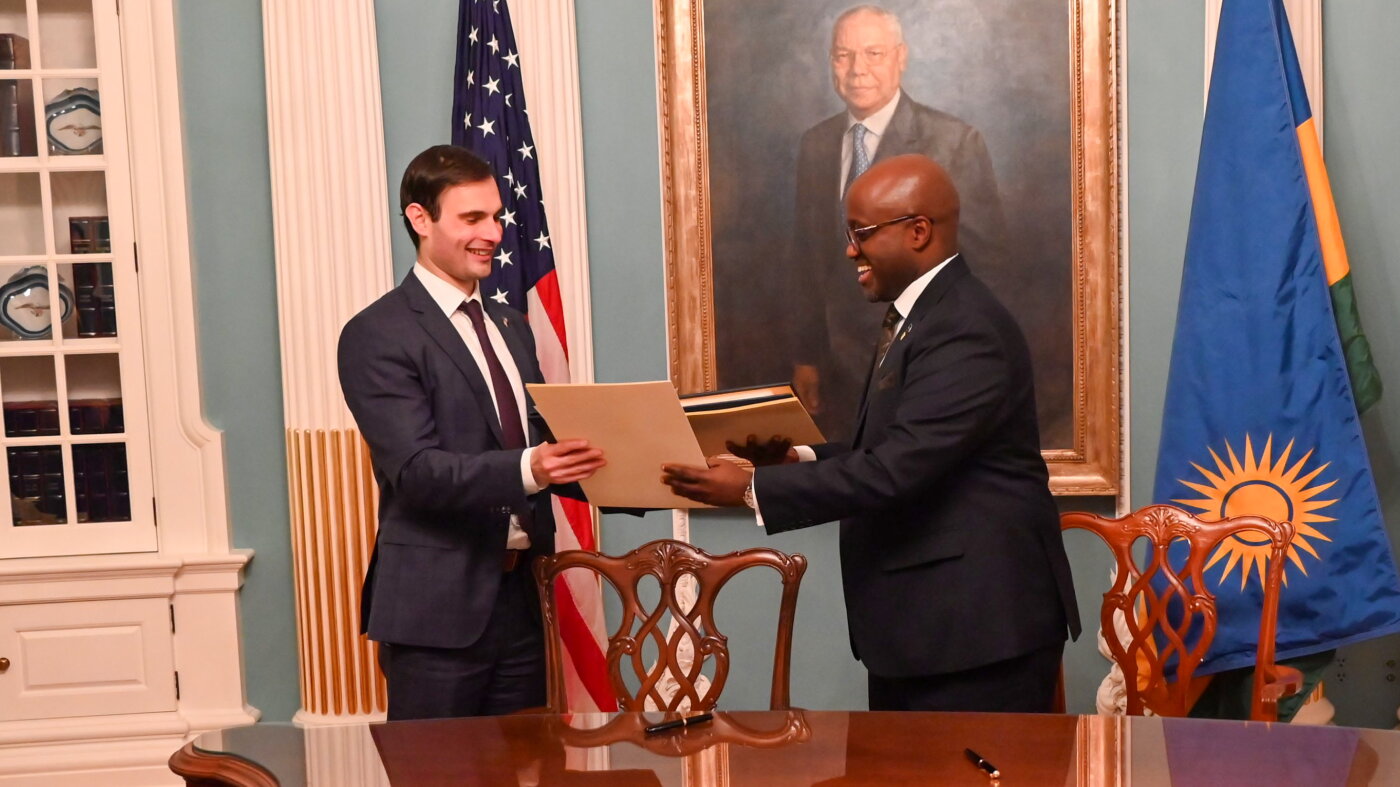
The Trump administration says October 1 began a new approach to U.S. global health assistance, called the America First Global Health Strategy. It changes how funding for health programs in lower- and middle-income countries is arranged.
Under the plan, governments seeking U.S. funding must sign multi-year agreements that specify the American contribution and the recipient country’s own financial pledge. The administration also says assistance should produce tangible benefits for the United States, such as access to minerals.
Officials argue that requiring countries to contribute will encourage self-reliance and reduce dependence on American aid. The State Department says the strategy is intended to guard against infectious disease, strengthen bilateral ties and promote U.S. health innovation.
The change comes after major U.S. aid cuts in 2025 and the dismantling of USAID. The United States remains the largest global health donor, though earlier administrations also viewed such spending as a way to build goodwill and influence.
Jocilyn Estes of the Center for Global Development sees merit in countries sharing costs, but questions whether the policy is being introduced too quickly. Governments have responded differently, and the agreements will determine how much each side funds programs and what benefits the United States receives.
Key points
- Countries must pledge their own funding to qualify for U.S. health assistance.
- The administration says shared costs will help nations become less dependent on aid.
- An aid expert warns the rollout may be too rapid; responses from countries vary.