97-million-year-old fossils reveal the earliest known animal “GPS”
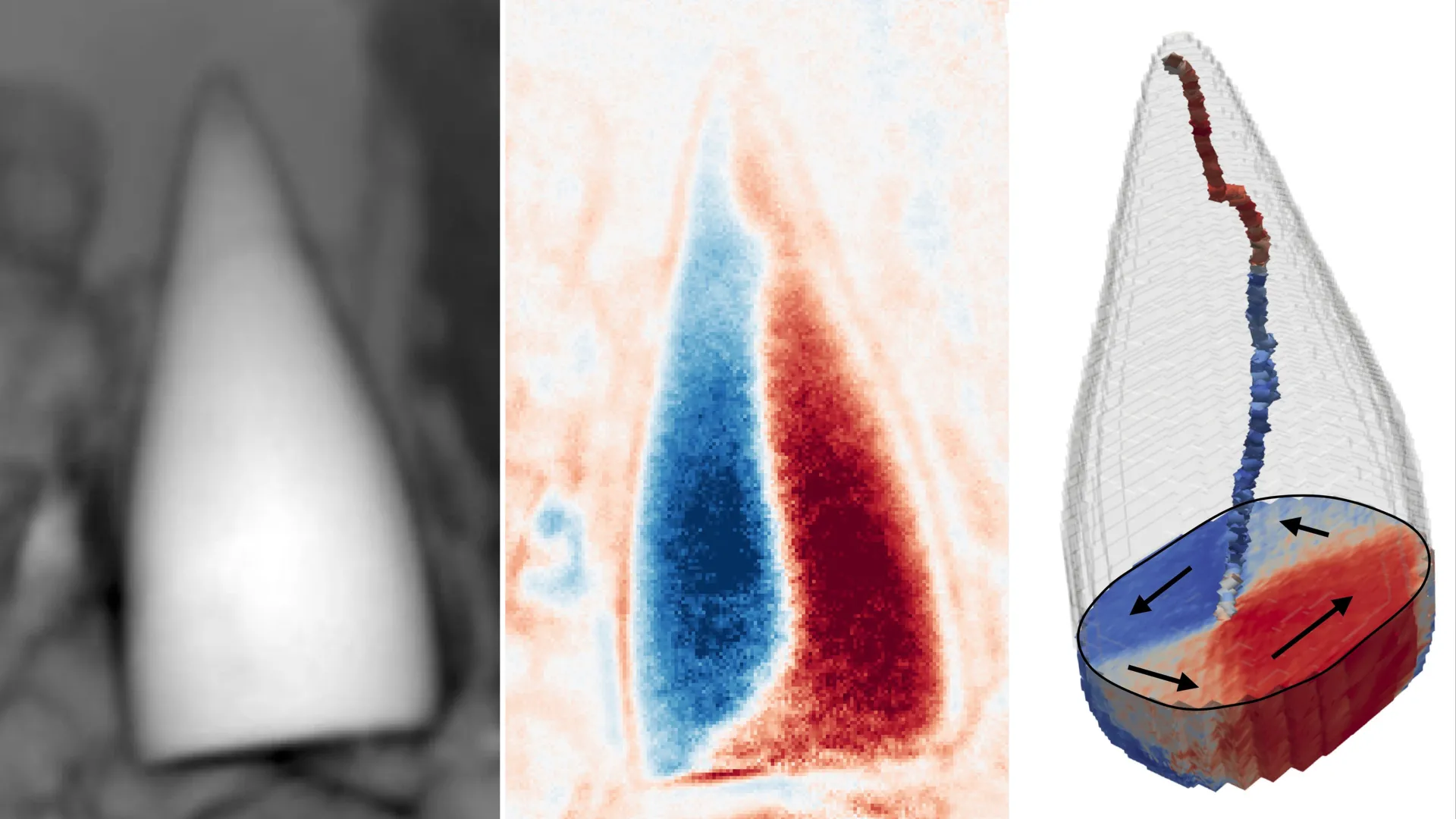
Researchers say tiny magnetic fossils found in ancient North Atlantic seafloor deposits may offer the earliest evidence of animal navigation using Earth’s magnetic field. The fossils date to about 97 million years ago, but the organism that made them is unknown.
The structures, called magnetofossils, are about 10 to 20 times larger than magnetic particles used by some bacteria. Scientists had previously been unsure what created them or what role they played.
Teams from the University of Cambridge and Helmholtz Zentrum Berlin made the first 3D images of the fossils’ internal magnetic structure. The features suggest they could detect both the direction and intensity of Earth’s magnetic field, potentially helping an animal work out its position and route.
The study, published in Communications Earth & Environment, provides what researchers describe as the first direct evidence of animal navigation by the magnetic field at least 97 million years ago. It may shed light on magnetoreception, a sense used by birds, fish and insects but still poorly understood.
The fossils’ maker and the exact biological mechanism remain unresolved. Researchers hope the findings will help explain how magnetic navigation developed in animals.
Key points
- Magnetic fossils in North Atlantic sediments date back around 97 million years.
- 3D imaging suggests the fossils could detect the direction and strength of Earth’s magnetic field.
- The findings may help explain how magnetoreception evolved, though the organism remains unidentified.