
Morning
Jackson Square
French Quarter
Stroll the square and admire its historic buildings and lively street scene.
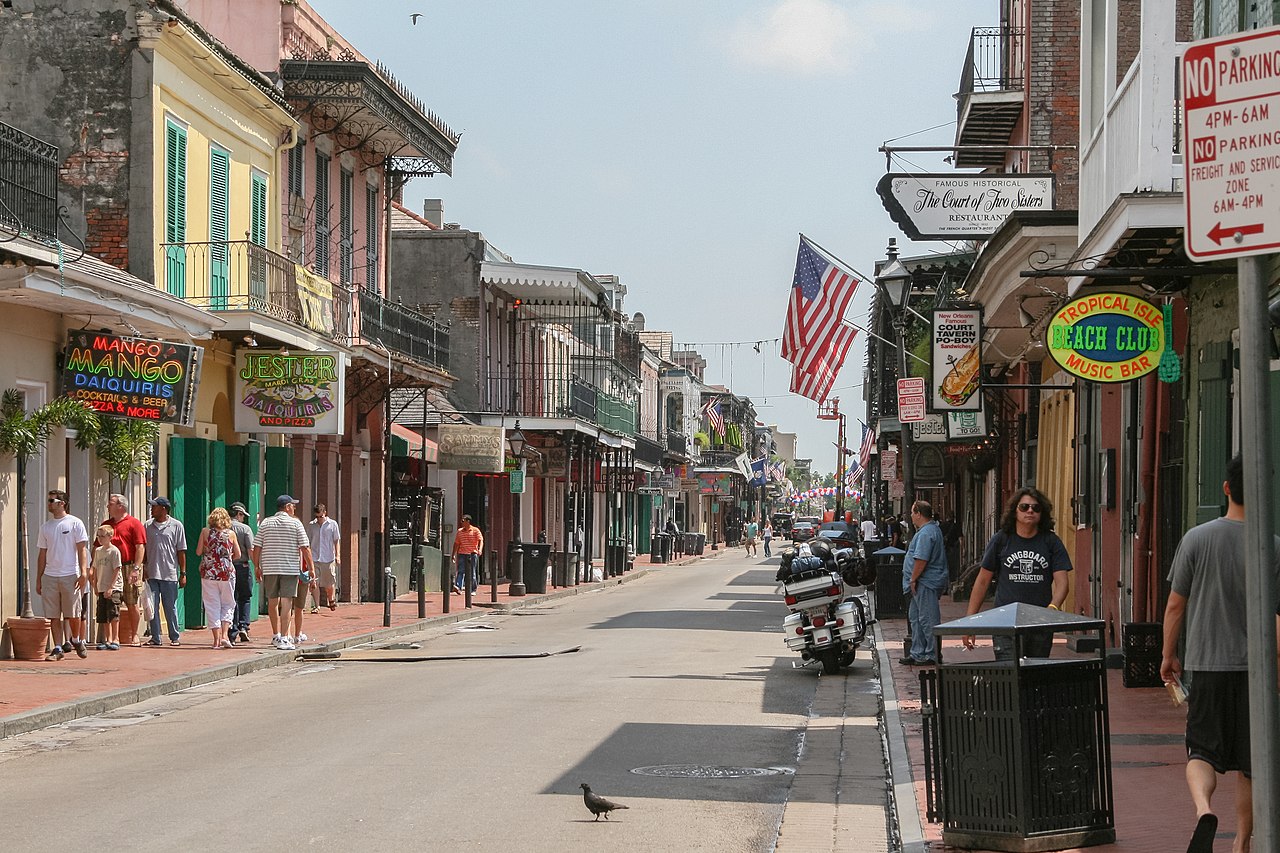
A gentle three-day introduction to New Orleans, with time for historic streets, river views and local food.
The most comfortable months for walking about are March and November: mild days and less rain. The warmest month is August, at about 87°F (31°C) in the afternoon. The wettest is August.
Bars show the typical night-time low to daytime high; the numbers are daytime highs in °F and rain in millimetres for the month. Averages for 2001–2020 from NASA POWER, so a given year can be warmer, colder or wetter.
Written with AI from public facts about New Orleans, then checked by Sureno's rules. Opening times and prices change: check them before you go.
French Quarter
Stroll the square and admire its historic buildings and lively street scene.

French Quarter
Step inside if open, or enjoy the cathedral’s exterior from the square.

French Quarter
Try beignets and café au lait at this well-known French Quarter café.

French Quarter
Take an easy riverside stroll and watch ships pass on the Mississippi.
City Park
Relax among the park’s oak trees and gardens, choosing a short, comfortable visit.

Garden District
Enjoy classic New Orleans dining in the Garden District; check current details before visiting.
Garden District
See historic homes and leafy streets at an unhurried pace.

Uptown
Rest in the shade and enjoy the park’s greenery and walking paths.

Faubourg Marigny
Choose a nearby restaurant and enjoy the neighborhood’s music scene from a comfortable seat.
The official New Orleans tourism siteWhere to sleep, on Wikivoyage
New Orleans is a consolidated city-parish located along the Mississippi River in the U.S. state of Louisiana. With a population of 383,997 at the 2020 census, New Orleans is the most populous city in Louisiana, the second-most populous in the Deep South, and the twelfth-most populous in the Southeastern United States; the New Orleans metropolitan area, with about 1 million residents, is the 59th-most populous metropolitan area in the United States. New Orleans serves as a major port and commercial hub for the broader Gulf Coast region. The city is coextensive with Orleans Parish.
From Wikipedia (CC BY-SA 4.0).
Photos: Wikimedia Commons, credited on each picture. Climate: NASA POWER (public domain). Introduction: Wikipedia (CC BY-SA). The plan was written with AI from those public facts.


