

DC Unveils Female Justice League Lineup: Members and Powers Explained
A lineup across League history
The Justice League began in 1960 with Wonder Woman as the only woman among its seven founding heroes. Over time, members such as Black Canary, Zatanna, Hawkgirl, Vixen, Fire, Ice, Power Girl, Oracle, Big Barda, Jessica Cruz, Mera and Hawkwoman joined the ranks.
Some heroines gained wider recognition through their League appearances, including Zatanna, Vixen, Gypsy and Kimiyo Hoshi. Others, such as Supergirl, Batgirl, Black Canary, Big Barda and Mera, were already popular before joining.
Six heroines on the cover
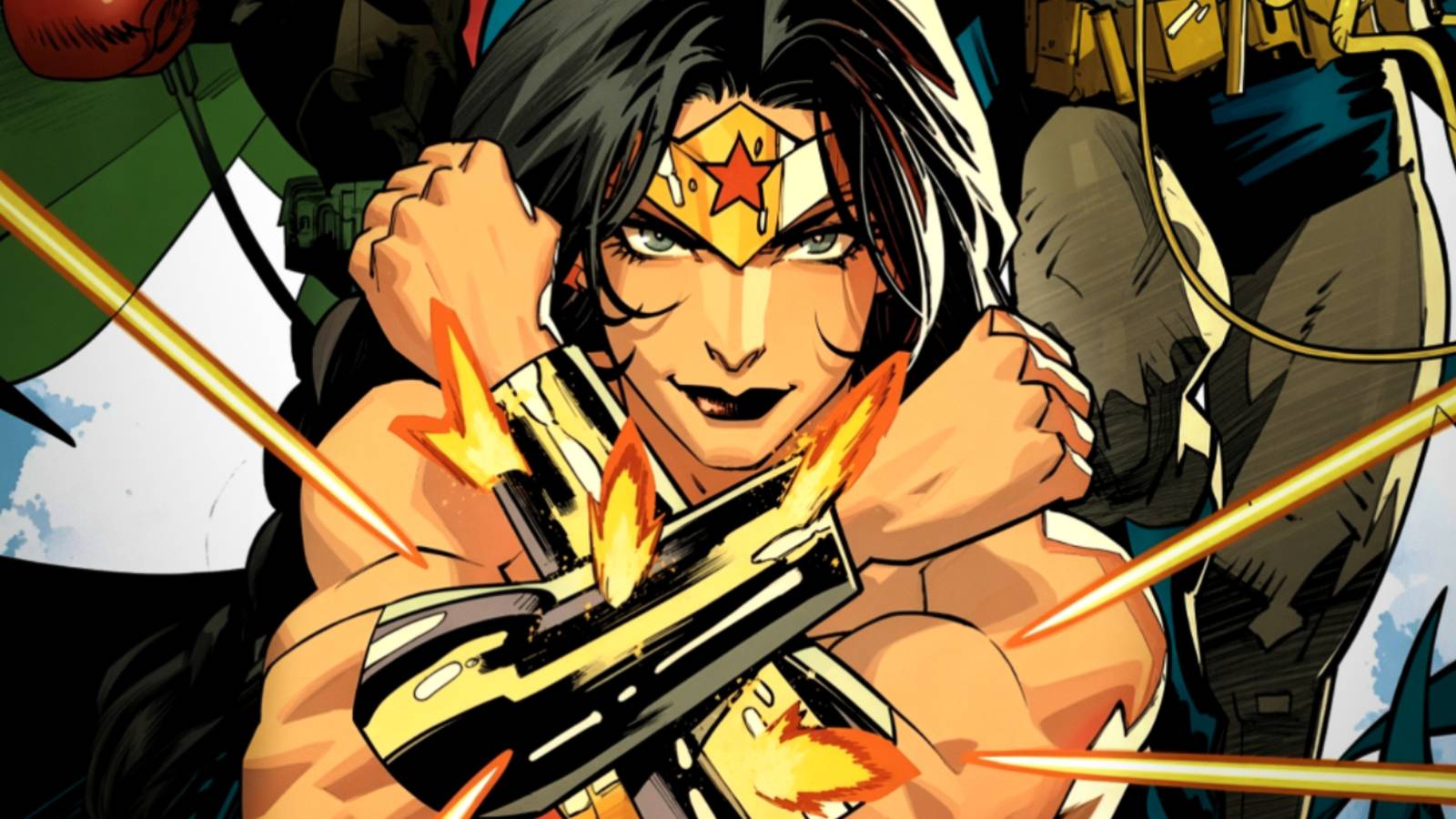
Justice League Unlimited #25 is written by Mark Waid, with art by Dan Mora and Tamra Bonvillain. Nathan Szerdy’s variant cover echoes Jim Lee’s Justice League #1 New 52 cover, replacing its traditional male founders with women heroes.
Wonder Woman stands at the center. Dreamer takes Green Lantern’s place, Mary Marvel rises in Superman’s pose, Star Sapphire channels violet energy, Vixen charges forward, the Question occupies Batman’s position, and Owlwoman appears in a mid-stride pose associated with Flash.
Distinct abilities and origins
The article describes Wonder Woman as having superhuman strength, speed and durability, along with flight, combat mastery and divine weaponry. Mary Marvel transforms by saying “Shazam,” gaining wisdom, strength, stamina, power, courage and speed.
Star Sapphire’s Violet Power Ring is fueled by love and enables flight, energy constructs, force fields and crystal entrapment. Vixen uses the Tantu Totem to channel the morphogenetic field and mimic any animal’s abilities.
The Question is a master detective and hand-to-hand combatant who investigates at street level and wears a Pseudoderm mask. Owlwoman, originally an 853rd-century hero from DC One Million, has genius-level scientific and mechanical intellect and universal telepathy through the “Headnet”; she was displaced into the present during the DC K.O. tournament.
A chance for a shared mission
Mary Marvel debuted in 1942’s Captain Marvel Adventures #18, making her one of the earliest famous female superheroes. Owlwoman is described as the newest addition to the team in the main DC timeline, while Dreamer is central to the current story and helps Earth’s heroes prepare for Darkseid’s impending crisis.
The article contrasts the comic’s opportunity for sustained storytelling with the all-female Avengers moment in Avengers: Endgame, which drew criticism for feeling contrived. Justice League Unlimited’s monthly format gives Waid and Mora room to establish a narrative reason for the heroines to join forces.
Key points
- Nathan Szerdy’s Justice League Unlimited #25 variant features six female heroes alongside Wonder Woman.
- The lineup includes Dreamer, Mary Marvel, Star Sapphire, Vixen, the Question and Owlwoman.
- Their powers range from animal mimicry and telepathy to ring-based energy constructs.
- The comic’s ongoing format could build a shared reason for the heroines to team up.