

Community concerns persist as Army prepares to detonate unstable lead explosives at Iowa munitions plant despite legal challenge
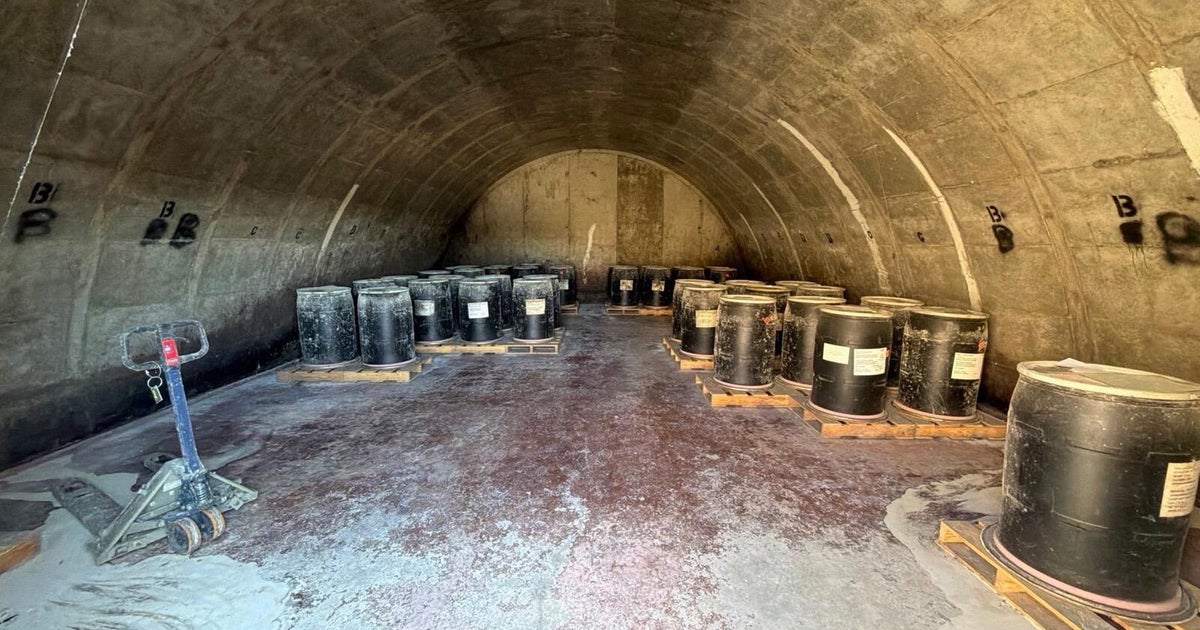
A volatile stockpile in storage
The plant holds about 68 barrels of lead azide, a material used in ammunition since World War I. The Environmental Protection Agency says the explosives degraded during roughly 20 years in storage.
Residents raised plume concerns
The Army has argued that a controlled detonation is needed to address the risk that the stockpile could explode without warning. Environmental groups and local residents sought to stop the plan. They fear the blast could send a toxic plume of lead dust across the region, with potential consequences for health and agriculture.
Court allows operation to proceed
The 8th Circuit Court of Appeals initially blocked the detonation, delaying it by several days. On Monday, the court lifted that ruling. The court recognized the risks associated with the planned blast but concluded that an uncontrolled explosion posed a greater danger.
Army cites changing temperatures
Army Maj. Gen. Eric Shirley, who commands the operation, said Tuesday, “Inaction is no longer an option.” He called proceeding the responsible course of action.
Key points
- The Army plans to detonate about 10,000 pounds of lead azide in Iowa on Wednesday morning.
- The stockpile consists of about 68 barrels stored for roughly 20 years.
- Residents and environmental groups fear lead dust could affect health and agriculture.
- The 8th Circuit lifted its order blocking the operation, finding an uncontrolled explosion more harmful.