

Africa’s opposition voices face growing pressure as political freedoms are challenged
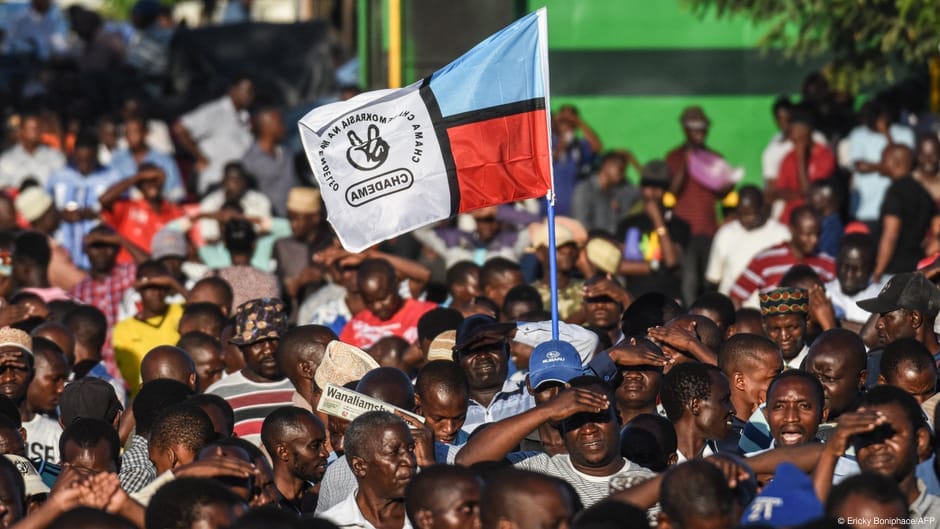
Limits on public activity in Cameroon
Opposition leaders in Cameroon say public meetings are difficult to organize and that their proposals receive little attention in parliament. Nda Grimbald, deputy secretary-general of the Social Democratic Front, said authorities do not authorize rallies and meetings, and that private members’ bills are not heard.
Cameroonian law protects freedom of assembly but permits restrictions on public order or national security grounds. Organizers must also notify officials in advance. Citizen Ngam Glory Ani Mbom said fear of arrest and violence discourages political participation, adding that people cannot freely express their views when opposition supporters face limits.
Court cases in Tanzania and Mozambique
Lissu called the case political persecution and rejected the conviction. Tanzania’s chief government spokesperson, Gerson Msigwa, dismissed claims of political repression and human rights violations as unfounded and misleading.
In Mozambique, opposition figure Venancio Mondlane faces five charges tied to protests after the disputed 2024 election, including incitement to terrorism and public advocacy of crime. Prosecutors allege he encouraged violence and civil disobedience; Mondlane denies the charges and said his statements sought to prevent violence. Supreme Court spokesperson Pedro Sinai Nhatitima defended the decision not to broadcast the trial live and said the court would rule according to law.
Police action in Nigeria
In Borno State, police arrested five men wearing T-shirts with the slogan “Tinubu Must Go!” Police said the men were not detained for their political views, but were found with suspected drugs and other items. They face allegations including public disturbance and thuggery. In Kano, police blocked access to a venue where a meeting had been planned, citing public safety concerns.
Election concerns in Zambia
Opposition leader Brian Mundubile criticized what he described as a retreat from democratic rights after courts closed on August 24, the final day to file a presidential election petition. The judiciary cited security reasons, while police said security assessments were under way at government institutions.
Key points
- Opposition figures in five countries say legal action and public restrictions impede political challenges.
- Officials in each case cite legal authority, security concerns or public order.
- Tundu Lissu was acquitted of treason but convicted of incitement and sentenced to four years.
- Authorities in Tanzania and Mozambique reject claims that political proceedings are improperly influenced.