

41 Years Ago, Calvin and Hobbes Introduced the One Detail That Would End The Strip
A wagon enters the story
The November 30, 1985, installment was the first time readers saw Calvin’s wagon. In the four-panel, black-and-white strip, Calvin and Hobbes discuss fate and predestination, with Hobbes calling the idea a “scary thought.” The installment was the strip’s 13th. It also gave Calvin a chance to show a more reflective side than the bratty, underachieving child readers had seen up to that point.
Playful rides, deeper themes
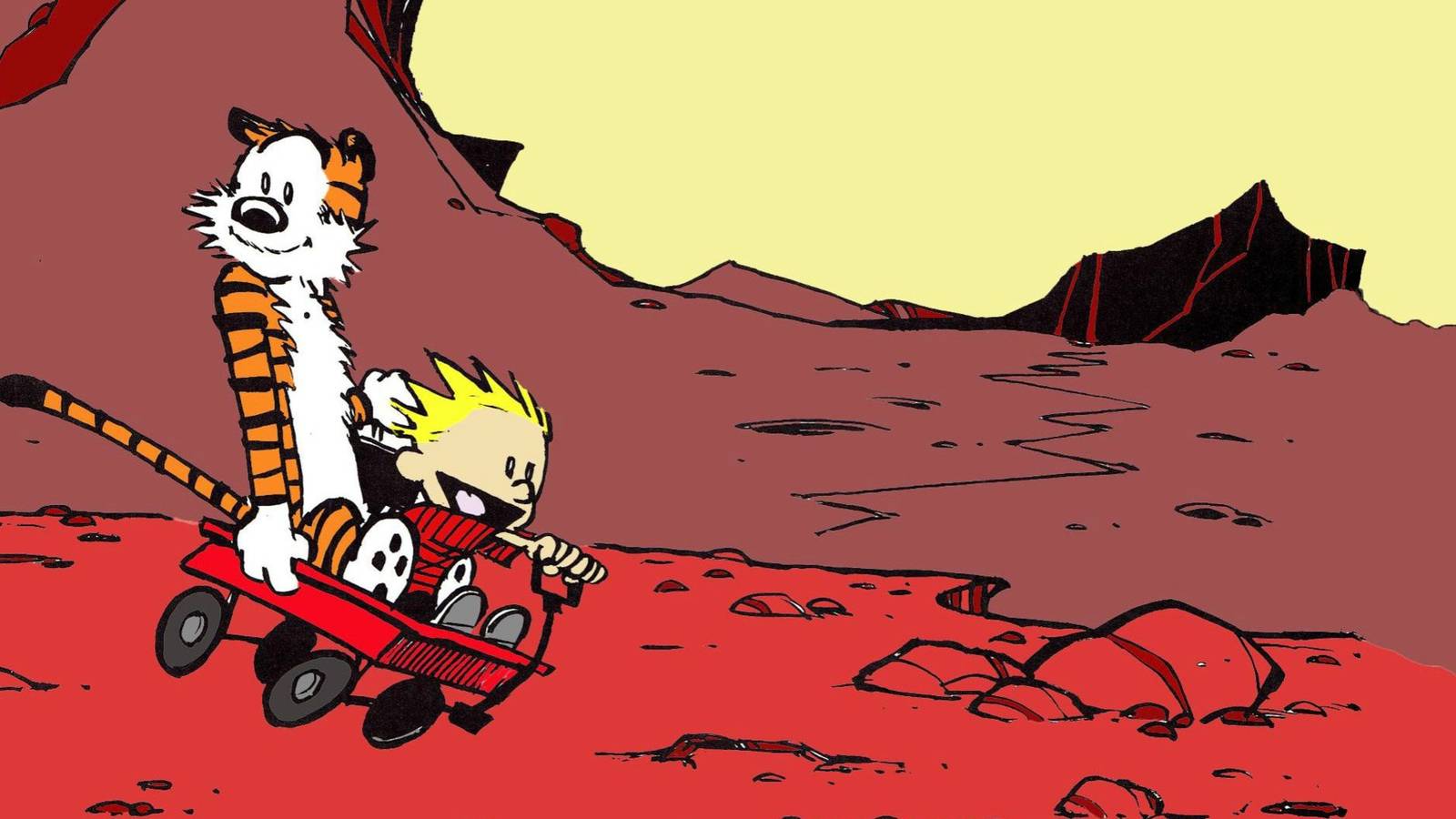
The wagon became a familiar part of Calvin and Hobbes, carrying the pair through rides in the woods. It also served as a setting for conversations about philosophy, theology and other weighty subjects.
Watterson used an ordinary childhood object to create room for serious thoughts within the strip’s adventures. The comic explored themes including fate, grief and first love, alongside Calvin and Hobbes’ antics.
A lasting role in the finale
Calvin and Hobbes ran for a decade after launching in November 1985. During that time, the wagon became closely associated with the strip, alongside Calvin’s imagination and his interactions with Susie Derkins.
The 1995 finale showed Calvin and Hobbes riding away in the wagon. The object first introduced in 1985 thus became part of the comic’s closing image.
Key points
- The wagon first appeared in the 13th installment, dated November 30, 1985.
- That installment paired the wagon’s debut with a discussion of fate and predestination.
- The wagon became a setting for the strip’s philosophical conversations.
- Calvin and Hobbes’ 1995 finale sent the duo off in the wagon.