

What’s happening in Sudan? The civil war the world forgot is spreading
A power struggle turns to war
The conflict followed a 2021 coup by two generals who had joined forces after the 2019 uprising removed Omar al-Bashir. They had formed a joint government with a civilian prime minister.
Their rivalry came to a head in April 2023, largely over plans to place the 100,000-strong Rapid Support Forces (RSF) under army command. Rights groups say evidence is mounting that the UAE funded the RSF in violation of arms embargoes; the Emirates denies this. The RSF accuses Egypt and Iran of backing the army.
Violence and disputed death tolls
There is no official count of those killed. Conflict monitor Acled has verified nearly 60,000 deaths, while other estimates put the toll as high as 150,000. A UN fact-finding mission said RSF killings targeting people by ethnicity, sexual violence and enforced disappearances in El Fasher bore the “hallmarks of genocide,” the mission said. The UN has also described rape as a weapon of war and said the scale and brutality of sexual violence are unprecedented.
Kordofan faces growing danger
The focus of the conflict has moved to Kordofan, a region linking Darfur with central Sudan. El Obeid, a city of around half a million people, is sheltering an estimated 100,000 displaced people but has faced intense drone strikes.
The UN has warned that patterns of violence seen in El Fasher are emerging in El Obeid. The article also reports famine in El Fasher in 2024 and in Kadugli, South Kordofan, in September 2025.
Key points
- Acled has verified nearly 60,000 deaths, while other estimates reach 150,000.
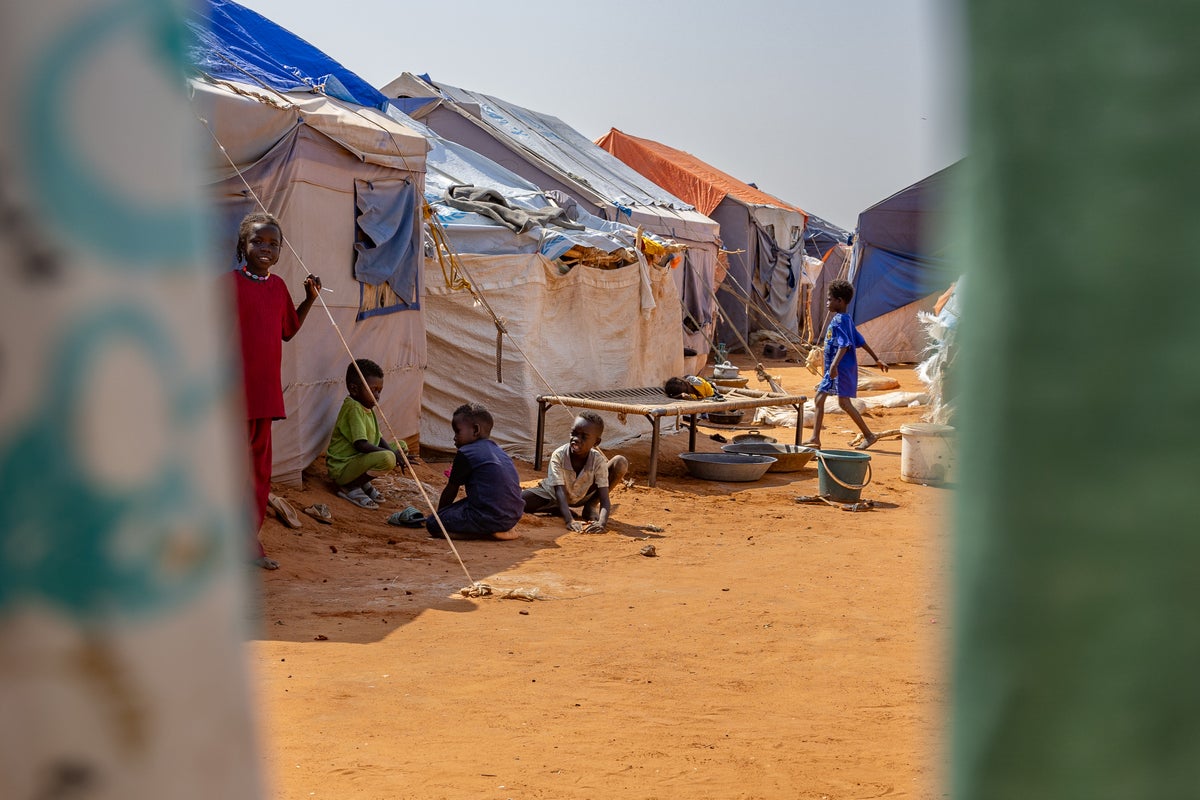
- At least 14 million people have been displaced within Sudan.
- Nearly 34 million people need aid, and 20 million face acute food insecurity.
- The UN says atrocities in El Fasher bear the hallmarks of genocide.