

Fortune: FAA ground stop exposes travel tech Delta CEO likens to 1960s: walkie talkie, paper doesn’t cut anymore
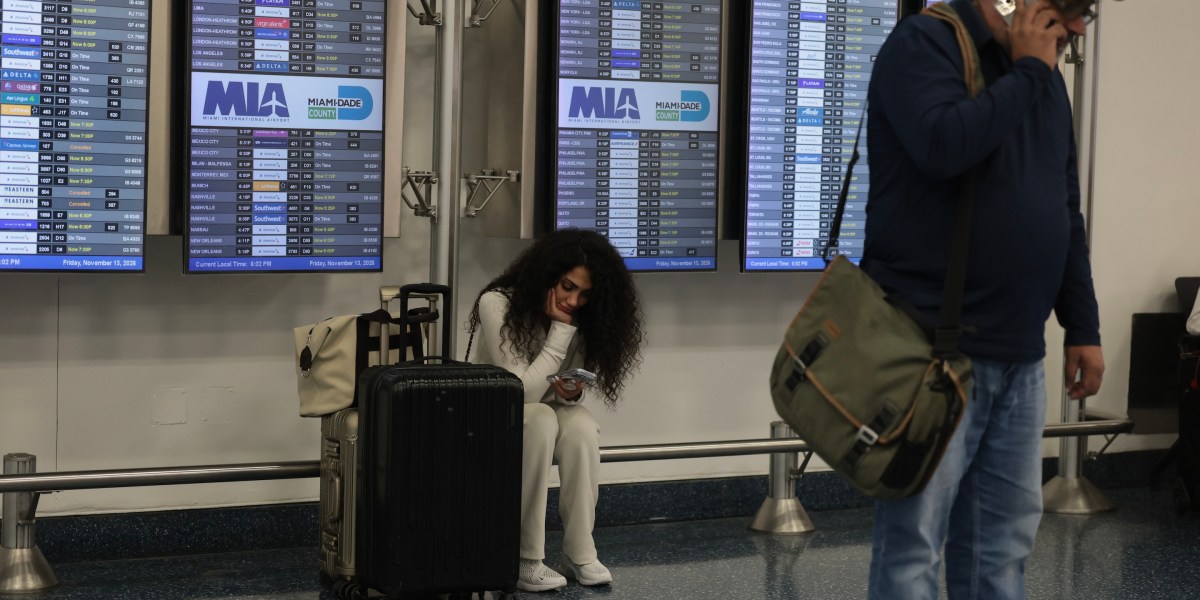
Restoring flights takes coordination
Resuming departures was only the first step. Aircraft, crews and schedules had to be brought back into alignment, a process that often relies on radios, spreadsheets and manual communication, said Javier Vidal, co-founder and CEO of Moonware, which develops software for coordinating airport ground operations.
Delays spread across the ramp
A delayed or canceled flight can disrupt the rest of a day’s schedule, Vidal said. Before departing again, an aircraft may need refueling, cleaning, food restocking and baggage handling; workers are often assigned to service multiple planes.
Ground staff are generally scheduled around expected arrival times, which may not match actual arrivals. If one plane is late and another arrives early, a worker assigned to both faces a conflict, and delays can cascade. Vidal said workers may not know which tasks have already been completed or what remains to be done.
Costs continue after departures resume
Airlines face costs from repositioning aircraft, rescheduling crews and helping stranded passengers. Travelers lose time, may miss work and can face unexpected expenses, while delayed cargo can disrupt businesses.
The article notes that past disruptions show how costly recovery can be, beginning with a faulty CrowdStrike software update that triggered roughly 7,000 cancellations. It provides no further details about that episode.
Key points
- The FAA lifted its nationwide ground stop more than four hours after it began Friday.
- Roughly 17,850 flights were canceled over three days, according to FlightAware.
- Officials linked the disruption to excess data affecting FAA communications and radar feeds; the cause remains under investigation.
- Airlines rely on manual coordination to reposition aircraft and bring crews and schedules back into sync.