

How Syfy’s 5-Season Zombie Series Breaks the Storytelling Rules
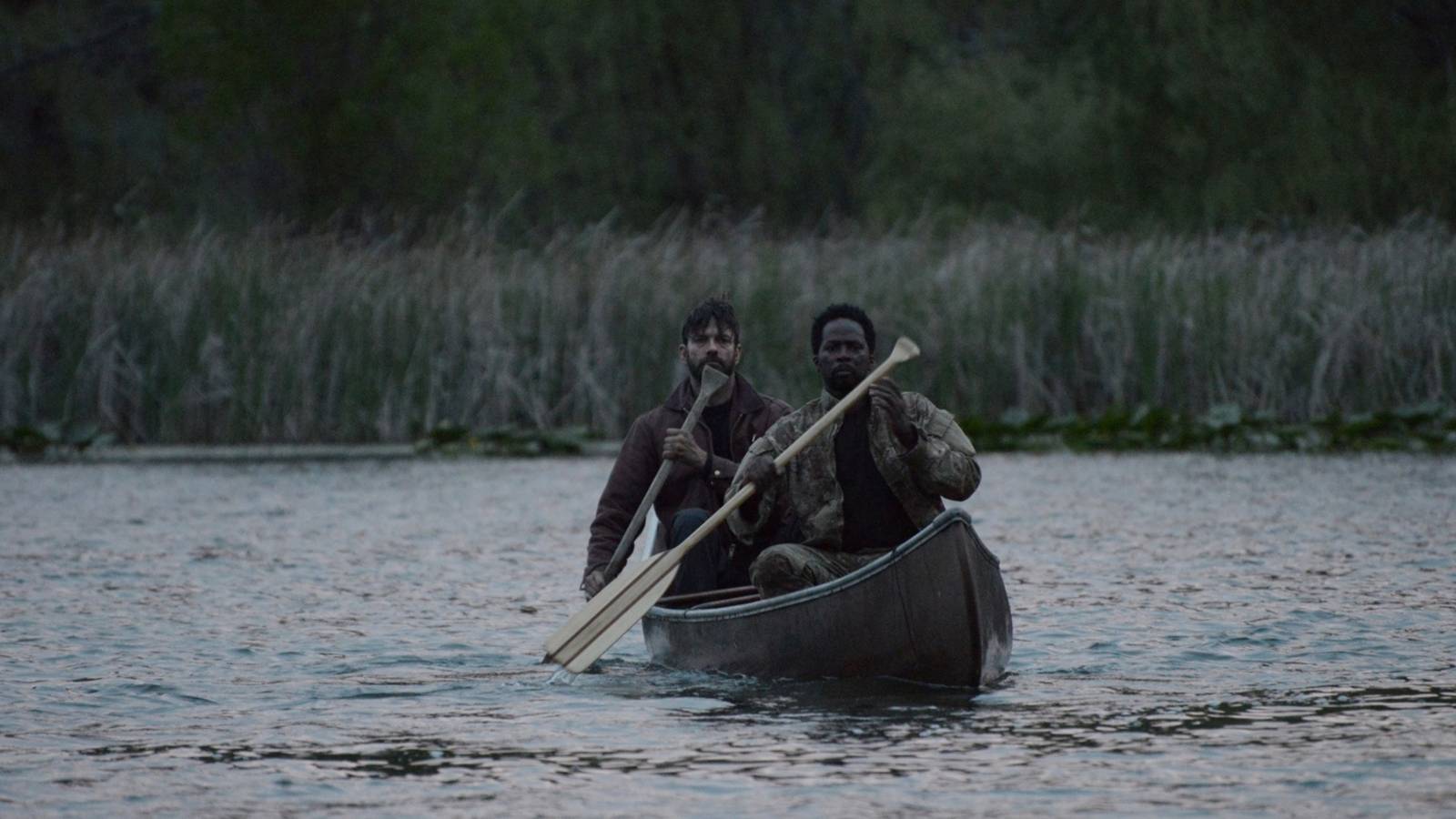
A familiar setup, quickly overturned
Zombie stories often repeat a pattern: survivors find shelter, lose it to the undead and set off to find another refuge. Z Nation initially appears ready to follow that formula, opening with Murphy receiving an experimental vaccine before a zombie outbreak at a military facility.
The story then introduces a survivor camp in upstate New York and Murphy’s apparent immunity. But the camp falls almost immediately, sending its survivors on a military mission to transport humanity’s possible salvation to California.
A road trip with a purpose
Murphy, played by Keith Allan, becomes the focus of a cross-country journey with a clear destination. Instead of merely fleeing the latest disaster, the group has a reason to keep moving and a goal to reach.
The survivors still contend with scarcity and the need to find food, water and ammunition. Those problems share space with the larger dangers and unusual communities they meet along the way, keeping the journey from becoming only a search for shelter.
The story keeps changing
Z Nation’s willingness to embrace sharp turns also keeps Murphy’s journey from feeling inevitable. Across its 2014–2018 run, the series moves quickly through different stories and settings rather than returning to a single pattern of safety collapsing.
A different kind of zombie show
The series offers an alternative to the relentless misery associated with some small-screen zombie dramas, including The Walking Dead and The Last of Us. Its campy performances and B-movie sensibility may not suit viewers looking for prestige-TV polish, but the article describes its approach as subversive.
By giving its survivors a destination and repeatedly changing the obstacles before them, Z Nation makes room for a less predictable apocalypse. Its structure is a change from stories that repeatedly send characters searching for another temporary refuge.
Key points
- Z Nation follows survivors escorting Murphy, a potential source of a cure, toward California.
- The group’s mission gives its journey a destination beyond finding another temporary shelter.
- The show expands from a delivery mission to competing visions of humanity’s future.
- Its fast-changing stories offer an alternative to the familiar shelter-and-collapse cycle.