

Inside Sudan: Why the world ignored a war where nowhere is safe
War and displacement
Fighting broke out in April 2023 between the Rapid Support Forces (RSF) and Sudan’s army, known as the SAF. Their conflict followed years of power tensions after a 2019 uprising removed longtime ruler Omar al-Bashir.
The war has created the world’s largest displacement and humanitarian crises, as well as its largest hunger crisis, the article says. The UN has declared famine in parts of Sudan, while experts have accused the RSF of likely genocide and the army and its affiliates of atrocities.
Survivors seek shelter
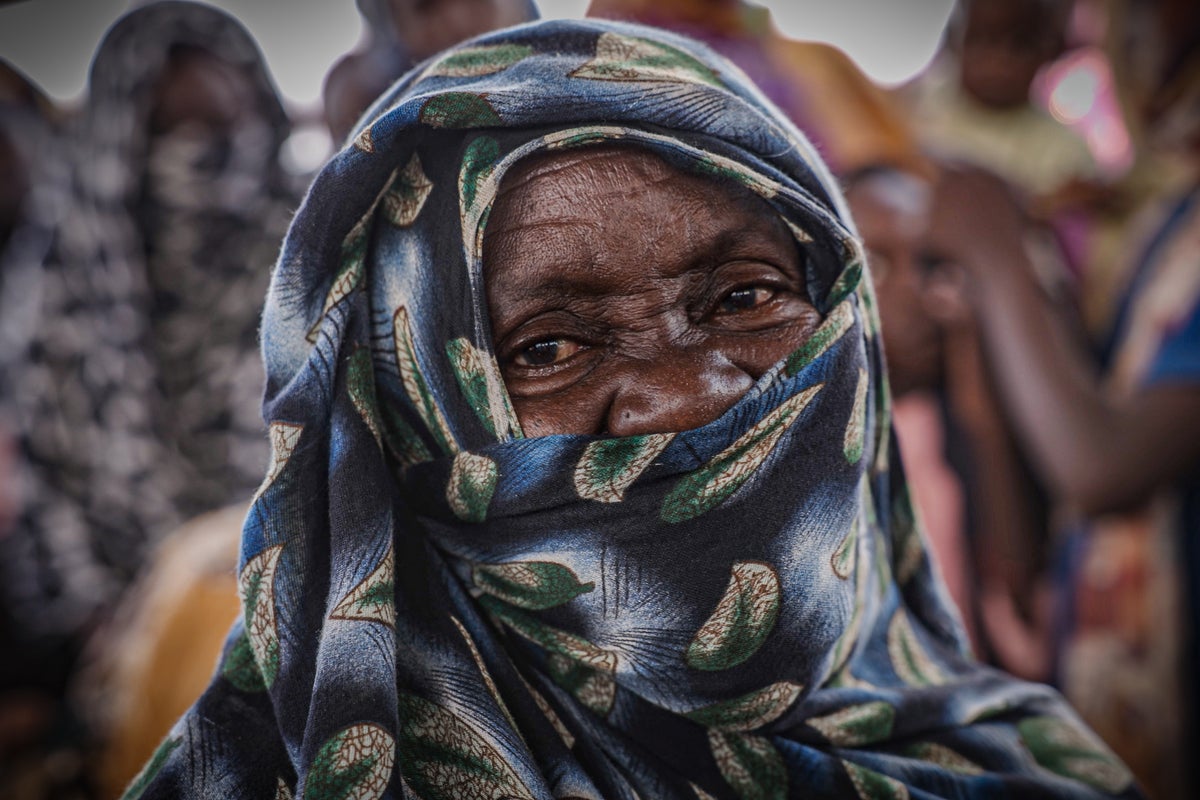
In El Obeid, Aisha sought refuge after RSF fighters killed her son and extended family as they tried to escape their village in a tuk-tuk. She said she had to leave wounded relatives behind and remains haunted by what happened.
The town has only recently emerged from a siege and remains exposed to drone fire and shelling. Displaced families are staying in mudbrick homes abandoned by people who fled, and residents said they had registered with aid groups but received no support.
Abductions and violence
Women described attacks on their families. Zaina, 37, said she managed to save her daughter from being abducted; Riham, 30, said RSF soldiers killed her father and uncle as they tried to protect female relatives. The UN has described conflict-related sexual violence in Sudan as unprecedented in scale, prevalence and brutality, and said it has been used as a weapon of war, particularly by the RSF in El Fasher, Darfur.
A town under pressure
People fleeing the front line said the violence followed them. Abida said RSF soldiers killed her mother, besieged her village, looted it and burned its homes.
Key points
- Sudan’s war began in April 2023 between the RSF and the Sudanese army.
- The conflict has triggered the world’s largest displacement and hunger crises.
- Displaced families in El Obeid said aid had not reached them.
- The UN has reported widespread conflict-related sexual violence in Sudan.