

Amazon Satellites Lost as Vulcan Rocket Fails During Launch, Dealing Major Blow to SpaceX Competitors
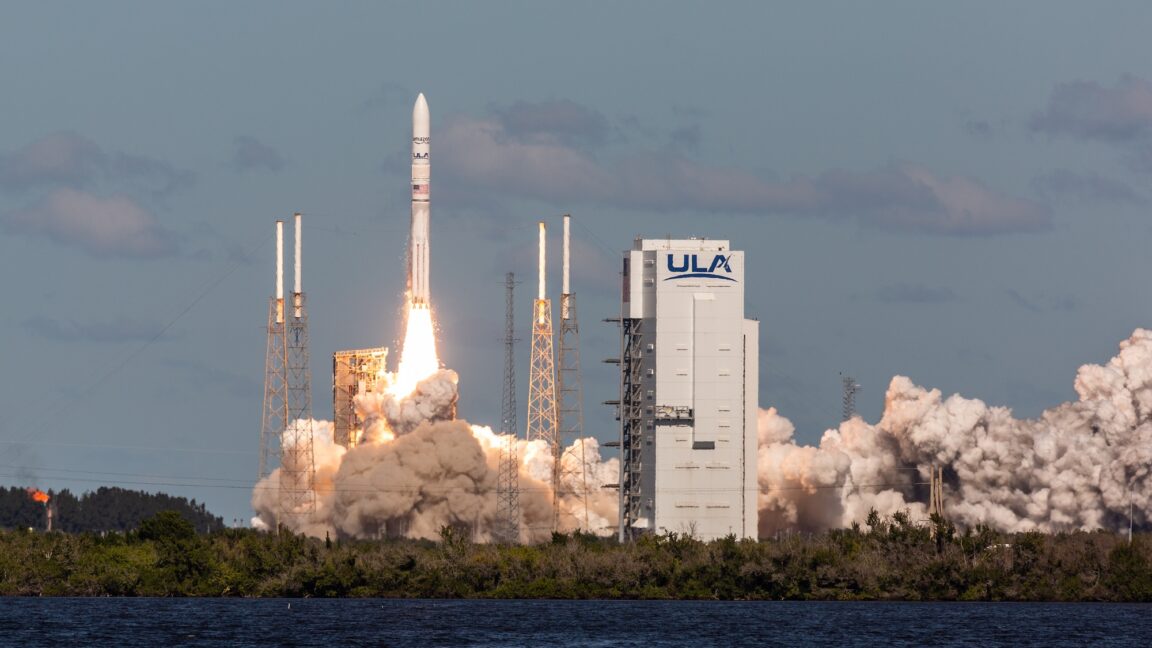
A failed satellite mission
Vulcan lifted off at 12:40 pm EDT on Sunday. ULA said the rocket suffered an anomaly about 10 minutes into the flight and did not deliver the Amazon mission to orbit.
The payload included 40 Amazon Leo satellites. Sunday’s mission was the first of 38 Vulcan launches Amazon booked for its broadband network, intended to compete with SpaceX’s Starlink.
Signs of trouble in flight
ULA initially placed the anomaly at the 10-minute point, but the first indications of trouble appeared before then. Multiple sources told Ars that the problem occurred in Vulcan’s booster stage, though its cause was not known.
The six solid rocket boosters appeared to work well and separated on schedule. The twin BE-4 main engines continued firing for at least 30 seconds beyond their expected shutdown just shy of five minutes into flight.
A mission animation showed Vulcan spinning after the main engines shut down. The Centaur V upper stage separated, and its two RL10 engines ignited as the animation showed them trying to steer the rocket back on course.
Investigation and wider effects
ULA said it lacked specific data to explain what happened and would investigate the cause and corrective action. The company said it would share updates with customers; its live broadcast ended without discussing the anomaly.
The article also identifies a potential impact on NASA’s Artemis program to return astronauts to the Moon. It describes this as ULA’s first total mission failure since the company was formed in 2006.
Key points
- Vulcan failed to put 40 Amazon Leo satellites into orbit on Sunday.
- ULA said the rocket experienced an anomaly about 10 minutes after liftoff.
- The failure is expected to ground Vulcan for an indefinite period.
- The rocket is booked for Amazon missions and US military national security launches.