

NATO may skip Albania leaders summit next year as high level meetings are scaled back
Summit plan dropped
NATO has decided against holding a leaders’ summit in Albania next year, despite earlier plans for the country to host. The alliance is also scaling back high-level meetings as tensions grow over defense spending, Iran and the war in Ukraine.
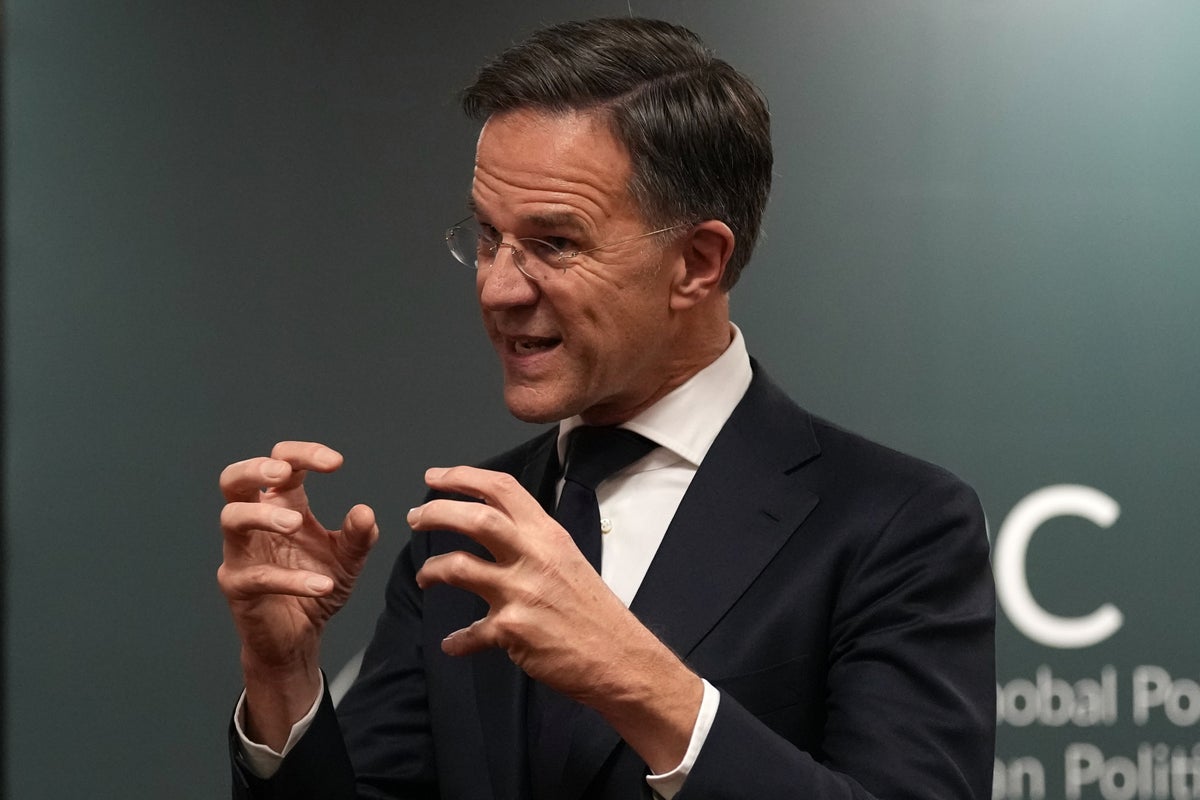
Secretary-General Mark Rutte said NATO could be flexible about when to hold summits. He told The Associated Press that leaders meet when there is a need, and that the next summit would take place when necessary.
Spending concerns and costs
Some NATO members considered Albania’s defense spending too low to justify hosting the alliance’s major gathering. Tirana is projected to spend 2.15% of its gross domestic product on defense this year, while NATO’s 32 allies have a target of 3.5% for core defense by 2035, plus 1.5% for defense-related infrastructure.
Albania is not the lowest spender: Spain, Belgium and Slovenia are doing worse, according to the article. Hosting a summit also requires substantial preparation and resources; the Netherlands spent about $100 million preparing for the 2025 meeting in The Hague.
Alliance tensions and timing
Officials said NATO would have needed to make a decision about Albania by October to leave enough time to organize next year’s event. Rutte pointed to security requirements and the expense of bringing together 32 allies, partner countries and Indo-Pacific partners, including Japan, Korea, Australia and New Zealand.
Tensions also include U.S. President Donald Trump’s renewed talk of taking control of Greenland, a self-governing part of Denmark, which is a NATO member. European allies suspect Russia may test the alliance, while former NATO intelligence official David Cattler said a summit could be skipped if there were no issues requiring leaders to meet.
Key points
- NATO will not hold a leaders’ summit in Albania next year as previously planned.
- Albania is projected to spend 2.15% of GDP on defense this year.
- NATO’s 2035 targets are 3.5% for core defense and 1.5% for related infrastructure.
- Officials said a decision was needed by October to allow time to organize the summit.