

75 years after clocking in, LEO gets a birthday bash at Cambridge computing museum
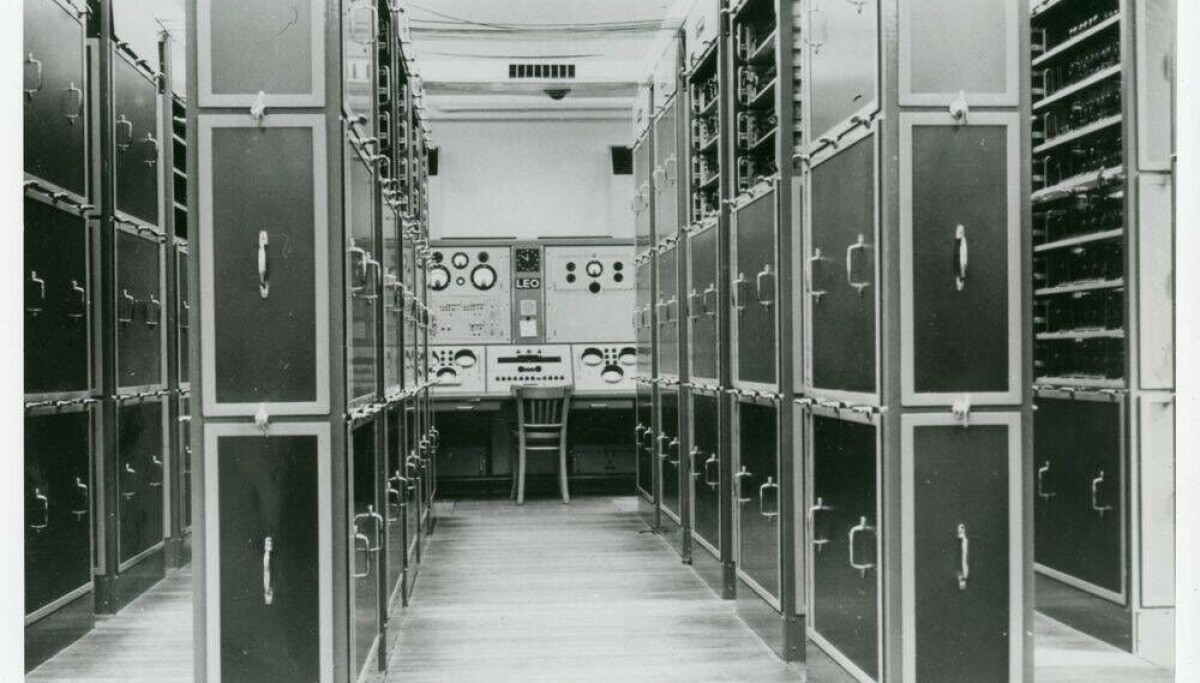
A celebration in Cambridge
The Centre for Computing History, an interactive museum just off Coldhams Lane in Cambridge, is holding a party for LEO as business computing turns 75 this month. The museum will offer a film screening and activities for children.
Events are planned for children aged 5 to 7, alongside a Python coding activity for those aged 12 to 16. Admission supports the museum charity; student and concession tickets cost £10, while family tickets start at £15.
Preserving LEO’s history
In 2018, the museum received National Lottery funding to preserve, archive and digitise LEO artefacts, documents and personal memories. The project aims to retain records of the computer and the people connected to it.
Mary Coombs began programming LEO in 1952 and was the first female commercial programmer. The Register published an obituary for her the following year, after previously covering the machine’s 70th anniversary in 2021.
The machines behind LEO
EDSAC was LEO’s immediate forerunner and one of the world’s earliest practical stored-program computers. Its development drew on ideas associated with John von Neumann’s 1945 report on EDVAC, which described what is now known as the von Neumann architecture.
The report was based on the EDVAC proposal, four years before the hardware was delivered. ENIAC, its predecessor, was completed by John Mauchly and J. Presper Eckert in 1945; its original programming used switches and cable connections, while EDVAC was designed to store instructions in memory.
The Manchester “Baby,” or Small-Scale Experimental Machine, ran its first program in 1948 and was the first working electronic stored-program machine. Wilkes and Douglas Hartree used ideas from von Neumann’s work in developing EDSAC.
Key points
- Cambridge’s Centre for Computing History is celebrating 75 years of business computing with a party for LEO.
- The programme includes a film screening, activities for children aged 5 to 7 and Python coding for ages 12 to 16.
- Mary Coombs began programming LEO in 1952 and was the first female commercial programmer.
- EDSAC, LEO’s immediate forerunner, was among the world’s earliest practical stored-program computers.