

A 1970 Edition Made by Under-18s: How Oz Became the Most Controversial Magazine of Its Time
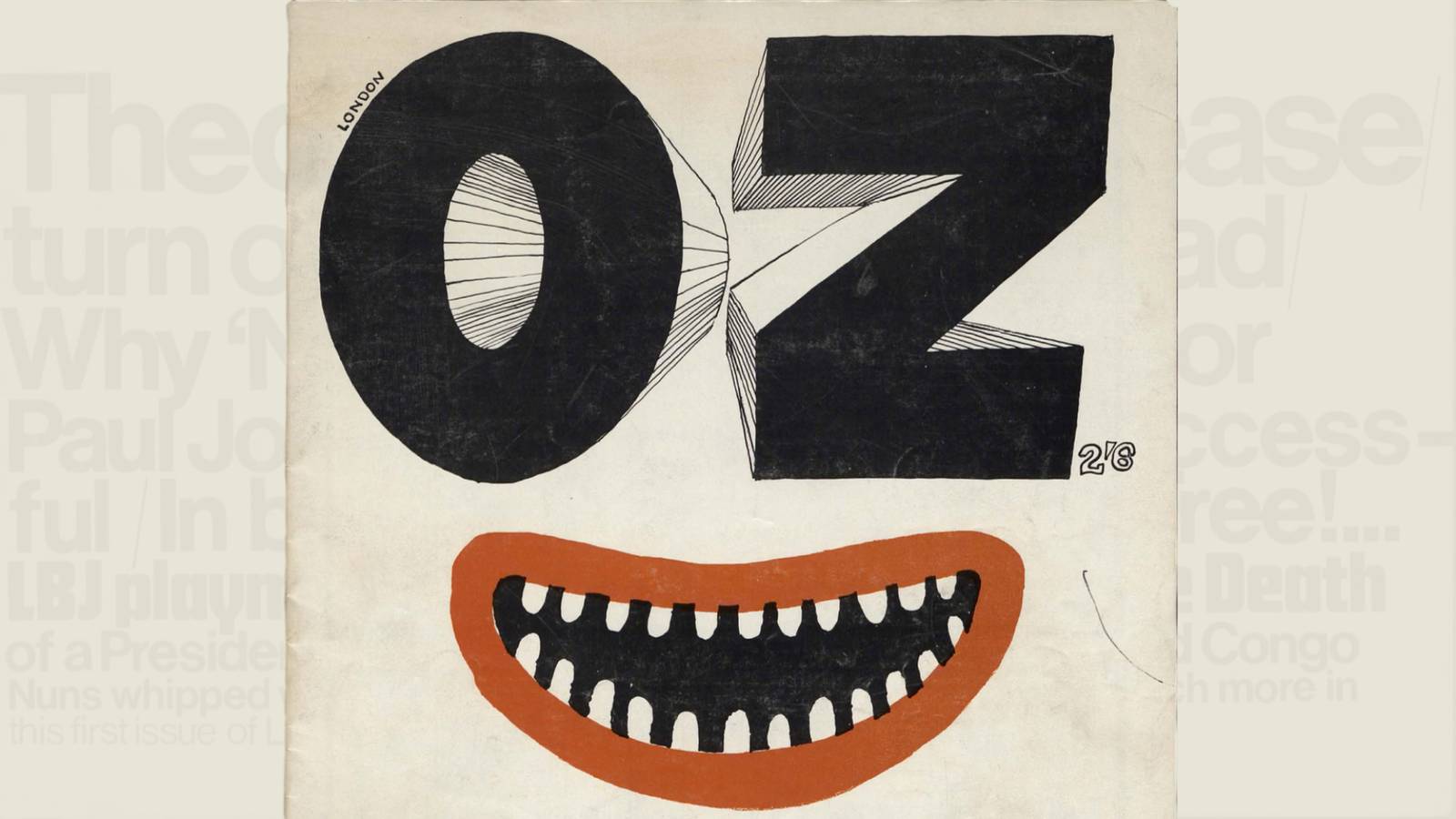
Sydney’s provocative debut
Richard Nevile, Richard Walsh and Martin Sharp launched Oz on April 1, 1963, in Sydney. In a period marked by censorship and conservative social rules, the magazine took on subjects that other publications largely avoided.
Its first issue examined illegal abortion clinics and alleged police corruption, and addressed homosexuality, tattoos, chastity belts and Australia’s White immigration policy. Oz also published hoaxes, including a report that the Sydney Harbour Bridge had collapsed.
Backlash and strong demand
The debut issue sold all 6,000 copies despite newsstand bans. Advertisers withdrew contracts, writers faced threats to their jobs, and the editors were evicted from their government-owned Sydney office.
The magazine’s early satire challenged both public authorities and the mainstream press. Its success showed that readers would buy anti-establishment work, even as institutions pushed back.
A new direction in London
Oz relaunched in London in 1967, where circulation reached 80,000 copies, twice Sydney’s peak of 40,000. Martin Sharp used photographic offset lithography to explore neon colour, spiral layouts and collage.
The London edition paired its striking visual style with topics including feminism, drug laws and the Vietnam War. Covers recast familiar cultural figures, including the Mona Lisa, Bob Dylan and Vincent van Gogh, in psychedelic or countercultural imagery.
The under-18s edition
In May 1970, editors Richard Neville, Jim Anderson and Felix Dennis handed an entire edition to contributors under 18. They said the project would test the limits of British adolescence.
Oz continued for a decade, from 1963 to 1973. Its legal battles remain part of free-speech debates, while historians and designers study its archives.
Key points
- Oz began in Sydney on April 1, 1963, and ran until 1973.
- Its debut issue sold 6,000 copies despite newsstand bans.
- The London relaunch reached a circulation of 80,000 copies.
- Editors gave the May 1970 edition to contributors under 18.