

America’s First Muslim Senator Exposes a Political Blind Spot Both Parties Must Face
A campaign at the center
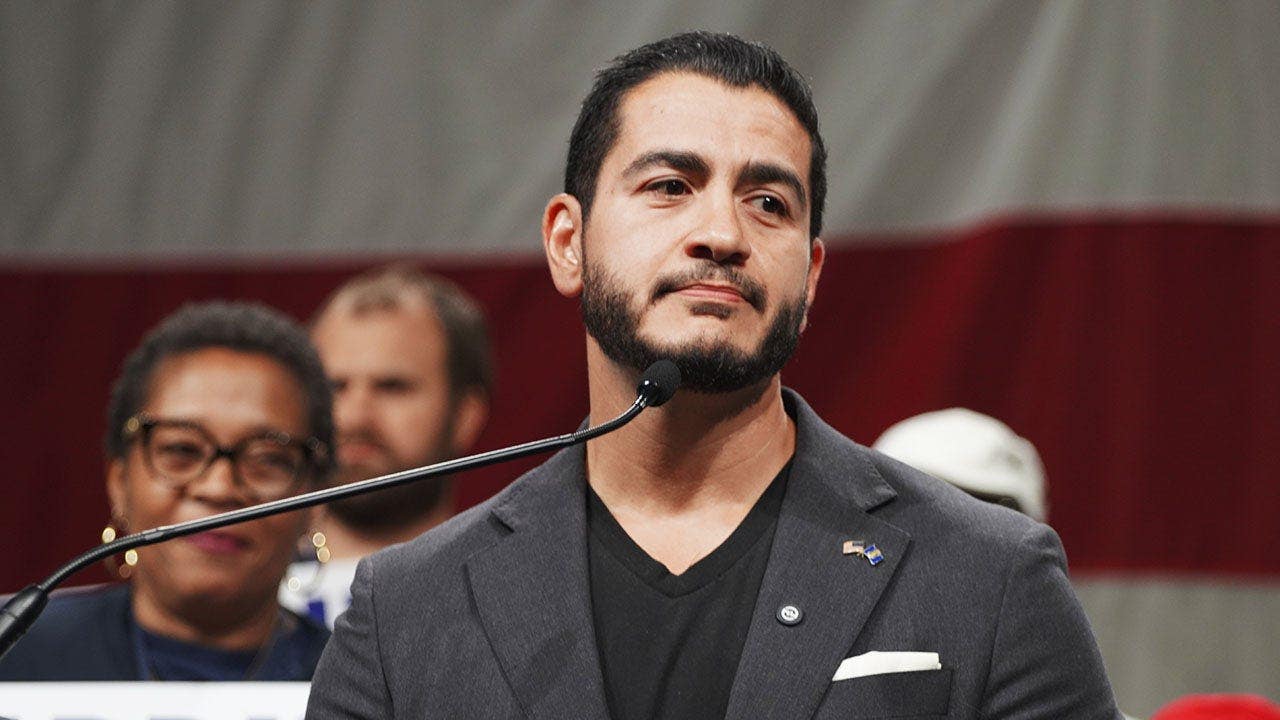
The midterm elections brought Islamism and anti-Muslim bigotry into focus, with Abdul El-Sayed, a Democrat from Michigan, becoming the country’s first Muslim senator-elect. His campaign, the writer says, revealed tensions in how the two parties approach these issues.
Republicans, in her view, too often treat Muslims and Islamists as though they are the same. She argues that Democrats can be reluctant to consider the distinction, making a needed public discussion harder.
Experience with extremist violence
The writer identifies herself as a Muslim woman, physician and longtime critic of Islamism. She says her work has included examining victims killed by Hamas in the October 7, 2023, attacks in Israel and documenting accounts from Yazidi and Kurdish victims of ISIS in Iraq.
She also says she interviewed children recruited by ISIS and the Taliban, supported Christians facing persecution in Iraq and Pakistan, and visited Syria’s now-dismantled Al Hol detention camp. She presents these experiences as the basis for her concern about extremist interpretations of Islam.
Questions and accusations
The writer warns that accusations of Islamophobia may be used to divert attention from scrutiny of El-Sayed. She says identity politics and appeals to anti-racism have made it more difficult to discuss the distinction between Muslims and Islamists.
The article also points to reports of questions about alleged Muslim Brotherhood ties involving El-Sayed’s family. It says he grew agitated when a reporter pressed him on the issue, while a Michigan voter described him as dangerous to the Jewish community and to the country.
Key points
- Abdul El-Sayed became the nation’s first Muslim senator-elect after the midterm elections.
- The writer says both parties struggle to distinguish Muslims from Islamists.
- Her account describes work with victims of Hamas, ISIS and Taliban violence.
- She warns that Islamophobia accusations could divert scrutiny from El-Sayed.