

Booster Explosion Is a Setback for SpaceX’s Reusable Rocket System Despite Successful Launch
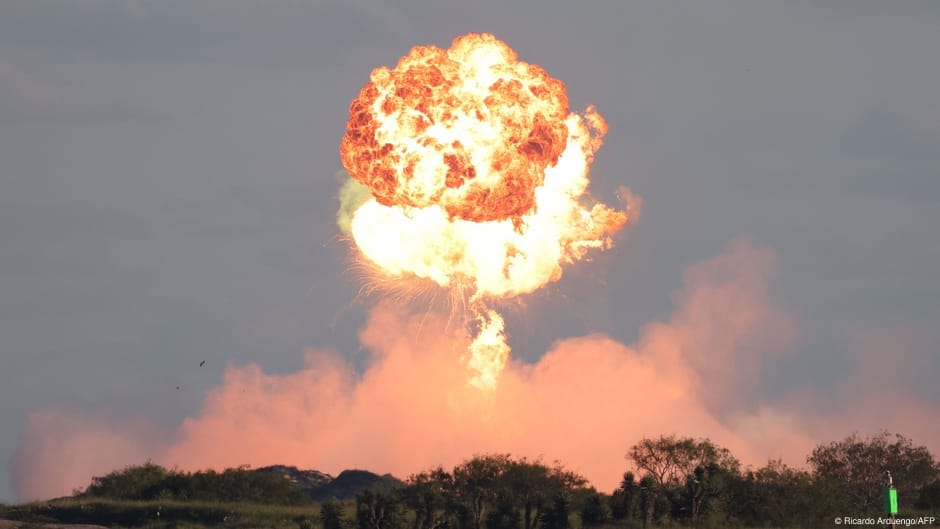
Launch succeeds, recovery fails
The uncrewed Starship lifted off from SpaceX’s South Texas Starbase site on Friday. The 124-meter (407-foot) vehicle consists of a spacecraft mounted on a booster and is designed to carry crew and cargo.
“Not sure right now why we weren't able to bring it back,” SpaceX’s Dan Huot said. The spacecraft continued into orbit.
Upper stage still faces return
The upper stage, which is the spacecraft itself, began releasing the 26 satellites it carried for SpaceX’s Starlink network. The company planned to recover it on Saturday when it returned to Earth.
SpaceX intended to catch the spacecraft with mechanical arms at the launch pad. If successful, that would mark its first return to Earth and could make future reuse possible.
Reuse remains the goal
SpaceX aims to recover and reuse both stages of Starship to help lower the cost of spaceflight. The booster has been recovered on earlier flights, but the upper stages of all 14 previous Starship missions ended in the ocean, either by design or because of failures.
The Friday mission set out to recover both parts of the system. SpaceX currently relies mostly on smaller Falcon rockets, whose second stages cannot be recovered.
Ambitions and technical hurdles
Elon Musk has said he expects Starship launches to take place once a week by early 2027. The program’s main aim is to put astronauts on the Moon by 2028, though unresolved technical challenges could push back that schedule.
Key points
- Starship reached orbit, but its booster exploded over the Gulf of Mexico.
- The spacecraft carried 26 Starlink satellites and was due to return on Saturday.
- SpaceX aims to make both stages reusable to reduce the cost of spaceflight.
- The program targets a crewed Moon mission by 2028, though technical challenges could delay it.