

NASA weighs theory that mysterious object moving through space could be lost Soviet probe, but says no threat to Earth
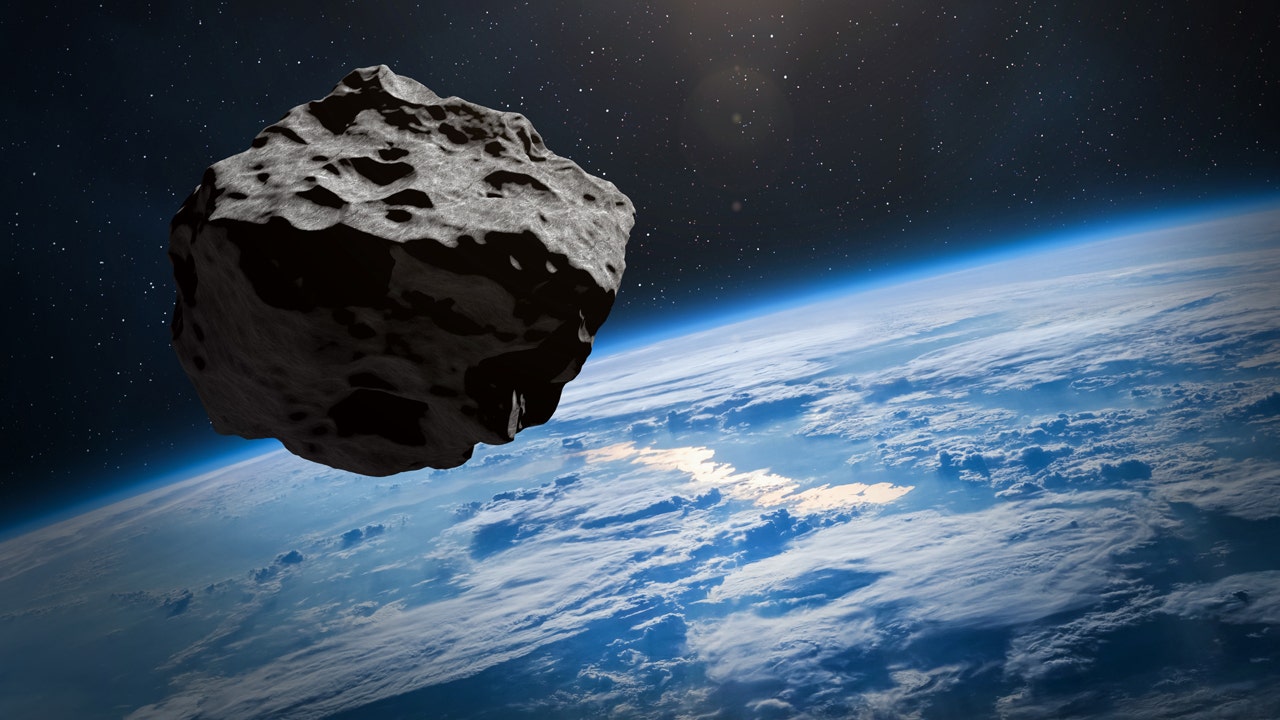
An asteroid with unusual motion
1998 KY26 is believed to be a near-Earth asteroid, but its changing path appears to involve a force beyond gravity. That unexplained acceleration has prompted renewed discussion of whether the object could be connected to a missing Soviet probe.
Harvard astrophysicist Avi Loeb has said the asteroid’s movements closely match a model of Phobos 1, which was lost in 1988. The available report does not establish that 1998 KY26 is the spacecraft.
Research challenges one explanation
New research has cast doubt on one explanation for what is pushing the object through space. The report does not identify that explanation or provide details of the research.
The object is described as about 36 feet across. Its unusual motion, rather than any reported danger to Earth, is driving the debate over its identity.
NASA addresses possible danger
NASA Administrator Jared Isaacman said he had not seen evidence that the object poses a threat to the planet. He also described it as an asteroid rather than something else.
Isaacman said, “nothing is about to hit us,” and added that he knew of no evidence suggesting a danger to Earth. His remarks address the risk question, while the proposed Soviet-probe connection remains a theory.
Key points
- 1998 KY26 is roughly 36 feet wide and is believed to be a near-Earth asteroid.
- Its acceleration cannot be explained by gravity alone, according to the report.
- Avi Loeb says its movements match a model of Phobos 1, lost in 1988.
- NASA Administrator Jared Isaacman said he had seen no evidence of a threat to Earth.