

A POW Camp Comedy and Other Historical Series: 8 20th-Century Shows That Aged Horribly
A POW Camp Played for Laughs
Hogan’s Heroes ran from 1965 to 1971, following Colonel Robert Hogan, played by Bob Crane, and other Allied prisoners who carried out sabotage under their captors’ noses. The comedy made the German officers buffoonish figures and treated the camp as a setting for slapstick.
Stalag 13 was a Luftwaffe-run prisoner-of-war camp, not an extermination camp. Still, the warm, clumsy portrayals of Colonel Klink and Sergeant Schultz sit uneasily beside the real atrocities associated with the uniforms they wore. The criticism is not simply that the series mocked Nazis; rather, its humor largely set aside the severity of their crimes.
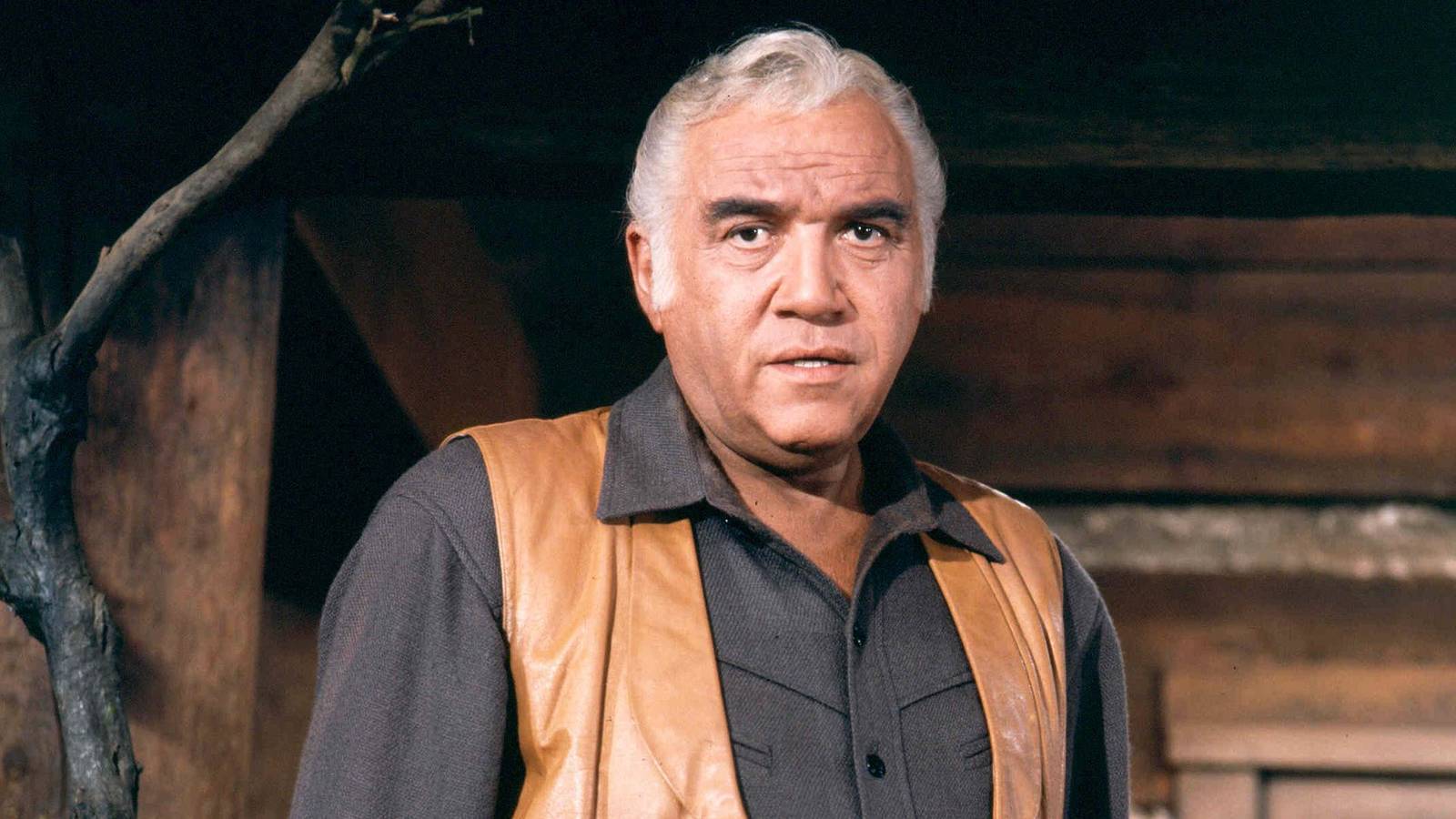
Bonanza’s Uneven Treatment of Hop Sing
Bonanza addressed intolerance in some of its stories, but Hop Sing, played by Victor Sen Yung, was often presented through exaggerated speech and comic frustration. As the Chinese cook for the Cartwright family, he was chiefly defined by domestic work, while the family’s members received broader emotional lives and moral authority.
The episode “The Lonely Man” in season 13 gave Hop Sing a romantic storyline, offering him a more substantial role. Yet those moments also made the show’s usual reliance on a foreign-servant stereotype more apparent. The series’ efforts to challenge racial hostility elsewhere did not remove that contradiction.
A Western’s Narrow Frontier View
The Virginian follows an unnamed foreman, played by James Drury, amid disputes around a Wyoming cattle ranch in the late nineteenth century. Its stories often present the ranching community as a source of order, guided by capable men who know when to negotiate and when to fight.
That approach leaves little room for the wider consequences of ranching power. The series evokes a frontier way of life threatened by change, while giving limited attention to the structures that supported it and the effects on the broader world.
Key points
- Hogan’s Heroes used a German POW camp as the setting for slapstick comedy.
- Bonanza often reduced Hop Sing to a comic domestic servant stereotype.
- The Virginian centers ranching authority while giving limited attention to its wider effects.