

Why Vikings and Jaguars emerge as definitive winners of NFL trade deadline, though impact remains uncertain
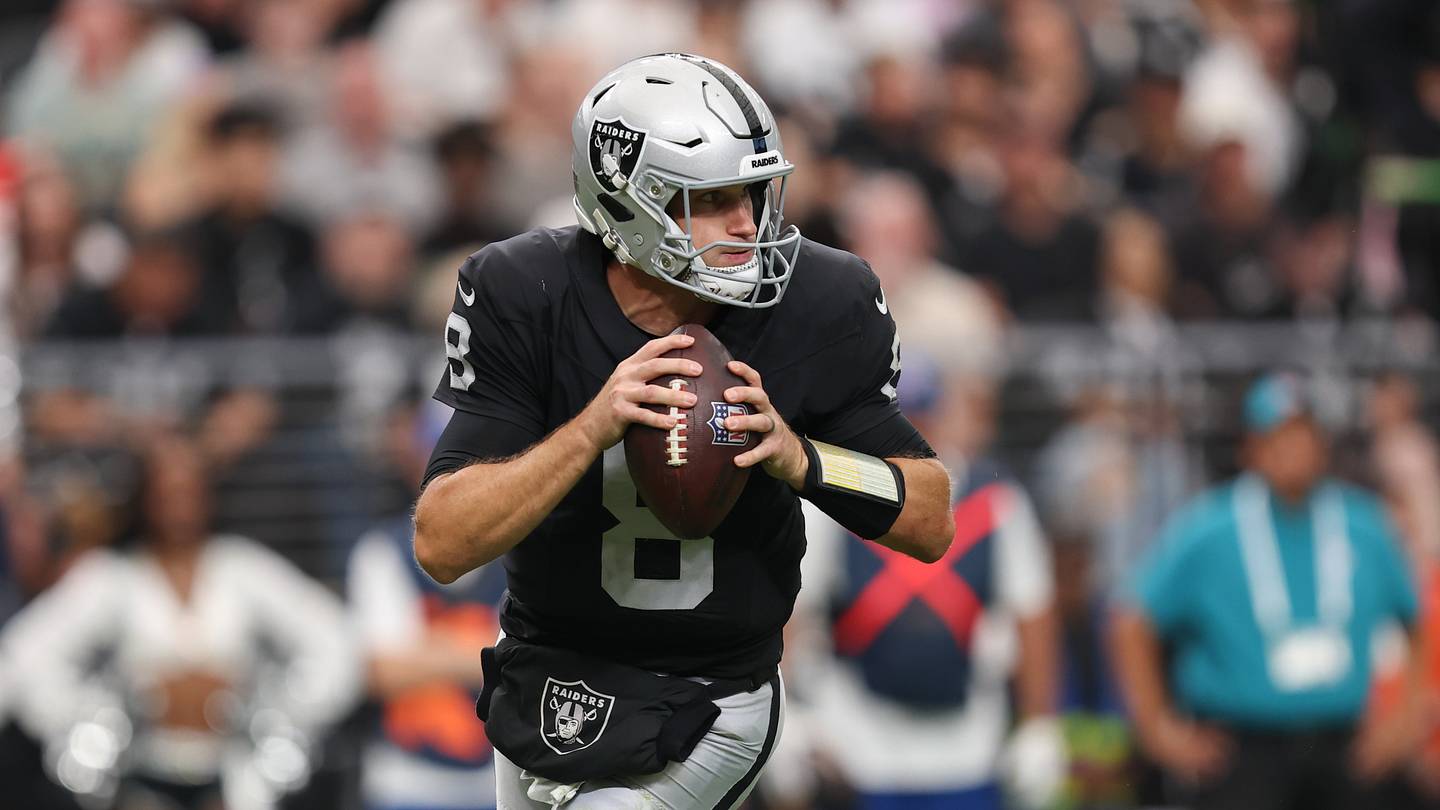
Minnesota adds a familiar quarterback
The Vikings began the season 6-0, powered by the NFL’s best defense, while their offense ranked second-worst in efficiency. The team faced pressure to strengthen its quarterback position.
In the final hours before the deadline, Minnesota acquired Kirk Cousins from the Las Vegas Raiders for a third-round pick. Cousins, 38, had spent six years with the Vikings and previously played under coach Kevin O’Connell.
A low-cost bet on Cousins
Cousins is past his prime, but the story describes him as a league-average quarterback and says the price was modest, even for a half-season rental. His familiarity with Minnesota’s system and his past connection with Justin Jefferson add to the appeal.
The Vikings hope the move can lift an offense that has struggled since Sam Darnold’s departure. The team’s defense, led by Brian Flores, gives Minnesota a possible route to contention, though the trade’s results remain to be seen.
Raiders and Jaguars make moves
The Raiders received a third-round pick after paying about $650,000 of Cousins’ salary and winning several important games with him. The account says rookie Fernando Mendoza also had time to learn the system and study Cousins before taking on a larger role.
Jacksonville’s 36-year-old general manager, James Gladstone, had already traded two first-round picks and a second-round pick for Travis Hunter. Before the deadline, he made two major deals in quick succession, including acquiring Pro Bowl safety Jessie Bates.
Key points
- Minnesota traded a third-round pick to bring Kirk Cousins back to the Vikings.
- Cousins gives Minnesota a familiar quarterback option alongside its strong defense.
- The Raiders received a Day 2 pick and gave Fernando Mendoza time to learn.
- Jacksonville acquired Jessie Bates after previously trading major draft capital for Travis Hunter.