

Historic rights ruling: UK privy council overrules trinidad and tobago gay sex law
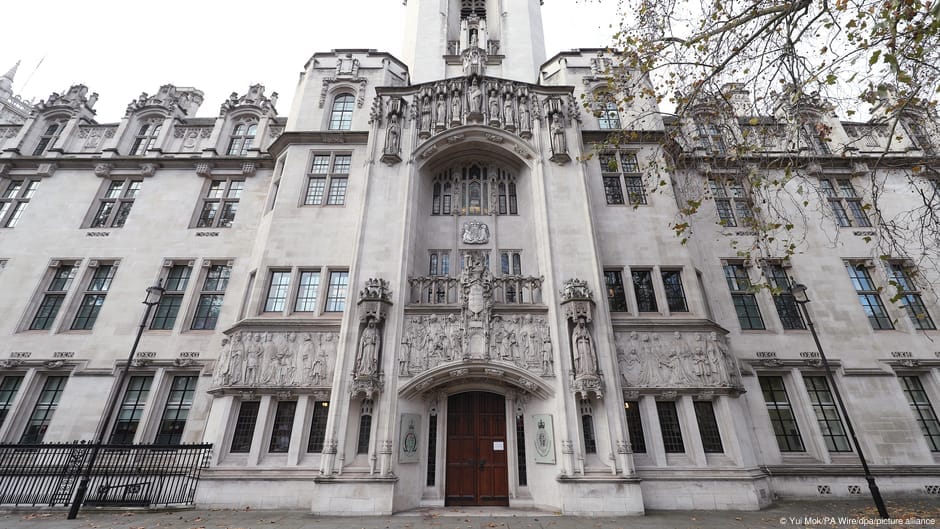
Jones wins final appeal
Jason Jones, a gay man born in Trinidad and Tobago, challenged the country’s ban on consensual sexual relations between adult men. After an initial High Court victory was partly overturned, he appealed to the Privy Council in London, the country’s final court of appeal.
A panel of five judges unanimously allowed Jones’ appeal and rejected a counter-appeal from the Attorney General. Jones told the Associated Press that the judgment brought a sense of vindication after a legal fight lasting nearly a decade.
Constitutional rights at issue
The judges found that two provisions of the Sexual Offences Act 1986, covering “buggery” and “serious indecency” between same-sex couples, breached rights to private and family life under Trinidad and Tobago’s 1976 constitution. Judge Philip Sales said those rights protect sexual orientation as a core part of personal identity. The court said laws criminalizing such activity could not be justified in this case.
Colonial-era law challenged
Authorities argued that the laws predated the constitution and had been passed with a super-majority, giving them the status of “existing law” in certain circumstances. The Privy Council concluded that the legal test for preserving that status had not been met.
The provisions carry prison terms of up to five years, although they had not been enforced in recent history. Critics say the laws still send an intimidating message.
Jones describes personal cost
Jones said he had been openly gay since age 16 and fled Trinidad and Tobago in 1996 because of homophobic violence and discrimination. He told the Associated Press that anger helped him continue the case.
His lawyer Anand Ramlogan, a former attorney general, argued that constitutional rights protect citizens when majority opinion shifts. Jones also said losing friends to HIV/AIDS helped inspire him to speak out.
Key points
- The Privy Council unanimously overturned two provisions criminalizing consensual sex between adult men.
- The court found the provisions violated constitutional rights to private and family life.
- Jones’ appeal followed a legal battle lasting almost a decade.
- The laws carried prison terms of up to five years but had not been enforced in recent history.