

New research finds pet and skin trades pose little threat to most reptile species
Trade and wider threats
Reptiles are traded for pets and products made from their skins. The researchers examined whether legal and illegal commercial trade is harming wild populations. They place trade alongside other pressures, including habitat destruction, pesticides, natural disasters, disease and invasive species. Human-induced climate change is described as the foremost threat to wildlife worldwide.
In Australia, the most threatened reptiles and frogs have seen average population declines of 96% since 1985, according to research cited in the article. The majority of international reptile trade is described as legal and regulated, with systems for tracking and monitoring.
Millions of skins, few species
The researchers reviewed reptile skin trade data gathered between 2000 and 2020 by IUCN experts and others. CITES records international trade in individual animals and skins; national quotas govern items outside its records.
More than 70 million skins traded during that period came from fewer than 50 species, mostly crocodiles, snakes and lizards. The article notes that this is a small share of the more than 10,000 known reptile species.
Wild populations of the most heavily traded species still appear healthy. Researchers suggest these animals may thrive in varied habitats, reproduce quickly and benefit from ongoing research and population management.
Pet markets favor captive breeding
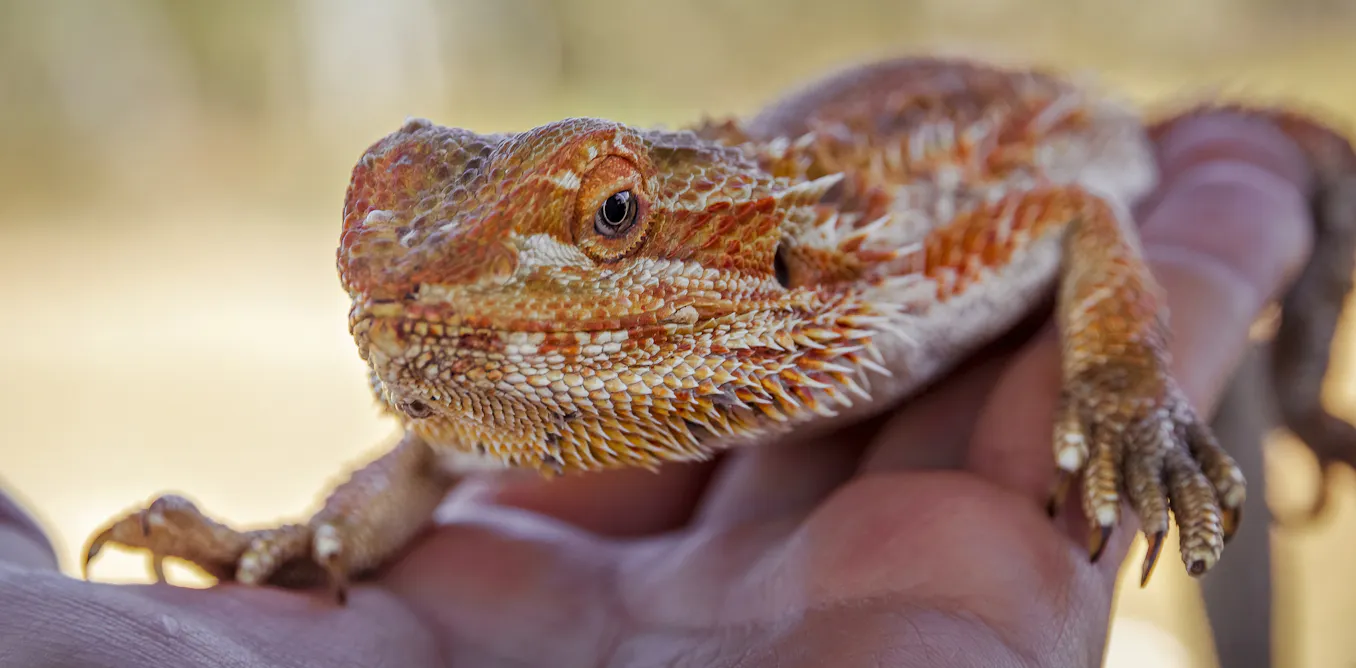
The lists were led by a handful of docile, colourful lizards and snakes, including kingsnakes, cornsnakes, pythons, Australian bearded dragons and leopard geckos. These species generally mature and reproduce quickly and adapt well to captivity.
The analysis suggests most pet reptiles are born or hatched in captivity. The article says pet owners may favor them because they are less likely to be stressed or diseased, and captive breeding can produce brighter colours. Wild animals are still taken for the trade, but the analysis indicates little impact on wild populations overall.
Some species remain vulnerable
The researchers identify a notable exception: species confined to small islands or those that grow and reproduce slowly. Turtles are given as an example. Removing even a few adult females from a slowly reproducing population can have a major effect, the article says. Some people also oppose wild-animal trade on ethical and animal-welfare grounds.
Key points
- More than 70 million reptile skins traded from 2000 to 2020 came from fewer than 50 species.
- Most popular pet-trade species were described as quick to reproduce and suited to captivity.
- The analysis suggests most pet reptiles are captive-bred, though wild animals are still taken.
- Island-restricted and slow-reproducing species, including some turtles, may be more vulnerable to trade.