

Another round of war less likely as momentum builds for peace in Iran
Pressure grows for negotiations
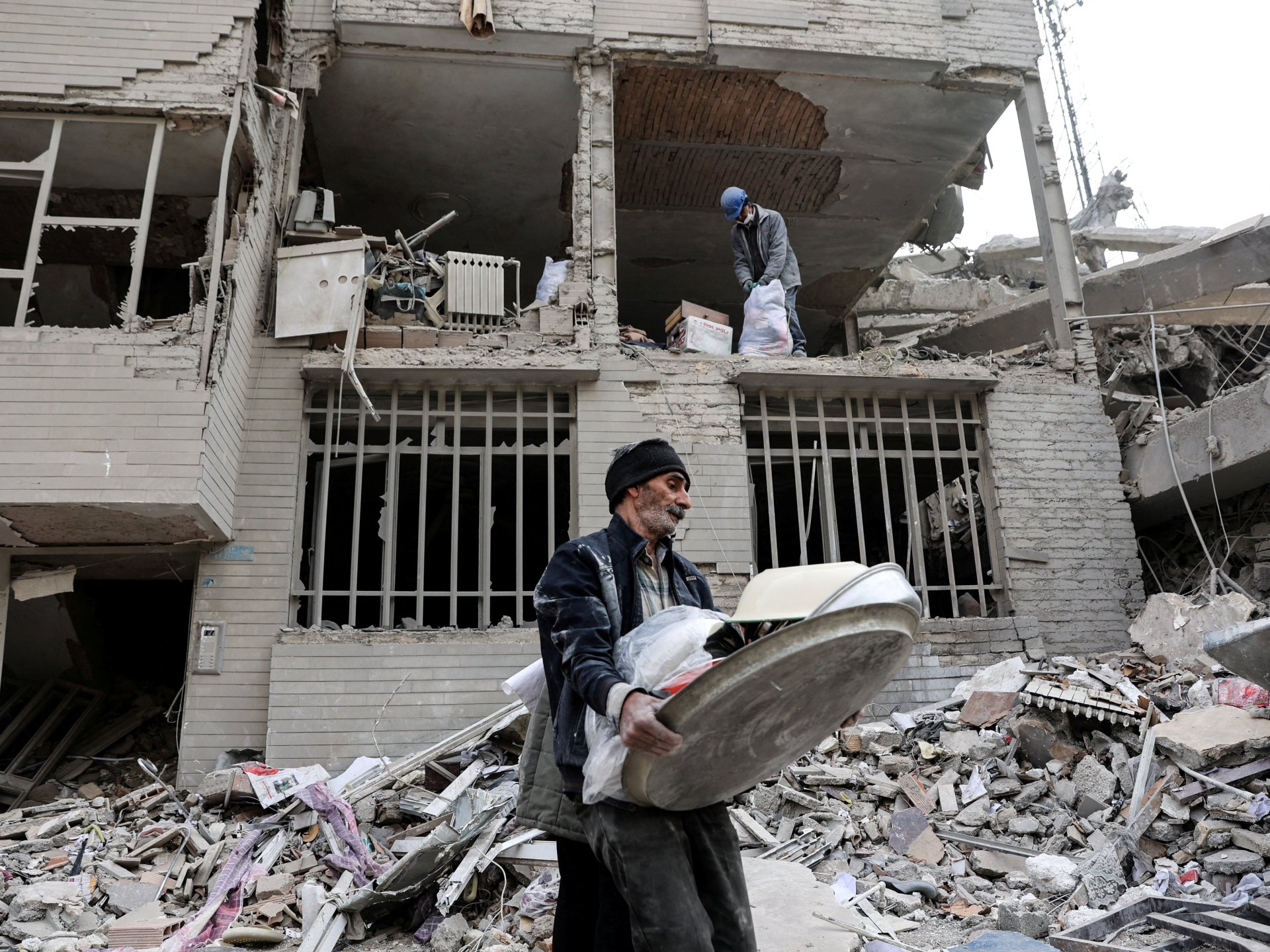
Domestic political pressures have renewed momentum for talks between Washington and Tehran, even as analysts warn that peace remains fragile. Efforts to end the United States-Israel war on Iran have accelerated, potentially lowering the risk of another period of intense fighting.
President Masoud Pezeshkian said Supreme Leader Mojtaba Khamenei had signalled openness to negotiations and urged leaders to end the “no war, no peace” situation. Iran has also referred to a possible diplomatic solution while maintaining its deterrence posture.
Political costs rise in Washington
President Donald Trump and Vice President JD Vance acknowledged that the conflict contributed to the Democratic Party taking firm control of Congress. The war has shaken global energy markets and added to the rising cost of living.
Outgoing Republican lawmaker Thomas Massie moved to impeach Defense Secretary Pete Hegseth over the war, setting up a possible congressional vote days after the midterm elections. Analyst Mortazavi said a stronger Democratic opposition could make it harder for Trump to continue the conflict.
Attacks complicate diplomatic efforts
Despite talk of negotiations, military action continues. The article reports daily US attacks on Iranian targets in the Strait of Hormuz and on Qeshm island; Tehran has responded by downing US aircraft and controlling marine traffic in the waterway.
On Monday, Iran’s Supreme National Security Council Secretary Mohsen Rezaei accused Washington of spreading “fake news” about negotiations. He said Tehran’s seven conditions include ending the naval blockade and unfreezing Iranian assets.
Risks remain despite mediation
In a Monday phone interview with C-SPAN’s Washington Journal Primetime, Trump said the United States might have to strike Pickaxe Mountain, which the US says is the site of an Iranian nuclear facility under construction deep underground. Another possibility is continuing the blockade of Iranian ports to seek further concessions.
Analyst Azizi said the blockade would be unsustainable because Tehran views it as a continuation of the war. He warned it could lead back to a large-scale conflict that the parties have been trying to avoid.
Mortazavi said escalation carries growing political and strategic costs, making another round of war less likely, but stressed that a diplomatic breakthrough is not guaranteed. He said Trump must choose between a negotiated end and prolonging a conflict with diminishing political support.
Key points
- Talks have gained momentum amid political pressure in the United States and Qatar’s mediation.
- Iran says its conditions include removing the naval blockade and unfreezing its assets.
- Attacks and military threats continue despite discussion of a diplomatic solution.
- Analysts say renewed war may be less likely, but a breakthrough remains uncertain.