

Opinion: Supreme Court’s Border Ruling Tests Its Credibility
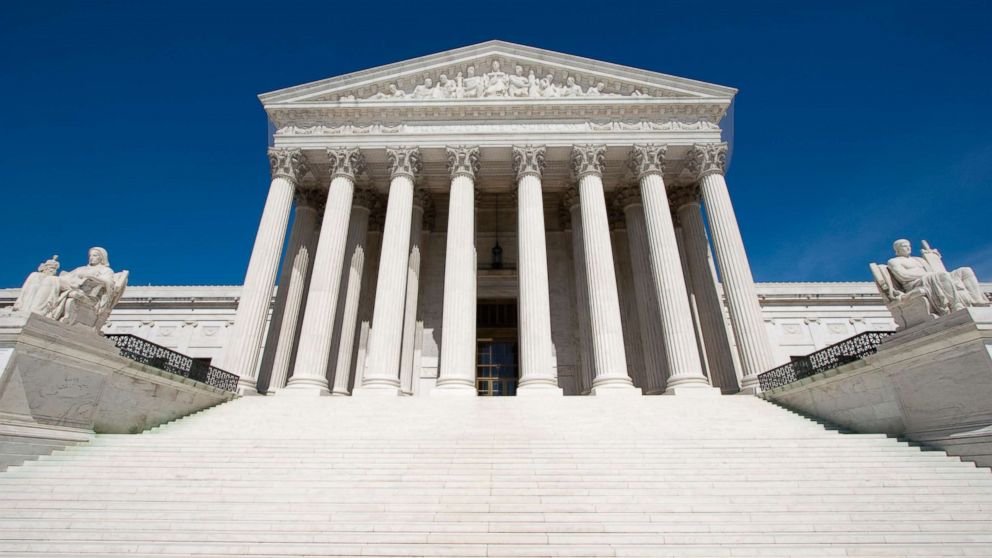
Ruling allows construction to proceed
On Monday, the Supreme Court ruled that a preliminary injunction was stopping the government from pursuing what it called its “compelling interests” in border security and integrity. The decision reaffirmed the DHS secretary’s broad discretion to waive some laws.
Those challenging the project argued that the department exceeded its authority by setting aside environmental and conservation laws to speed construction. The ruling paves the way for work across the Big Bend region, including inside the national park.
Plans changed after public outcry
The administration’s proposals have drawn criticism from both Democrats and Republicans. The construction could combine physical barriers, access roads and vehicle barriers. A physical wall was originally included in plans for Big Bend National Park. After public objections, that proposal was revised to use vehicle barriers, roads and surveillance technology instead.
Residents fear lasting effects
Some people in the region worry that construction could block access to the Rio Grande, damage natural habitats and diminish the landscape that attracts visitors. They also fear consequences for local economies that depend heavily on tourism.
In May, Redford resident and landowner Charlie Angell told ABC News that CBP had sent him a letter seeking access to his property for construction. He said the government might seek ownership if he refused, and described the prospect as devastating to his retirement plans.
Few encounters in rugged sector
CBP figures indicate that roughly 1% of migrant encounters occur in the sector. Its remote, rugged and hazardous landscape has long been considered a major deterrent. The construction dispute therefore concerns both border policy and the future of a region valued for its environment and tourism. Residents’ concerns include access, habitat and the economic impact of the work.
Key points
- The Supreme Court’s decision permits the administration to resume border construction in the Big Bend region.
- Park plans dropped a physical wall after public opposition but retain roads, vehicle barriers and surveillance technology.
- CBP statistics put about 1% of migrant encounters in the sector.
- Residents fear harm to the Rio Grande, wildlife, tourism and local economies.